
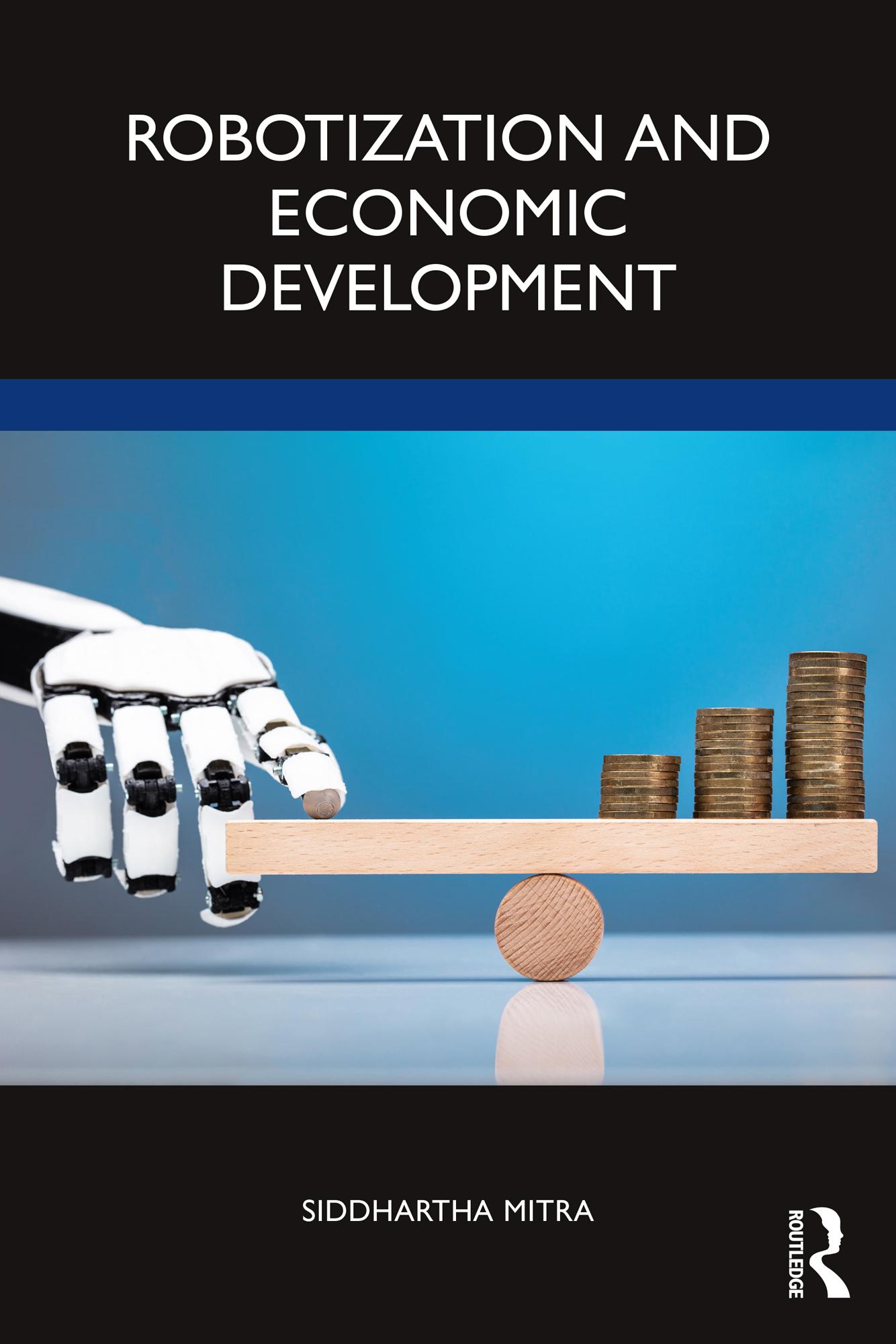
This book critically examines the sweeping impacts of robotization and the use of artificial intelligence on employment, per capita income, quality of life, poverty, and inequality in developing and developed economies.
It analyzes the direct and indirect effects they have had and are projected to have on the labour markets and production processes in the manufacturing, healthcare and agricultural industries among others. The author explores comparisons of human labour with robotic labour emphasizing the changes that new technologies will bring to traditionally labour-intensive industries. Offering various insights into the effectiveness, benefits and negative implications of robotization on the economy, the book provides a comprehensive picture for policymakers to implement changes that embrace new technologies while meeting employment needs and development goals.
Topical and lucid, this book will be an essential read for scholars and researchers of science and technology studies, digital humanities, economics, labour studies, public policy, development studies, political studies and sociology as well as policymakers and others who are interested in these areas.
Betal nemt med kort, Klarna, Apple Pay eller Google Pay. Ikke tilfreds? Du har altid 14 dages fortrydelsesret. Læs mere i vores vilkår. Har du spørgsmål, så send os en mail på hello@memmo.org.
Memmo gør det nemmere at studere – uanset hvor du er i verden. Hos os samler du dine kursusbøger og smarte studieværktøjer ét sted: resuméer, quizzer, podcasts og flashcards. Og så er der Ted, din studieven, der svarer på alt, du undrer dig over. Over 50 000 studerende studerer allerede her – bygget til at hjælpe dig med at lære hurtigere og stresse mindre.