
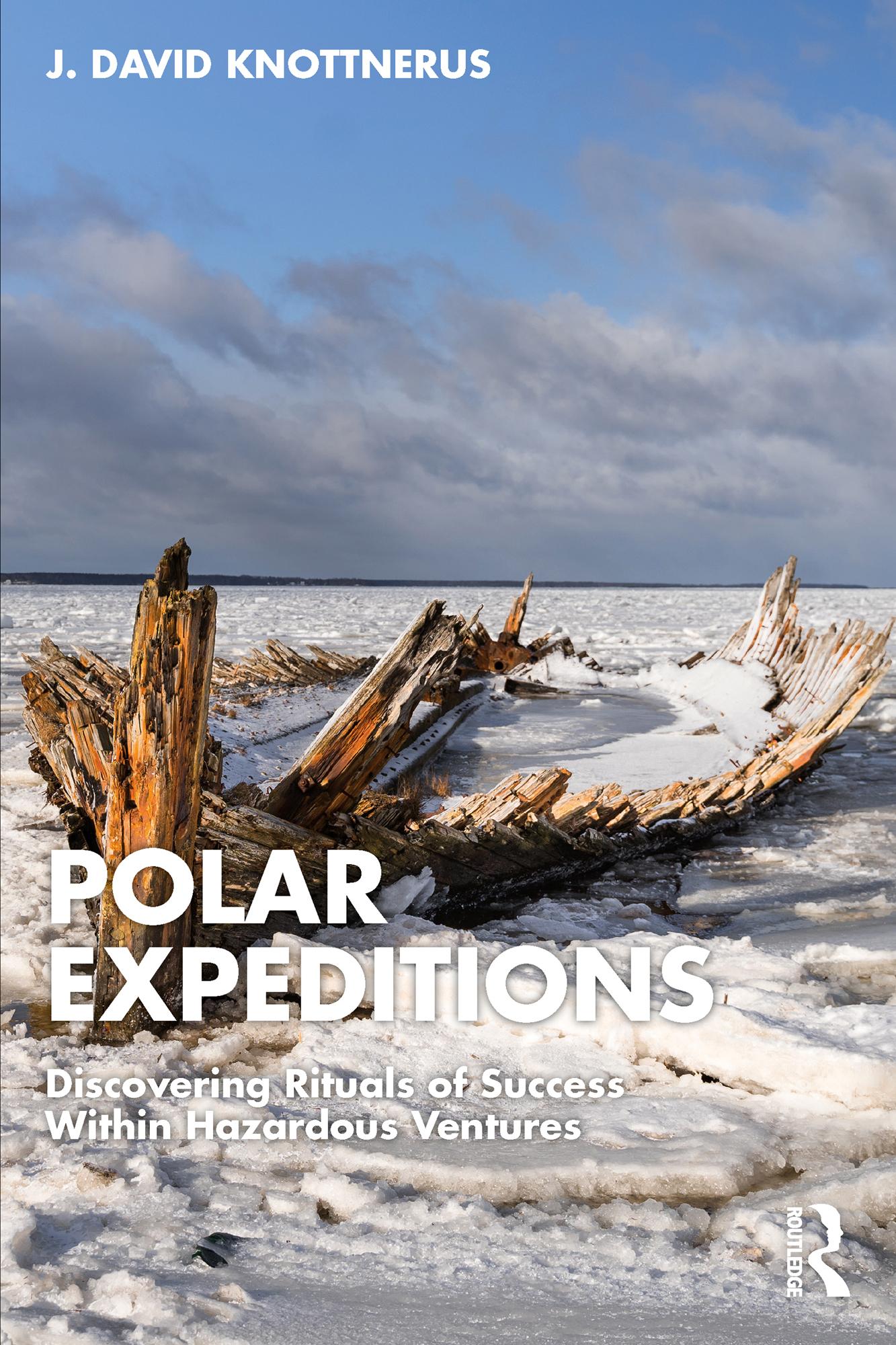
Polar Expeditions employs structural ritualization theory to show how rituals enriched the lives of crewmembers on 19 polar expeditions over a 100-year period. J. David Knottnerus identifies and compares failed, successful, and extremely successful missions in terms of participation in ritual practices and the social psychological health of crews, finding that that social and personal rituals, such as work practices, religious activities, games, birthday parties, special dinners, or taking walks are extremely important in increasing crewmembers' ability to cope with the challenges they face including extreme dangers, isolation, restricted environment, stress, lengthy journeys, and quite importantly the disruption of those practices that define our everyday lives. Besides contributing to our knowledge about polar expeditions, this research yields implications for our understanding of ritual dynamics in other situations such as disasters, refugee camps, nursing homes, traumatic experiences, and a new type of hazardous venture, space exploration.
Betal nemt med kort, Klarna, Apple Pay eller Google Pay. Ikke tilfreds? Du har altid 14 dages fortrydelsesret. Læs mere i vores vilkår. Har du spørgsmål, så send os en mail på hello@memmo.org.
Memmo gør det nemmere at studere – uanset hvor du er i verden. Hos os samler du dine kursusbøger og smarte studieværktøjer ét sted: resuméer, quizzer, podcasts og flashcards. Og så er der Ted, din studieven, der svarer på alt, du undrer dig over. Over 50 000 studerende studerer allerede her – bygget til at hjælpe dig med at lære hurtigere og stresse mindre.