
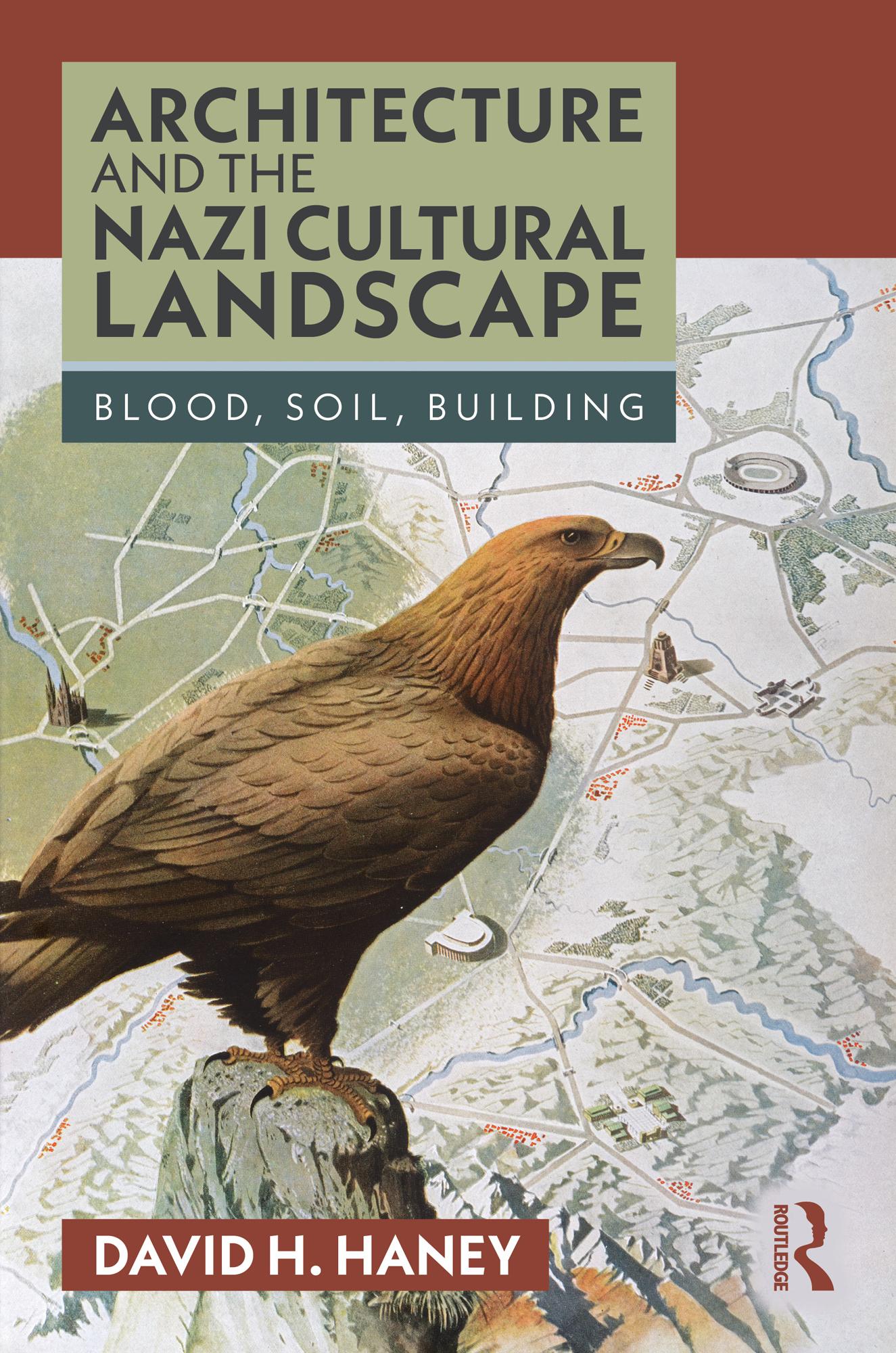
This book traces cultural landscape as the manifestation of the state and national community under the Nazi regime, and how the Nazi era produced what could be referred to as a totalitarian cultural landscape.
For the Nazi regime, cultural landscape was indeed a heritage resource, but it was much more than that: cultural landscape was the nation. The project of Nazi racial purification and cultural renewal demanded the physical reshaping and reconceptualization of the existing environment to create the so-called "new Nazi cultural landscape." One of the most important components of this was a set of monumental sites thought to embody blood and soil beliefs through the harmonious synthesis of architecture and landscape. This special group of "landscape-bound" architectural complexes was interconnected by the new autobahn highway system, itself thought to be a monumental work embedded in nature. Behind this intentionally aestheticized view of the nation as cultural landscape lay the all-pervasive system of deception and violence that characterized the emerging totalitarian state.
This is the first historical study to consider the importance of these monumental sites together with the autobahn as evidence of key Nazi cultural and geographic strategies during the pre-war years. This book concludes by examining racial and nationalistic themes underlying cultural landscape concepts today, against this historic background.
Betal nemt med kort, Klarna, Apple Pay eller Google Pay. Ikke tilfreds? Du har altid 14 dages fortrydelsesret. Læs mere i vores vilkår. Har du spørgsmål, så send os en mail på hello@memmo.org.
Memmo gør det nemmere at studere – uanset hvor du er i verden. Hos os samler du dine kursusbøger og smarte studieværktøjer ét sted: resuméer, quizzer, podcasts og flashcards. Og så er der Ted, din studieven, der svarer på alt, du undrer dig over. Over 50 000 studerende studerer allerede her – bygget til at hjælpe dig med at lære hurtigere og stresse mindre.