
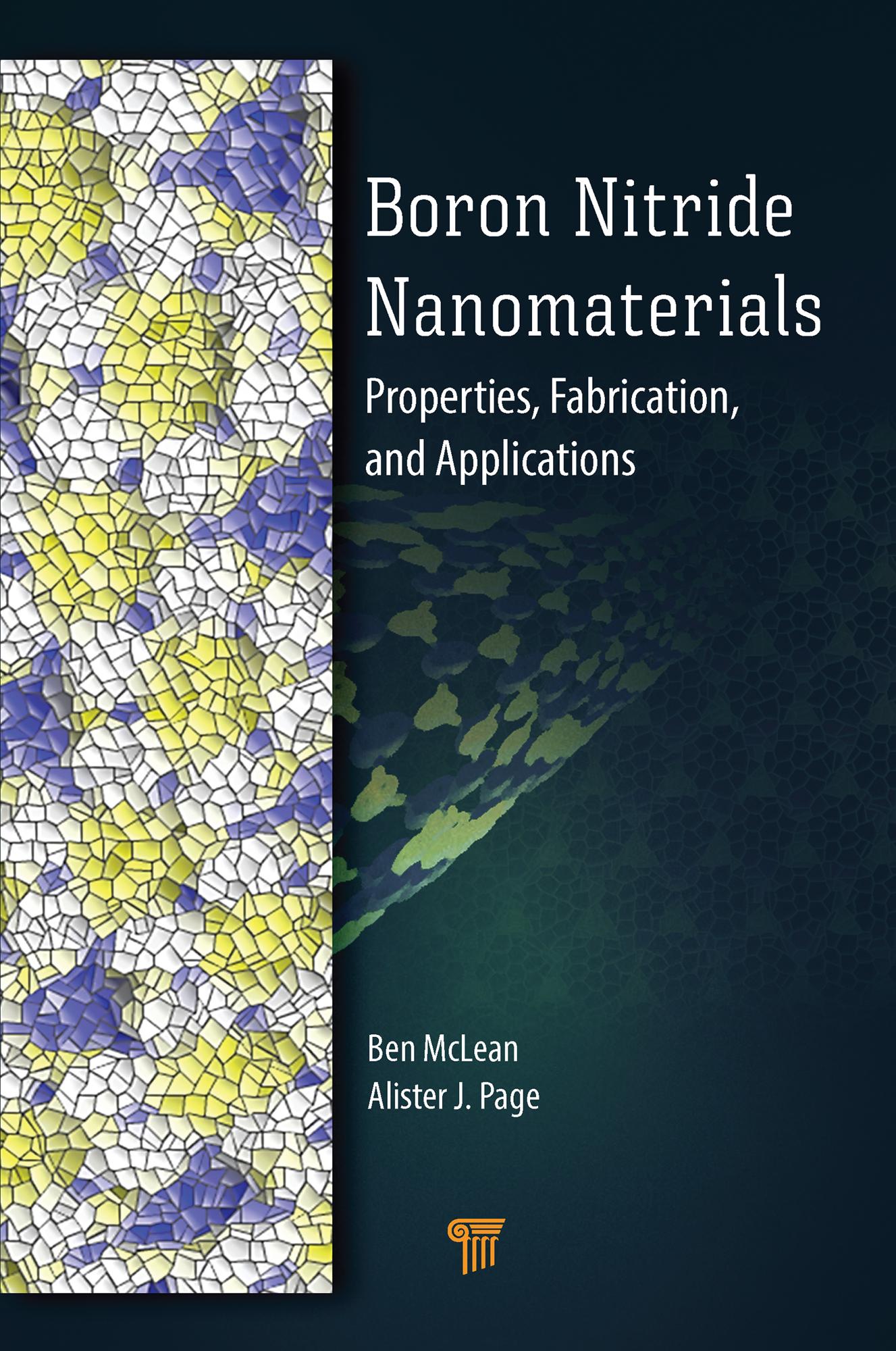
Boron nitride was first produced in the 18th century and, by virtue of its extraordinary mechanical strength, has found extensive application in industrial processes since the 1940s. However, the more recent discovery that boron nitride allotropes are as structurally diverse as those of carbon (e.g. fullerenes, graphene, carbon nanotubes) has placed this material, and particularly its low-dimensional allotropes, back at the forefront of modern material science.
This book provides a comprehensive history of this rapid rise in the status of boron nitride and boron nitride nanomaterials, spanning the earliest examples of three-dimensional boron nitride allotropes, through to contemporary structures such as monolayer hexagonal boron nitride, boron nitride nanomeshes, boron nitride nanotubes and the incorporation of boron nitride into cutting-edge van der Waals heterostructures. It specifically focuses on the properties, applications and synthesis techniques for each of these allotropes and examines how the evolution in boron nitride production methods is linked to that in our understanding of how low-dimensional nanomaterials self-assemble, or ‘grow’, during synthesis. The book demonstrates the key synergy between growth mechanisms and the development of new, advanced nanostructured materials.
Betal nemt med kort, Klarna, Apple Pay eller Google Pay. Ikke tilfreds? Du har altid 14 dages fortrydelsesret. Læs mere i vores vilkår. Har du spørgsmål, så send os en mail på hello@memmo.org.
Memmo gør det nemmere at studere – uanset hvor du er i verden. Hos os samler du dine kursusbøger og smarte studieværktøjer ét sted: resuméer, quizzer, podcasts og flashcards. Og så er der Ted, din studieven, der svarer på alt, du undrer dig over. Over 50 000 studerende studerer allerede her – bygget til at hjælpe dig med at lære hurtigere og stresse mindre.