
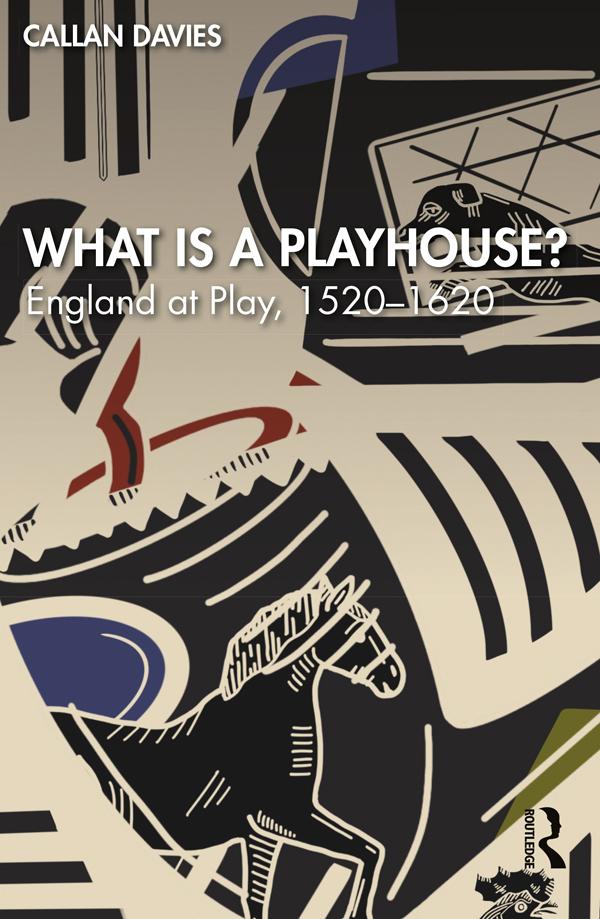
This book offers an accessible introduction to England’s sixteenth- and early seventeenth-century playing industry and a fresh account of the architecture, multiple uses, communities, crowds, and proprietors of playhouses.
It builds on recent scholarship and new documentary and archaeological discoveries to answer the questions: what did playhouses do, what did they look like, and how did they function? The book will accordingly introduce readers to a rich and exciting spectrum of "play" and playhouses, not only in London but also around England. The detailed but wide-ranging case studies examined here go beyond staged drama to explore early modern sport, gambling, music, drinking, and animal baiting; they recover the crucial influence of female playhouse owners and managers; and they recognise rich provincial performance cultures as well as the burgeoning of London’s theatre industry.
This book will have wide appeal with readers across Shakespeare, early modern performance studies, theatre history, and social history.
Betal nemt med kort, Klarna, Apple Pay eller Google Pay. Ikke tilfreds? Du har altid 14 dages fortrydelsesret. Læs mere i vores vilkår. Har du spørgsmål, så send os en mail på hello@memmo.org.
Memmo gør det nemmere at studere – uanset hvor du er i verden. Hos os samler du dine kursusbøger og smarte studieværktøjer ét sted: resuméer, quizzer, podcasts og flashcards. Og så er der Ted, din studieven, der svarer på alt, du undrer dig over. Over 50 000 studerende studerer allerede her – bygget til at hjælpe dig med at lære hurtigere og stresse mindre.