
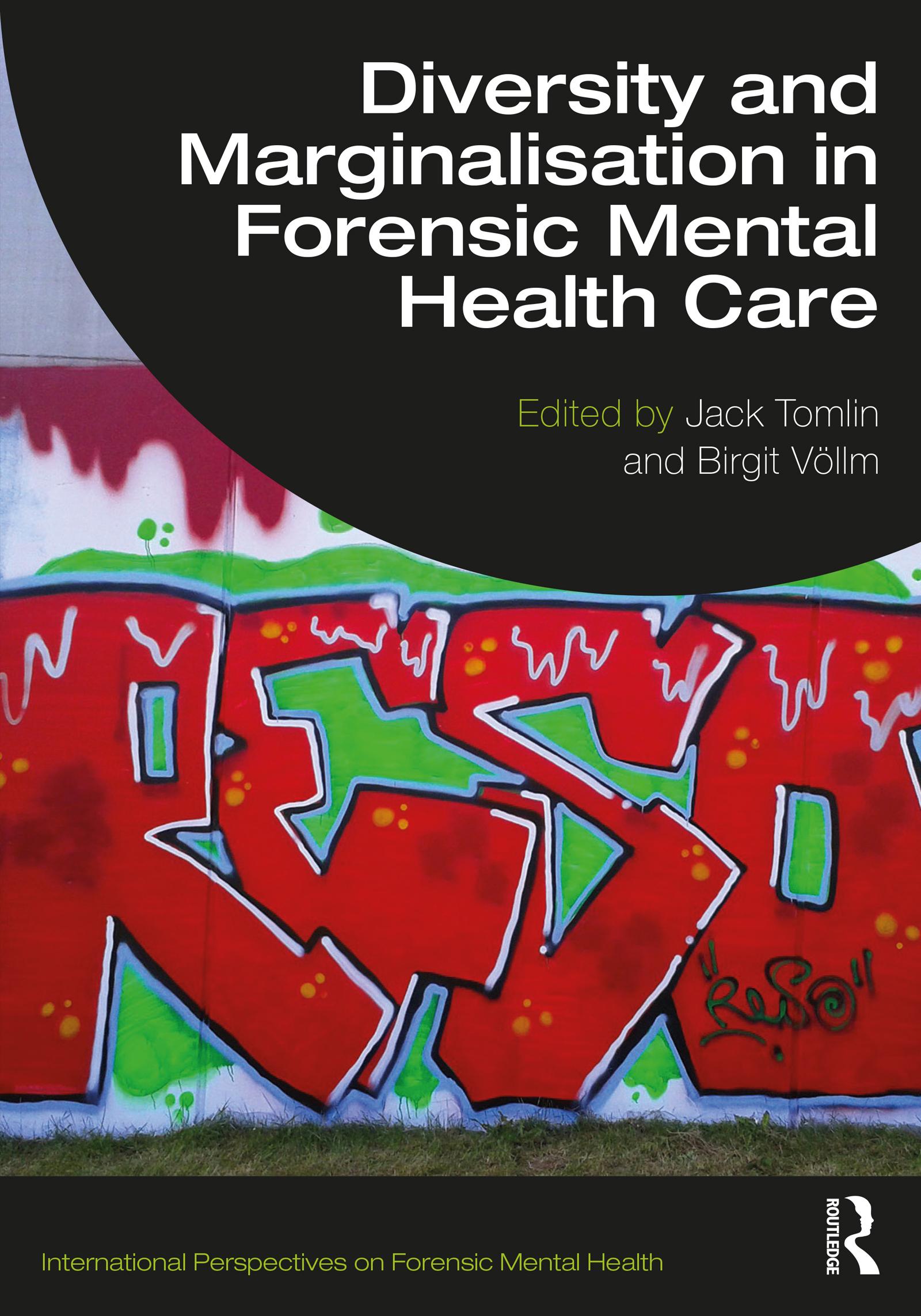
This book explores the ways in which diversity and experiences of marginalisation are present in forensic mental health care settings around the globe and suggests ways of moving forward.
Forensic mental health services provide care for a group of patients who are marginalised in several respects. Many have experienced childhood adversity and abuse, substance use, serious and chronic mental disorders, poor healthcare education or treatment, inadequate educational opportunities, social isolation, and pervasive forms of stigmatization. On top of these individual experiences of marginalisation, wide diversity exists across patients’ socio-demographic, cultural, and clinical characteristics. Chapters in this book discuss these crucial and often sensitive problems, such as working with transgender prisoners, the impact of incarceration for children from non-white backgrounds, cultural and linguistic diversity in forensic settings, and more.
Combining global perspectives, current evidence and case studies, this book will be of interest to patients, carers, practitioners, researchers, and students of forensic mental health.
Betal nemt med kort, Klarna, Apple Pay eller Google Pay. Ikke tilfreds? Du har altid 14 dages fortrydelsesret. Læs mere i vores vilkår. Har du spørgsmål, så send os en mail på hello@memmo.org.
Memmo gør det nemmere at studere – uanset hvor du er i verden. Hos os samler du dine kursusbøger og smarte studieværktøjer ét sted: resuméer, quizzer, podcasts og flashcards. Og så er der Ted, din studieven, der svarer på alt, du undrer dig over. Over 50 000 studerende studerer allerede her – bygget til at hjælpe dig med at lære hurtigere og stresse mindre.