
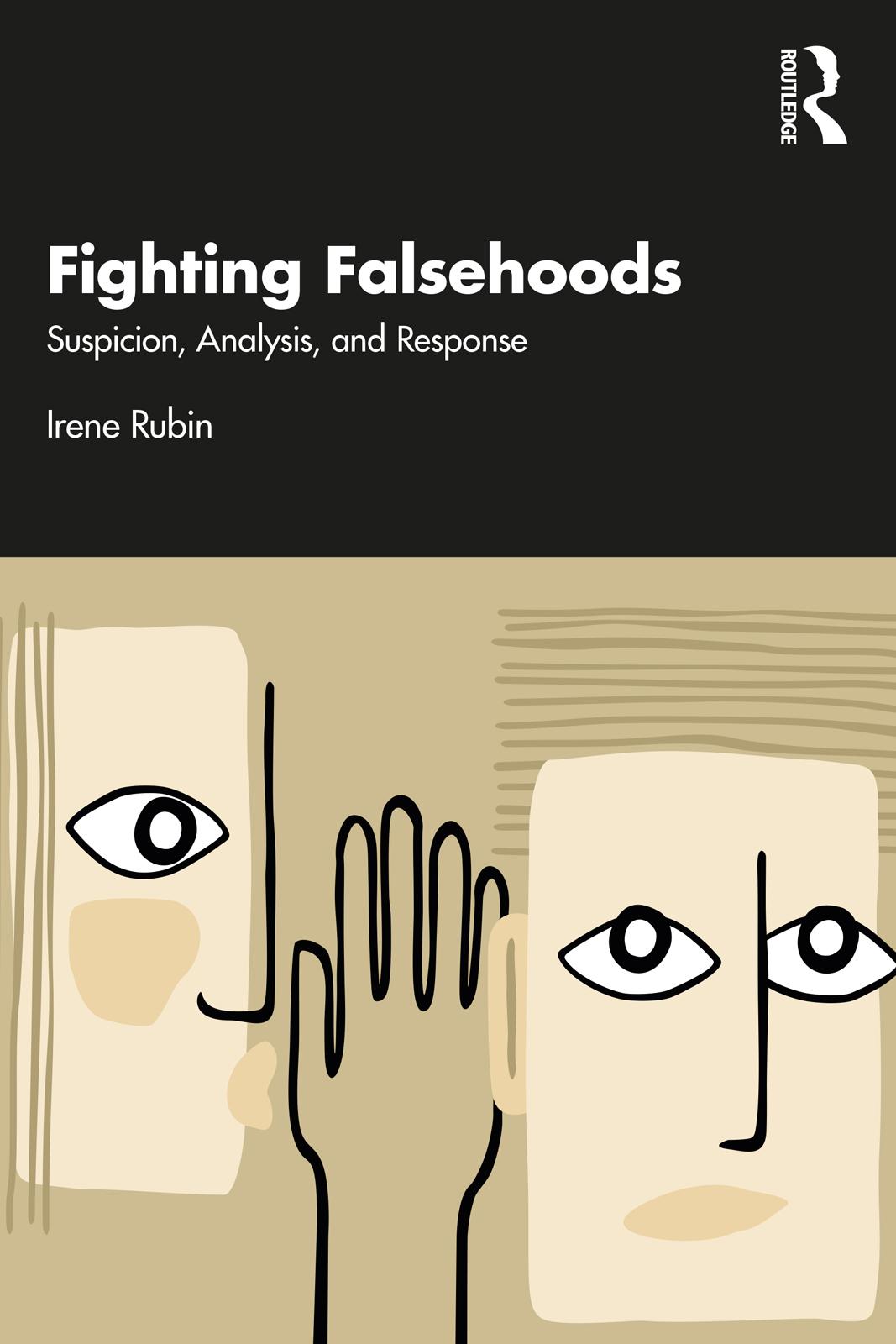
This book offers the reader tools to recognize, analyze, and fight back against the fake news, misinformation, and disinformation that come at us from every corner.
This volume:
- Uses real, lively examples to help readers detect fake news, false claims, suspicious information/data, biased reporting, and hate speech;
- Demonstrates through case studies where to look for information, what to look for, how to analyze the logic/illogic involved, and uncover the truth value of a story;
- Discusses fact-checking sites, what they examine, and their reliability;
- Provides examples and analyzes the components, purposes, and consequences of conspiracy theories;
- Illustrates the tricks of using numbers/data to mislead readers;
- Explains what to look for to help decide whether to believe the conclusions of stories based on surveys;
- Offers a range of concrete, effective responses to dangerous, exaggerated, distorted, and false narratives;
- Examines policy responses to fake news, disinformation, and misinformation across the world.
A key manual to negotiate the information age, this book will be essential reading for students, scholars, and professionals of journalism and mass communication, public policy, politics, and the social sciences. It will also be an indispensable handbook for the lay reader.
Betal nemt med kort, Klarna, Apple Pay eller Google Pay. Ikke tilfreds? Du har altid 14 dages fortrydelsesret. Læs mere i vores vilkår. Har du spørgsmål, så send os en mail på hello@memmo.org.
Memmo gør det nemmere at studere – uanset hvor du er i verden. Hos os samler du dine kursusbøger og smarte studieværktøjer ét sted: resuméer, quizzer, podcasts og flashcards. Og så er der Ted, din studieven, der svarer på alt, du undrer dig over. Over 50 000 studerende studerer allerede her – bygget til at hjælpe dig med at lære hurtigere og stresse mindre.