
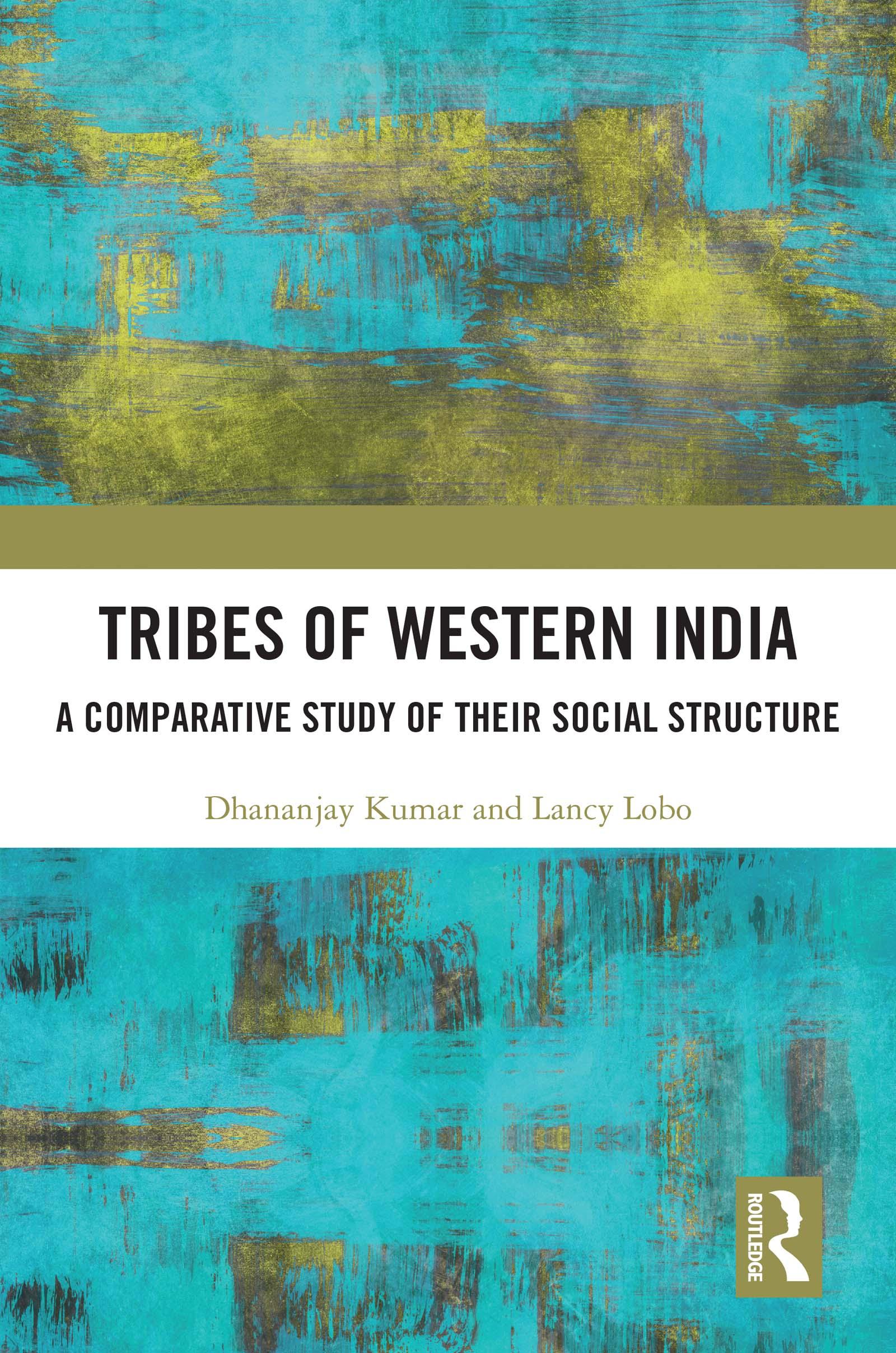
India has two key social formations, the castes and the tribes. Both groups can be studied from the perspective of society (samaj) and culture (sanskriti). However, studies on castes largely deal with social structure and less on culture, while studies on tribes focus more on culture than on social structure. What has resulted from this bias is a general misunderstanding that tribes have a rich culture but lack social structure.
This volume emerges out of an in-depth empirical study of the social structure of five Scheduled Tribes (STs) in Gujarat, western India, viz., Gamit, Vasava, Chaudhari, Kukana and Warli. It analyses and compares their internal social organisation consisting of institutions of household, family, lineage, clan, kinship rules and marriage networks. The book also deals with changes taking place in the social structure of contemporary tribal societies. While the focus is mainly on the data from tribes of western India, the issues are relevant to pan-Indian tribes.
An important contribution to the studies on tribes of India, this book will be of great interest to students and researchers of anthropology, sociology, demography, history, tribal studies, social work, public policy and law. It will also be of interest to professionals working with NGOs and civil society, programme and policy formulating authorities and bureaucrats.
Betal nemt med kort, Klarna, Apple Pay eller Google Pay. Ikke tilfreds? Du har altid 14 dages fortrydelsesret. Læs mere i vores vilkår. Har du spørgsmål, så send os en mail på hello@memmo.org.
Memmo gør det nemmere at studere – uanset hvor du er i verden. Hos os samler du dine kursusbøger og smarte studieværktøjer ét sted: resuméer, quizzer, podcasts og flashcards. Og så er der Ted, din studieven, der svarer på alt, du undrer dig over. Over 50 000 studerende studerer allerede her – bygget til at hjælpe dig med at lære hurtigere og stresse mindre.