
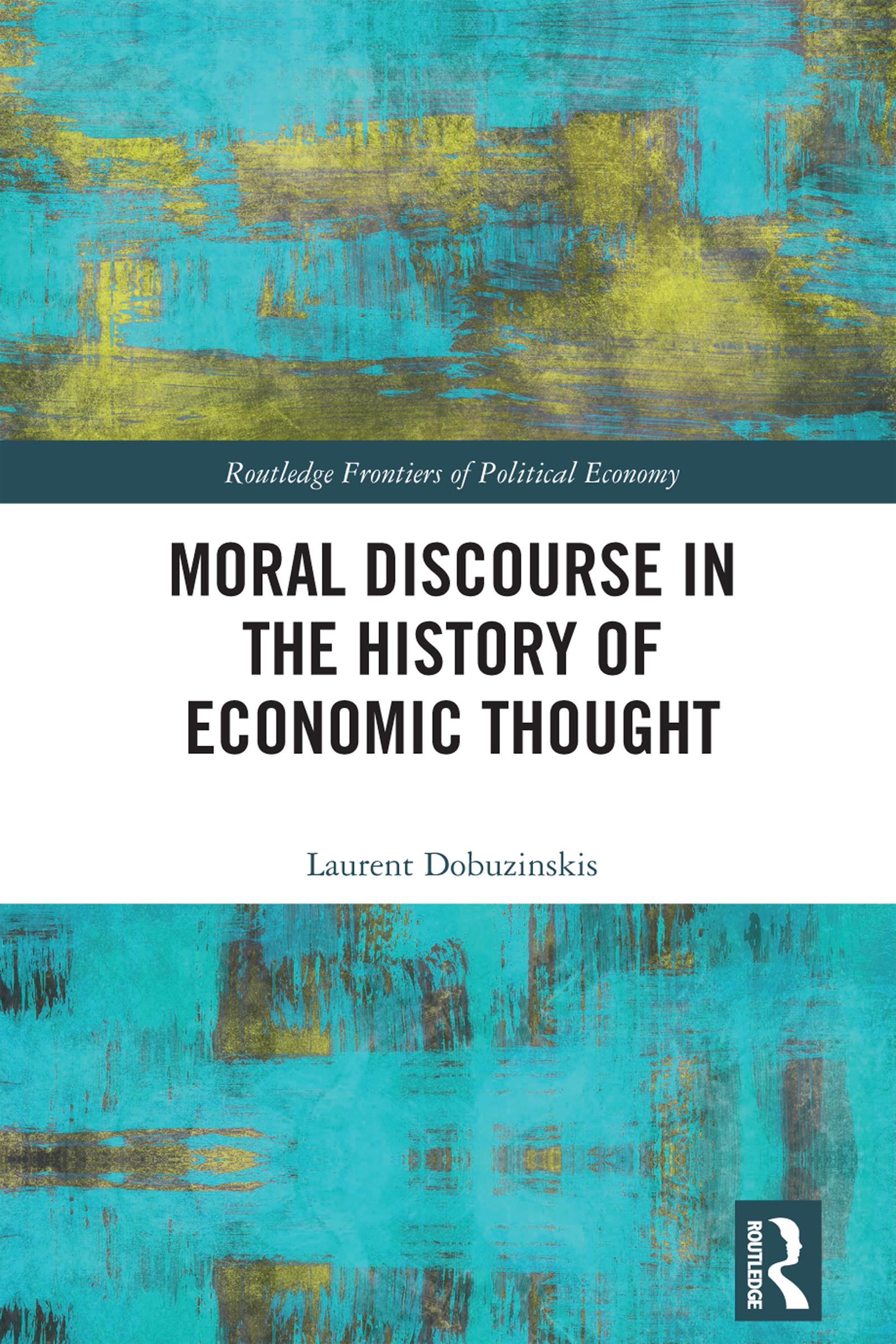
Providing an account of the development of economic thought, this book explores the extent to which economic ideas are rooted in moral values.
Adopting an approach rooted in ‘pragmatism’, the work explores key questions which have been considered by economists since the classical political economists. These include: what degree of priority ought to be granted to property rights among all individual liberties; whether uncertainties in economic life justify investing political authorities with the power to stabilize business cycles; whether it is better to trust entrepreneurial initiatives to resolve societal dilemmas or to centralize policy-making in the hands of a benevolent government. The chapters argue that economic thought has evolved from an emphasis on "sympathy" (as defined by Adam Smith) and that there has more recently been a rediscovery of the significance of sympathy reinvented as "fair reciprocity" in the wake of the emergence of behavioural economics and its connection to evolutionary psychology.
This key book is of great interest to readers in the history of ideas, political and moral philosophy, and political economy.
Betal nemt med kort, Klarna, Apple Pay eller Google Pay. Ikke tilfreds? Du har altid 14 dages fortrydelsesret. Læs mere i vores vilkår. Har du spørgsmål, så send os en mail på hello@memmo.org.
Memmo gør det nemmere at studere – uanset hvor du er i verden. Hos os samler du dine kursusbøger og smarte studieværktøjer ét sted: resuméer, quizzer, podcasts og flashcards. Og så er der Ted, din studieven, der svarer på alt, du undrer dig over. Over 50 000 studerende studerer allerede her – bygget til at hjælpe dig med at lære hurtigere og stresse mindre.