
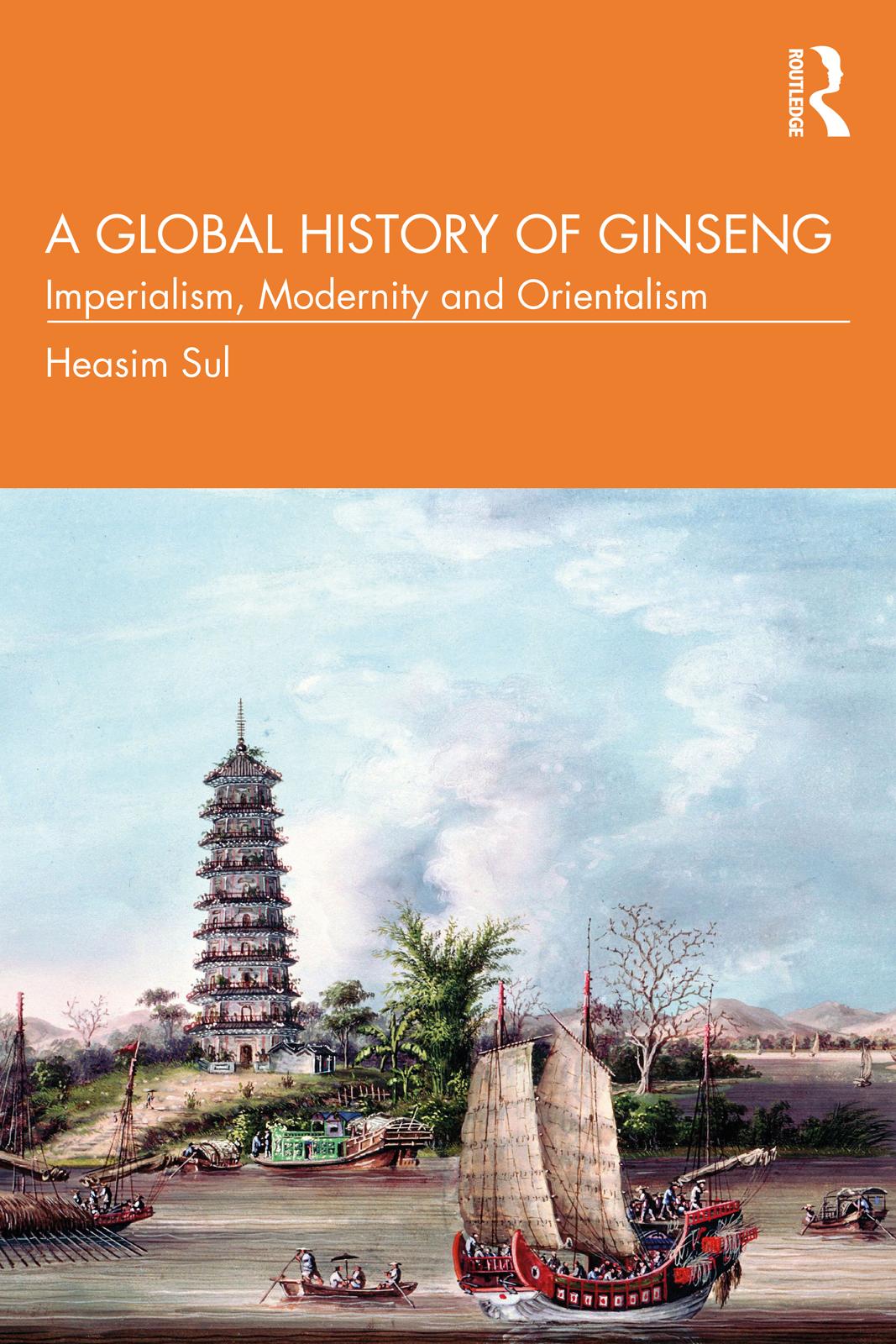
Sul’s history of the international ginseng trade reveals the cultural aspects of international capitalism and the impact of this single commodity on relations between the East and the West.
Ginseng emerged as a major international commodity in the seventeenth century, when the East India Company began trading it westward. Europeans were drawn to the plant’s efficacy as a medicine, but their attempts to transplant it for mass production were unsuccessful. Also, due to a failure of extracting its active ingredients, Western pharmacology disparaged ginseng in the process of modernization. In the meantime, ginseng was discovered on the American continent and became one of the United States’ key exports to Asia and particularly China, but never cultivated a significant domestic market. As such, historicizing the ginseng trade provides a unique perspective on the impact of both culture and economics on international trade.
A compelling interdisciplinary history of over five centuries of East–West trade and cultural exchange, this book will be invaluable to students and scholars of transnational history and a fascinating read for anyone interested in the history of international trade.
Betal nemt med kort, Klarna, Apple Pay eller Google Pay. Ikke tilfreds? Du har altid 14 dages fortrydelsesret. Læs mere i vores vilkår. Har du spørgsmål, så send os en mail på hello@memmo.org.
Memmo gør det nemmere at studere – uanset hvor du er i verden. Hos os samler du dine kursusbøger og smarte studieværktøjer ét sted: resuméer, quizzer, podcasts og flashcards. Og så er der Ted, din studieven, der svarer på alt, du undrer dig over. Over 50 000 studerende studerer allerede her – bygget til at hjælpe dig med at lære hurtigere og stresse mindre.