
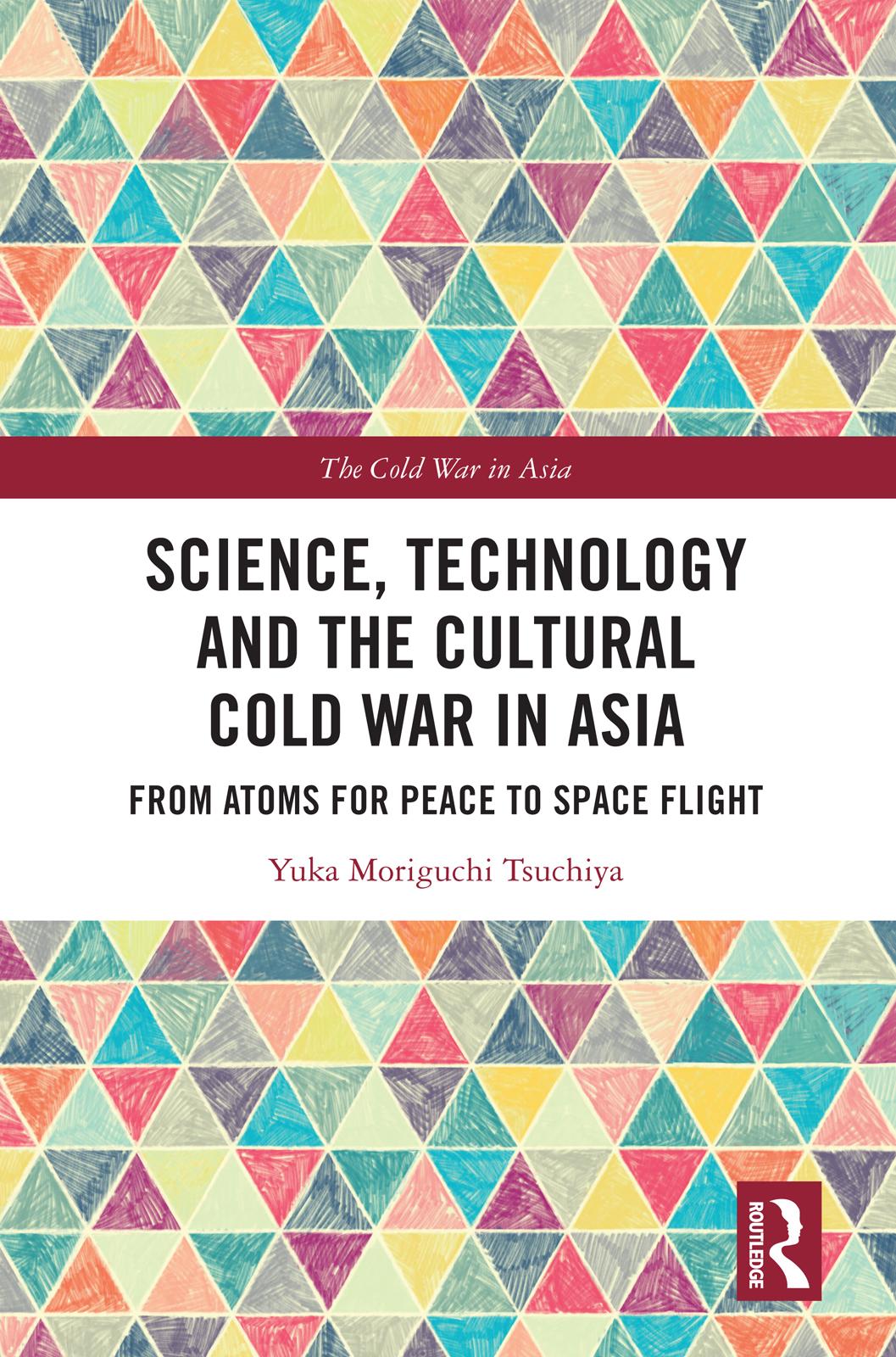
Tsuchiya presents a new insight into the political roles of science and technology during the Cold War era in Asia.
The Cold War was not only a battle of conflicting ideologies and economic systems, but also a competition of cultures and lifestyles, and a battle to win the hearts and minds of people in developing countries. Tsuchiya argues that science and technology were an integral part of how culture was deployed strategically. She discusses the 1950s and early 1960s: the Eisenhower and Kennedy presidencies in the U.S., and the decolonization and nation-building efforts in Japan, South Vietnam, Burma, and Indonesia. She also sheds light on the way U.S. technological aid programs such as Foreign Atoms for Peace, and the overseas information program were received by Asian leaders, technocrats, and scientists.
Provides valuable insight for scholars of Cold War History in Asia and US Foreign Policy.
Betal nemt med kort, Klarna, Apple Pay eller Google Pay. Ikke tilfreds? Du har altid 14 dages fortrydelsesret. Læs mere i vores vilkår. Har du spørgsmål, så send os en mail på hello@memmo.org.
Memmo gør det nemmere at studere – uanset hvor du er i verden. Hos os samler du dine kursusbøger og smarte studieværktøjer ét sted: resuméer, quizzer, podcasts og flashcards. Og så er der Ted, din studieven, der svarer på alt, du undrer dig over. Over 50 000 studerende studerer allerede her – bygget til at hjælpe dig med at lære hurtigere og stresse mindre.