
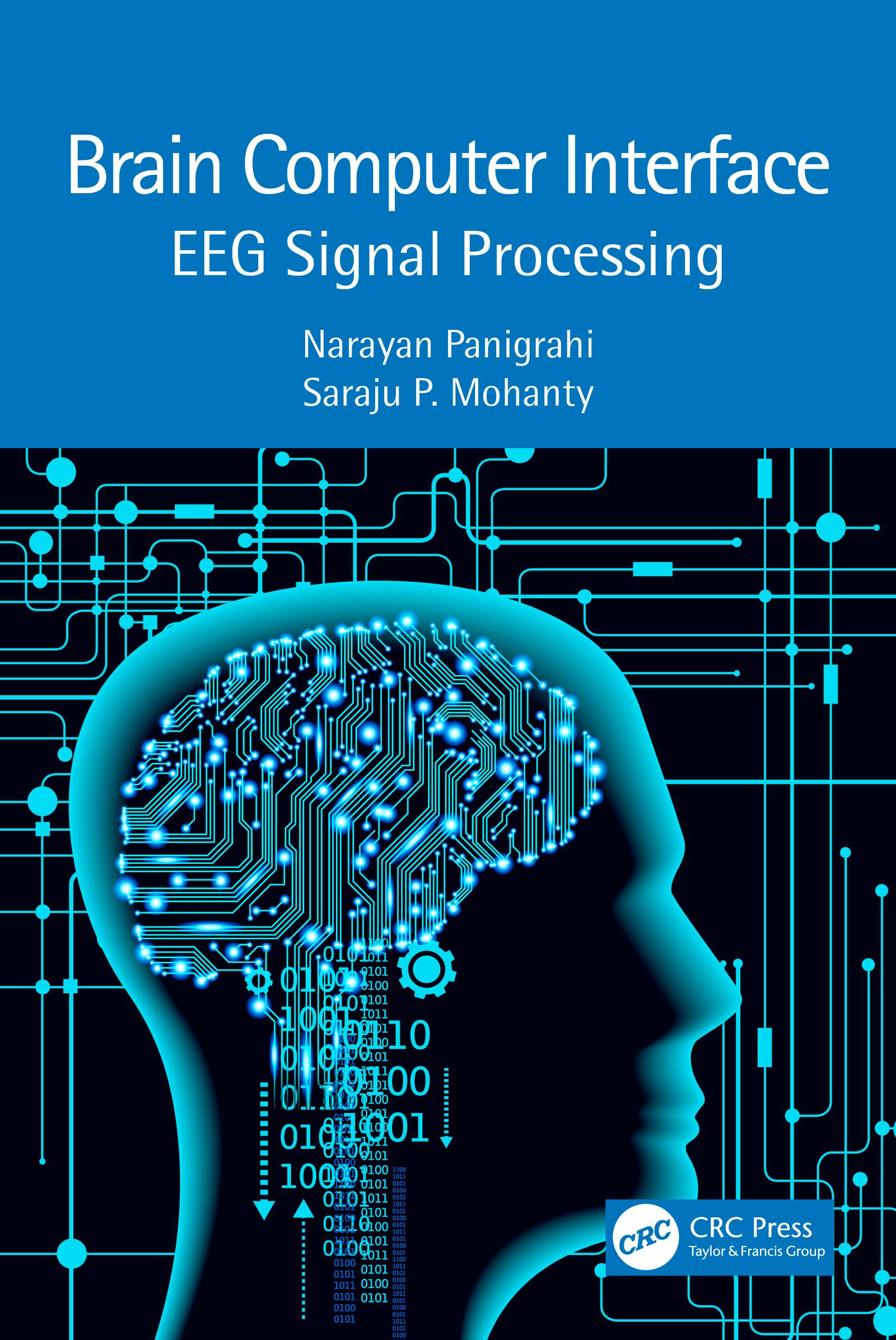
Brain Computer Interface: EEG Signal Processing discusses electroencephalogram (EEG) signal processing using effective methodology and algorithms. This book provides a basic introduction to EEG and a classification of different components present in EEG. It also helps the reader to understand the scope of processing EEG signals and their associated applications. Further, it covers specific aspects such as epilepsy detection; exploitation of P300 for various applications; design of an EEG acquisition system; and detection of saccade, fix, and blink from EEG and EOG data.
Key Features:
- Explains the basis of brain computer interface and how it can be established using different EEG signal characteristics
- Covers the detailed classification of different types of EEG signals with respect to their physical characteristics
- Explains detection and diagnosis of epileptic seizures from the EEG data of a subject
- Reviews the design and development of a low-cost and robust EEG acquisition system
- Provides mathematical analysis of EEGs, including MATLAB® codes for students to experiment with EEG data
This book is aimed at graduate students and researchers in biomedical, electrical, electronics, communication engineering, healthcare, and cyber physical systems.
Betal nemt med kort, Klarna, Apple Pay eller Google Pay. Ikke tilfreds? Du har altid 14 dages fortrydelsesret. Læs mere i vores vilkår. Har du spørgsmål, så send os en mail på hello@memmo.org.
Memmo gør det nemmere at studere – uanset hvor du er i verden. Hos os samler du dine kursusbøger og smarte studieværktøjer ét sted: resuméer, quizzer, podcasts og flashcards. Og så er der Ted, din studieven, der svarer på alt, du undrer dig over. Over 50 000 studerende studerer allerede her – bygget til at hjælpe dig med at lære hurtigere og stresse mindre.