
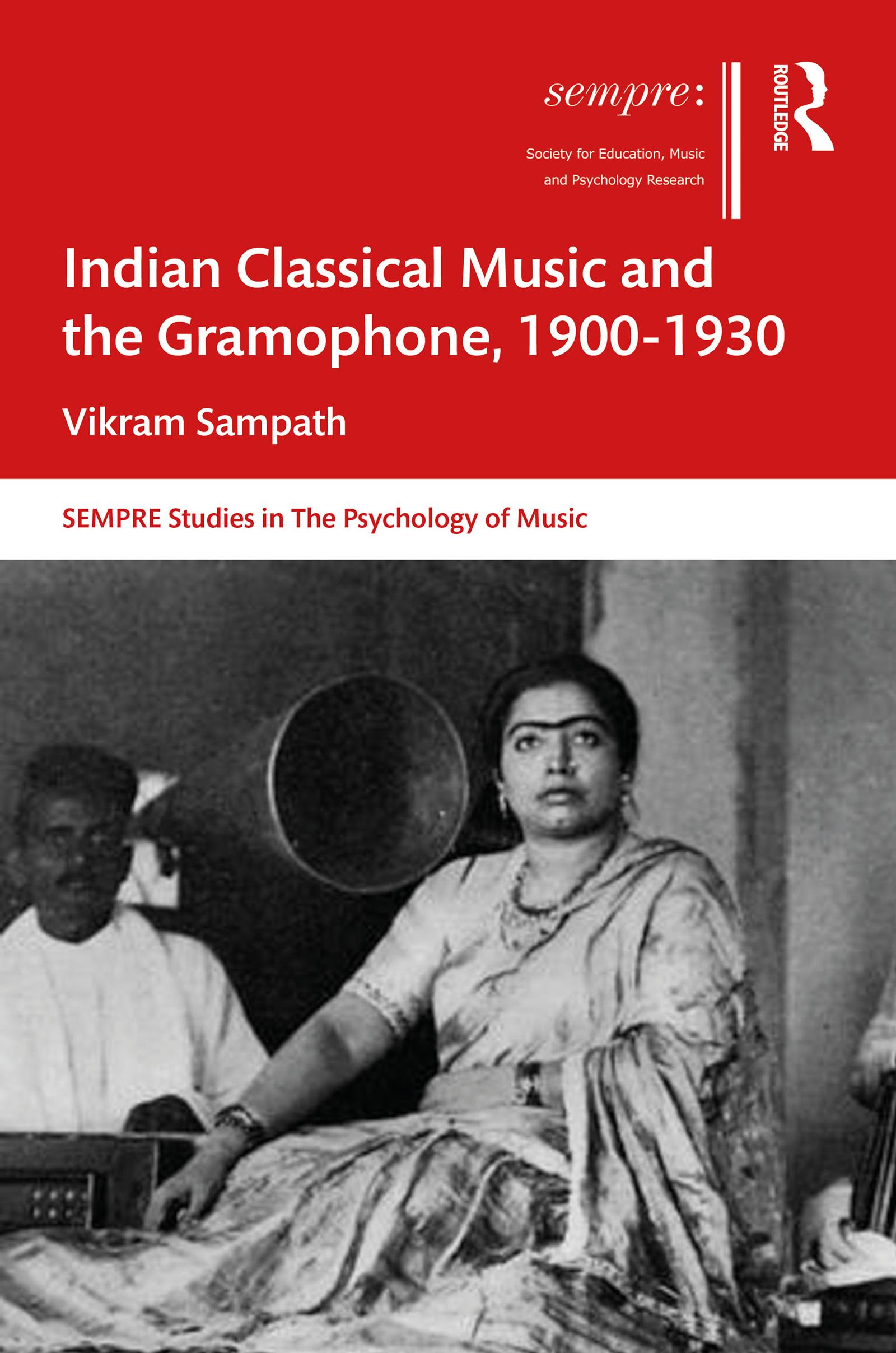
In 1902 The Gramophone Company in London sent out recording experts on "expeditions" across the world to record voices from different cultures and backgrounds. All over India, it was women who embraced the challenge of overcoming numerous social taboos and aesthetic handicaps that came along with this nascent technology. Women who took the plunge and recorded largely belonged to the courtesan community, called tawaifs and devadasis, in North and South India, respectively. Recording brought with it great fame, brand recognition, freedom from exploitative patrons, and monetary benefits to the women singers. They were to become pioneers of the music industry in the Indian sub-continent. However, despite the pioneering role played by these women, their stories have largely been forgotten. Contemporaneous with the courtesan women adapting to recording technology was the anti-nautch campaign that sought to abolish these women from the performing space and brand them as common prostitutes. A vigorous renaissance and arts revival movement followed, leading to the creation of a new classical paradigm in both North Indian (Hindustani) and South Indian (Carnatic) classical music. This resulted in the standardization, universalization, and institutionalization of Indian classical music. This newly created classical paradigm impacted future recordings of The Gramophone Company in terms of a shift in genres and styles. Vikram Sampath sheds light on the role and impact of The Gramophone Company’s early recording expeditions on Indian classical music by examining the phenomenon through a sociocultural, historical and musical lens. The book features the indefatigable stories of the women and their experiences in adapting to recording technology. The artists from across India featured are: Gauhar Jaan of Calcutta, Janki Bai of Allahabad, Zohra Bai of Agra, Malka Jaan of Agra, Salem Godavari, Bangalore Nagarathnamma, Coimbatore Thayi, Dhanakoti of Kanchipuram, Bai Sundarabai of Pune, and Husna Jaan of Banaras.
Betal nemt med kort, Klarna, Apple Pay eller Google Pay. Ikke tilfreds? Du har altid 14 dages fortrydelsesret. Læs mere i vores vilkår. Har du spørgsmål, så send os en mail på hello@memmo.org.
Memmo gør det nemmere at studere – uanset hvor du er i verden. Hos os samler du dine kursusbøger og smarte studieværktøjer ét sted: resuméer, quizzer, podcasts og flashcards. Og så er der Ted, din studieven, der svarer på alt, du undrer dig over. Over 50 000 studerende studerer allerede her – bygget til at hjælpe dig med at lære hurtigere og stresse mindre.