
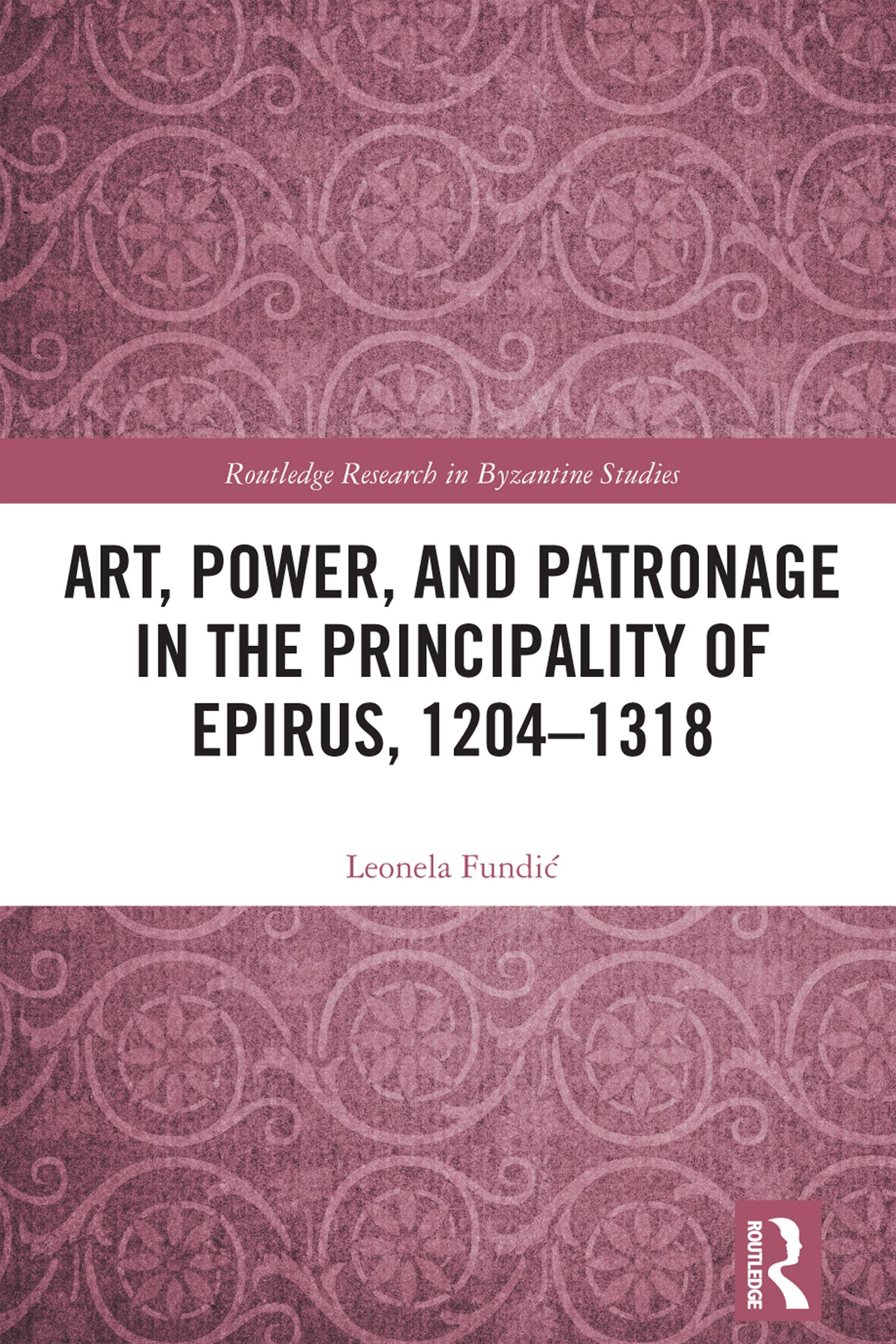
The Principality of Epirus was a medieval Greek state established in the western part of the Balkans after the fall of Constantinople to the forces of the Fourth Crusade in 1204. The Epirote rulers from the Komnenos Doukas family claimed to be legitimate successors to the Byzantine imperial throne and, with the support of the high clergy and the aristocracy within their domain, carefully maintained their Byzantine identity under the conditions of exile. This book explores a corpus of Epirote architecture, frescoes, sculpture, and inscriptions from the early thirteenth to the early fourteenth century within a comparative and interdisciplinary framework, focusing on the nexus of art, patronage, and political ideology. Through an examination of a vast array of visual and textual sources, many of them understudied or hitherto unpublished, the book uncovers how the Epirote elite mobilised art and material culture to address the issues of succession and legitimacy, construct memory, reclaim Constantinople, and mediate encounters and exchanges with the Latin West. In doing so, this study offers a new perspective on Byzantine political and cultural history in the aftermath of the Fourth Crusade.
Betal nemt med kort, Klarna, Apple Pay eller Google Pay. Ikke tilfreds? Du har altid 14 dages fortrydelsesret. Læs mere i vores vilkår. Har du spørgsmål, så send os en mail på hello@memmo.org.
Memmo gør det nemmere at studere – uanset hvor du er i verden. Hos os samler du dine kursusbøger og smarte studieværktøjer ét sted: resuméer, quizzer, podcasts og flashcards. Og så er der Ted, din studieven, der svarer på alt, du undrer dig over. Over 50 000 studerende studerer allerede her – bygget til at hjælpe dig med at lære hurtigere og stresse mindre.