
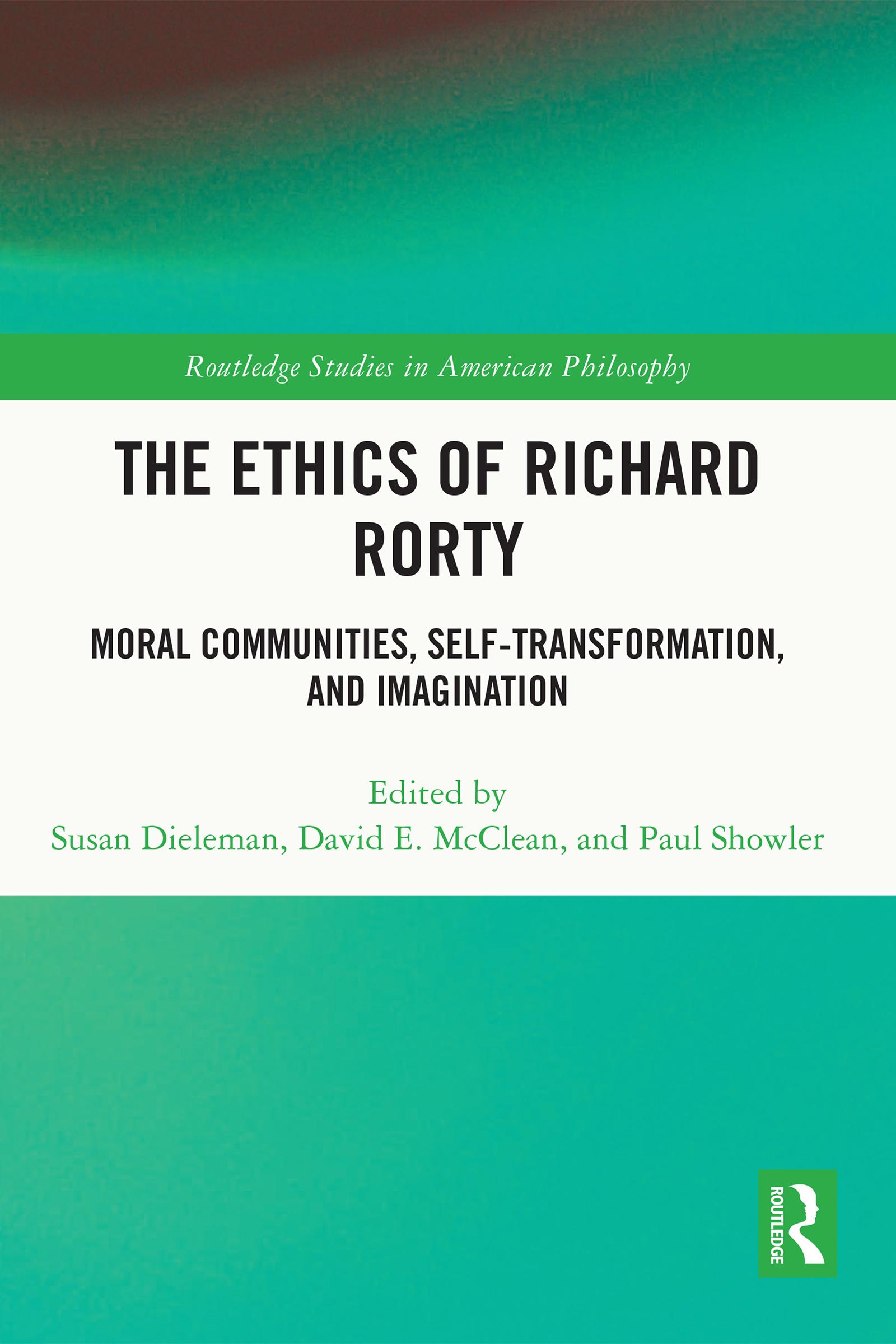
This book contains diverse and critical reflections on Richard Rorty’s contributions to ethics, an aspect of his thought that has been relatively neglected. Together, they demonstrate that Rorty offers a compelling and coherent ethical vision. The book's chapters, grouped thematically, explore Rorty’s emphasis on the importance of moral imagination, social relations, language, and literature as instrumental for ethical self-transformation, as well as for strengthening what Rorty called "social hope," which entails constant work toward a more democratic, inclusive, and cosmopolitan society and world.
Several contributors address the ethical implications of Rorty’s commitment to a vision of political liberalism without philosophical foundations. Others offer critical examinations of Rorty’s claim that our private or individual projects of self-creation can or should be held apart from our public goals of ameliorating social conditions and reducing cruelty and suffering. Some contributors explore hurdles that impede the practical applications of certain of Rorty's ideas.
The Ethics of Richard Rorty will appeal to scholars and advanced students interested in American philosophy and ethics.
Betal nemt med kort, Klarna, Apple Pay eller Google Pay. Ikke tilfreds? Du har altid 14 dages fortrydelsesret. Læs mere i vores vilkår. Har du spørgsmål, så send os en mail på hello@memmo.org.
Memmo gør det nemmere at studere – uanset hvor du er i verden. Hos os samler du dine kursusbøger og smarte studieværktøjer ét sted: resuméer, quizzer, podcasts og flashcards. Og så er der Ted, din studieven, der svarer på alt, du undrer dig over. Over 50 000 studerende studerer allerede her – bygget til at hjælpe dig med at lære hurtigere og stresse mindre.