
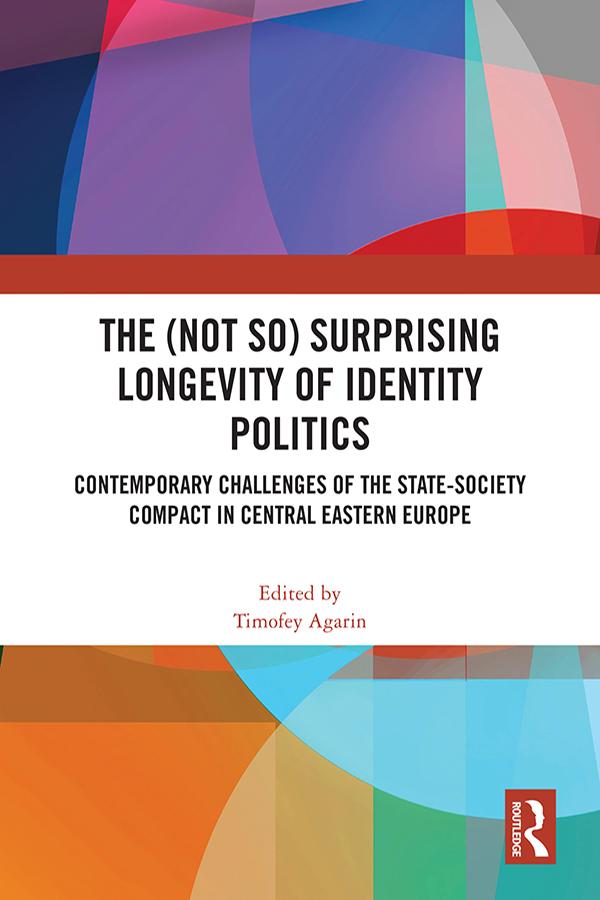
This book assesses the underpinning role ‘references to identity’ played and continue to play as the powerful mobilising force in domestic politics across the East European region stretching from Estonia to Bulgaria.
The EU membership of postcommunist states was to ensure stability, prevent conflict and eventually guarantee equality of all citizens regardless of their political preferences or ethnic identities. However, the promotion of such norms and values has been secondary to consolidation of state institutions and the societies they serve around ethnocentric narratives of states’ core ethnic groups. The sequel of financial, then ‘refugee’ crises has further dented the appeal of the EU’s norms across the region. Even the rhetoric commitment to respect cultural diversity and human rights has been promptly replaced with references to identity and interests of politically relevant groups. Yet, nativist and populist rhetoric has been the staple of politics since before the EU accession.
The chapters in this edited volume zoom in on politics which forge and live-off their societies’ preoccupation with ethnocentric narratives, vesting national identity with persistent relevance and considerable weight across the postcommunist region.
The chapters in this book were originally published in the journal, East European Politics.
Betal nemt med kort, Klarna, Apple Pay eller Google Pay. Ikke tilfreds? Du har altid 14 dages fortrydelsesret. Læs mere i vores vilkår. Har du spørgsmål, så send os en mail på hello@memmo.org.
Memmo gør det nemmere at studere – uanset hvor du er i verden. Hos os samler du dine kursusbøger og smarte studieværktøjer ét sted: resuméer, quizzer, podcasts og flashcards. Og så er der Ted, din studieven, der svarer på alt, du undrer dig over. Over 50 000 studerende studerer allerede her – bygget til at hjælpe dig med at lære hurtigere og stresse mindre.