
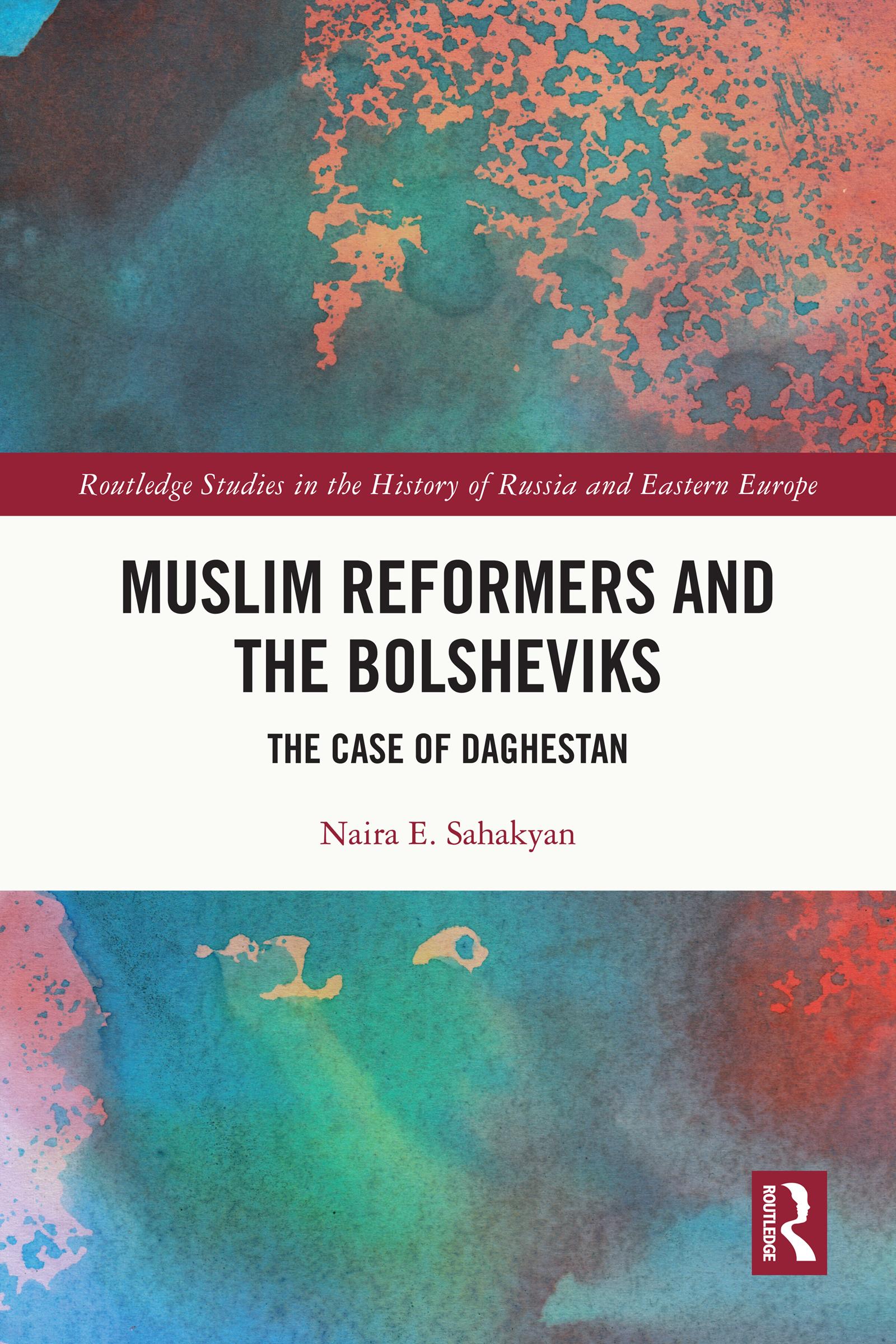
This book explores how the Muslim scholars of Daghestan, an important Muslim region within Russia, experienced the 1917 Russian Revolution and how they attempted to gain religious and political authority in the new post-imperial environment. Covering the period between the February Revolution and the first massive repressions of the scholars of Islam, it provides new insights into the complexities of the relations between Muslim reformers and Bolsheviks. It challenges the prevailing view in Western scholarship that the relationship was antagonistic, revealing that relations were pragmatic rather than ideological. It argues that there was cooperation on issues of modern education and language policy, and alliances against assumed common threats, such as the British, Wahhābis and local Ṣūfīs, along with disagreements related to the Bolsheviks’ atheism and their concept of class struggle. Overall, it demonstrates that the Islamic reformist discourse in Daghestan, although influenced by the wider Islamic debate at the turn of the twentieth century, was an integral part of Soviet modernity.
Betal nemt med kort, Klarna, Apple Pay eller Google Pay. Ikke tilfreds? Du har altid 14 dages fortrydelsesret. Læs mere i vores vilkår. Har du spørgsmål, så send os en mail på hello@memmo.org.
Memmo gør det nemmere at studere – uanset hvor du er i verden. Hos os samler du dine kursusbøger og smarte studieværktøjer ét sted: resuméer, quizzer, podcasts og flashcards. Og så er der Ted, din studieven, der svarer på alt, du undrer dig over. Over 50 000 studerende studerer allerede her – bygget til at hjælpe dig med at lære hurtigere og stresse mindre.