
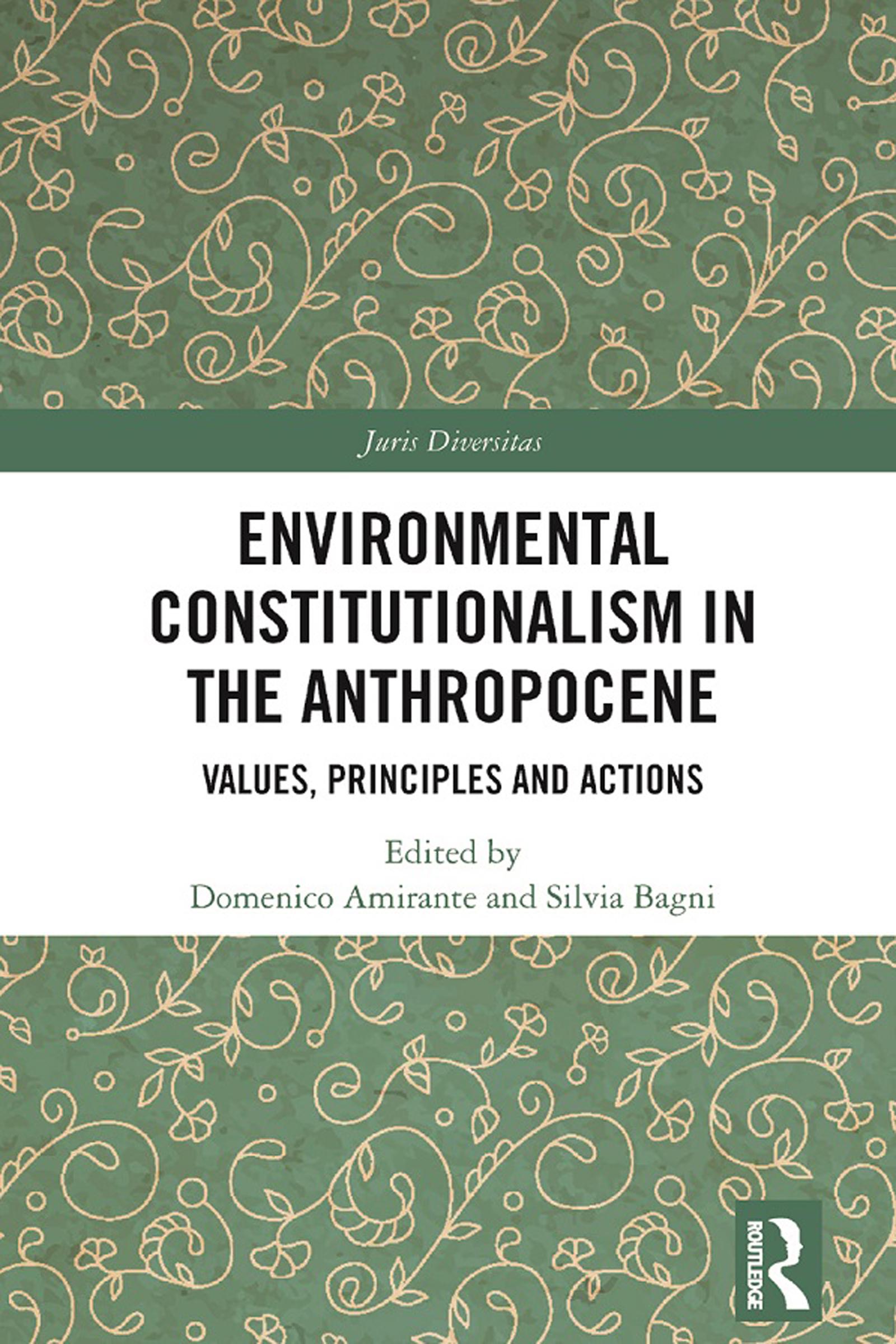
This book examines the relationship between man and nature through different cultural approaches to encourage new environmental legislation as a means of fostering acceptance at a local level.
In 2019, the International Union of Geological Sciences (IUGS) recognised that we have entered a new era, the Anthropocene, specifically characterised by the impact of one species, mankind, on environmental change. The Anthropocene is penetrating the discourse of both hard sciences and humanities and social sciences, by posing new epistemological as well as practical challenges to many disciplines. Legal sciences have so far been at the margins of this intellectual renewal, with few contributions on the central role that the notion of Anthropocene could play in forging a more effective and just environmental law. By applying a multidisciplinary approach and adopting a Law as Culture paradigm to the study of law, this book explores new paths of investigation and possible solutions to be applied. New perspectives for the constitutional framing of environmental policies, rights, and alternative methods for bottom-up participatory law-making and conflict resolution are investigated, showing that environmental justice is not just an option, but an objective within reach.
The book will be essential reading for students, academics, and policymakers in the areas of law, environmental studies and anthropology.
Betal nemt med kort, Klarna, Apple Pay eller Google Pay. Ikke tilfreds? Du har altid 14 dages fortrydelsesret. Læs mere i vores vilkår. Har du spørgsmål, så send os en mail på hello@memmo.org.
Memmo gør det nemmere at studere – uanset hvor du er i verden. Hos os samler du dine kursusbøger og smarte studieværktøjer ét sted: resuméer, quizzer, podcasts og flashcards. Og så er der Ted, din studieven, der svarer på alt, du undrer dig over. Over 50 000 studerende studerer allerede her – bygget til at hjælpe dig med at lære hurtigere og stresse mindre.