
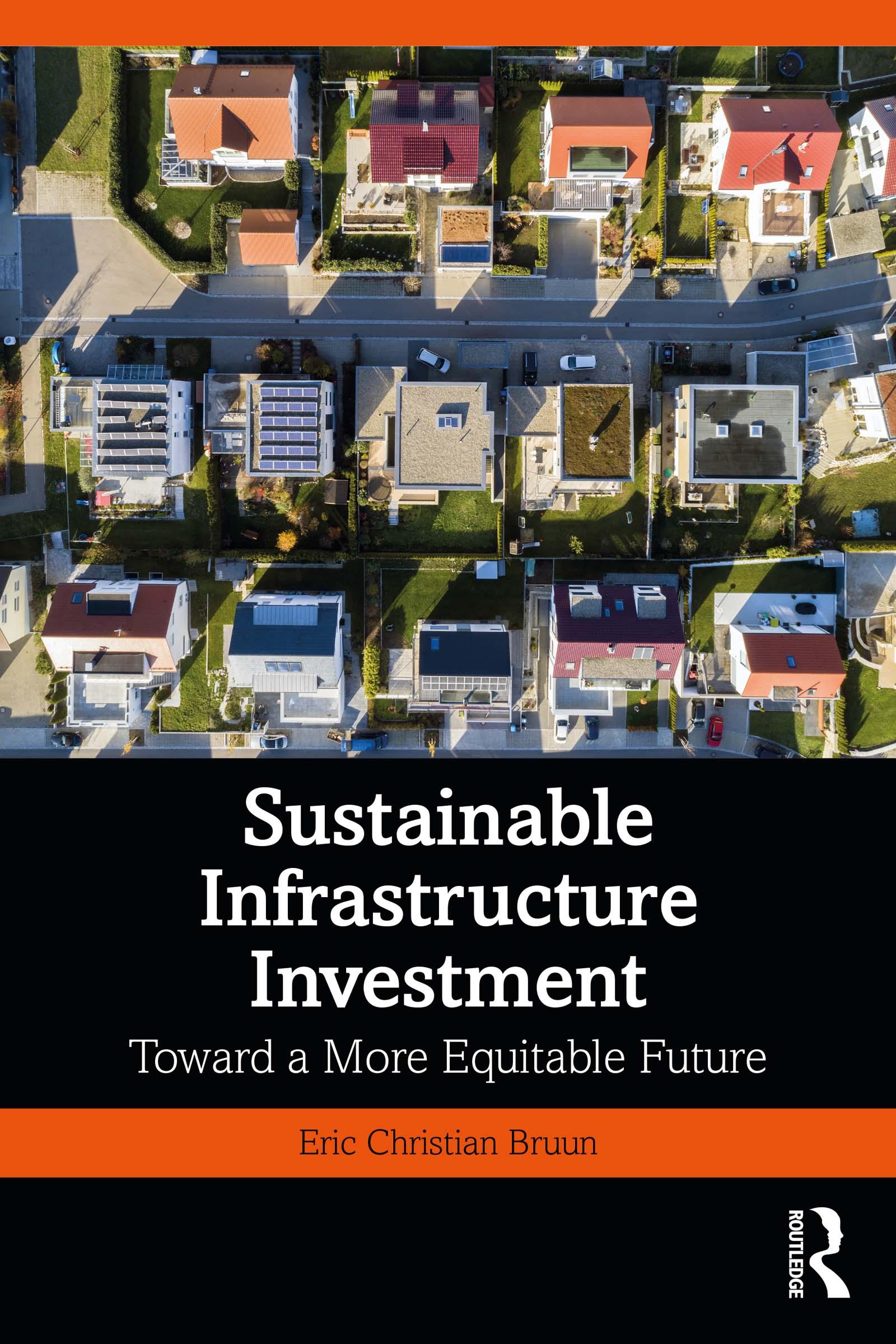
This book provides examples and suggestions for readers to understand how public investment decisions for sustainable infrastructure are made. Through detailed analysis of public investment in infrastructure over the last few decades in the United States, the United Kingdom, and Finland, the author explores how the decision-making processes for major public works spending, many of them requiring quite rigorous and detailed computational methodologies, can result in plans that underserve large portions of the population, are inequitable, and fail to efficiently preserve public property. Beginning with some of the commonly offered explanations for the slow pace of investment and repair in a supposedly prosperous society facing serious environmental challenges, the book then explores media’s role in shaping the public-at-large’s understanding of the situation and the unimaginative solutions put forward by politicians. It continues with some case studies of infrastructure investment, or lack thereof, including an exploration of competing uses for government funds. It concludes with some suggestions. It is aimed at a large readership of professionals, students, and policy makers in political science, urban planning, and civil engineering.
Betal nemt med kort, Klarna, Apple Pay eller Google Pay. Ikke tilfreds? Du har altid 14 dages fortrydelsesret. Læs mere i vores vilkår. Har du spørgsmål, så send os en mail på hello@memmo.org.
Memmo gør det nemmere at studere – uanset hvor du er i verden. Hos os samler du dine kursusbøger og smarte studieværktøjer ét sted: resuméer, quizzer, podcasts og flashcards. Og så er der Ted, din studieven, der svarer på alt, du undrer dig over. Over 50 000 studerende studerer allerede her – bygget til at hjælpe dig med at lære hurtigere og stresse mindre.