
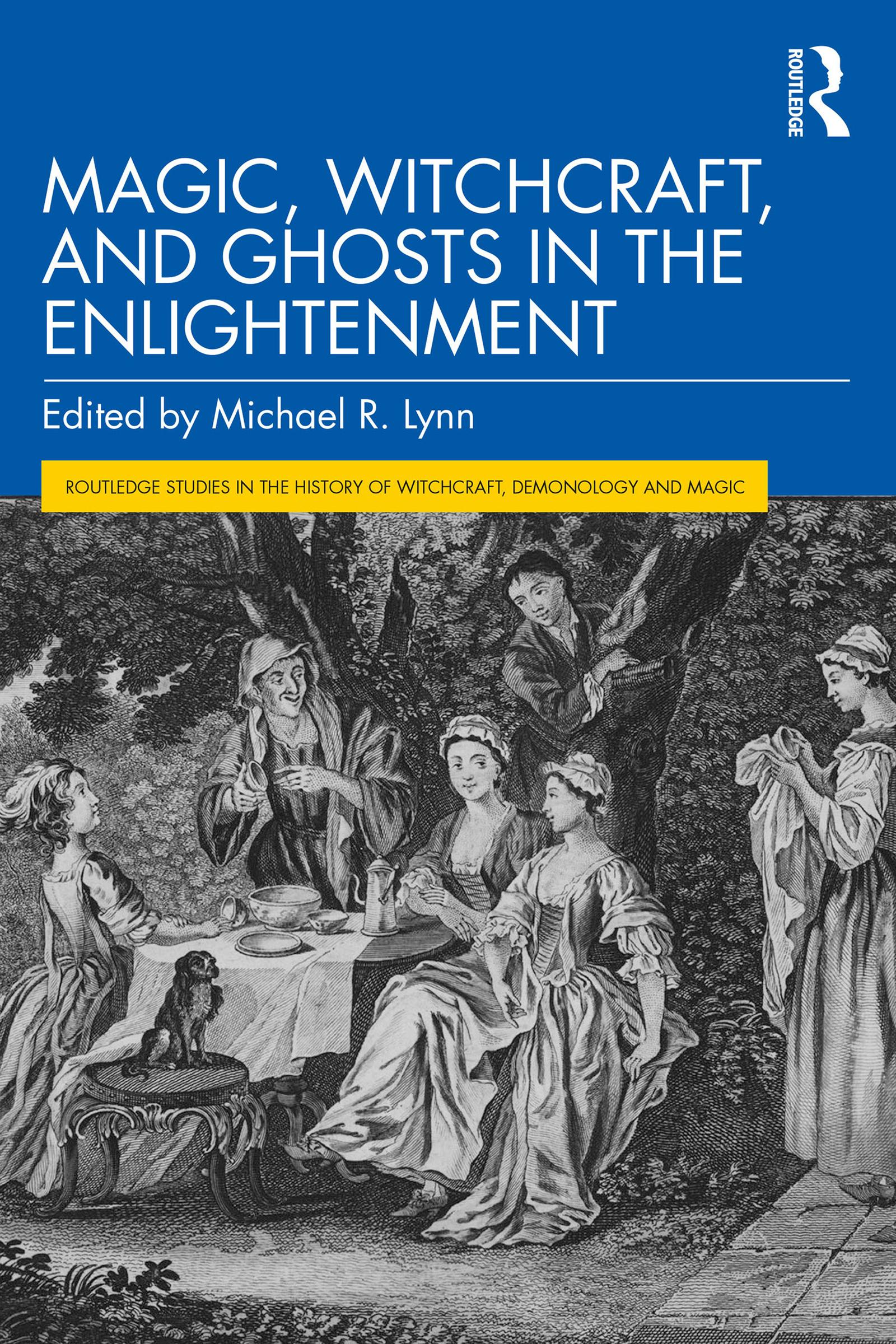
Magic, Witchcraft, and Ghosts in the Enlightenment argues for the centrality of magical practices and ideas throughout the long eighteenth century.
Although the hunt for witches in Europe declined precipitously after 1650, and the intellectual justification for natural magic came under fire by 1700, belief in magic among the general population did not come to a sudden stop. The philosophes continued to take aim at magical practices, alongside religion, as examples of superstitions that an enlightened age needed to put behind them. In addition to a continuity of beliefs and practices, the eighteenth century also saw improvement and innovation in magical ideas, the understanding of ghosts, and attitudes toward witchcraft. The volume takes a broad geographical approach and includes essays focusing on Great Britain (England and Ireland), France, Germany, and Hungary. It also takes a wide approach to the subject and includes essays on astrology, alchemy, witchcraft, cunning folk, ghosts, treasure hunters, and purveyors of magic.
With a broad chronological scope that ranges from the end of the seventeenth century to the early nineteenth century, this volume is useful for undergraduates, postgraduates, scholars, and those with a general interest in magic, witchcraft, and spirits in the Enlightenment.
Betal nemt med kort, Klarna, Apple Pay eller Google Pay. Ikke tilfreds? Du har altid 14 dages fortrydelsesret. Læs mere i vores vilkår. Har du spørgsmål, så send os en mail på hello@memmo.org.
Memmo gør det nemmere at studere – uanset hvor du er i verden. Hos os samler du dine kursusbøger og smarte studieværktøjer ét sted: resuméer, quizzer, podcasts og flashcards. Og så er der Ted, din studieven, der svarer på alt, du undrer dig over. Over 50 000 studerende studerer allerede her – bygget til at hjælpe dig med at lære hurtigere og stresse mindre.