
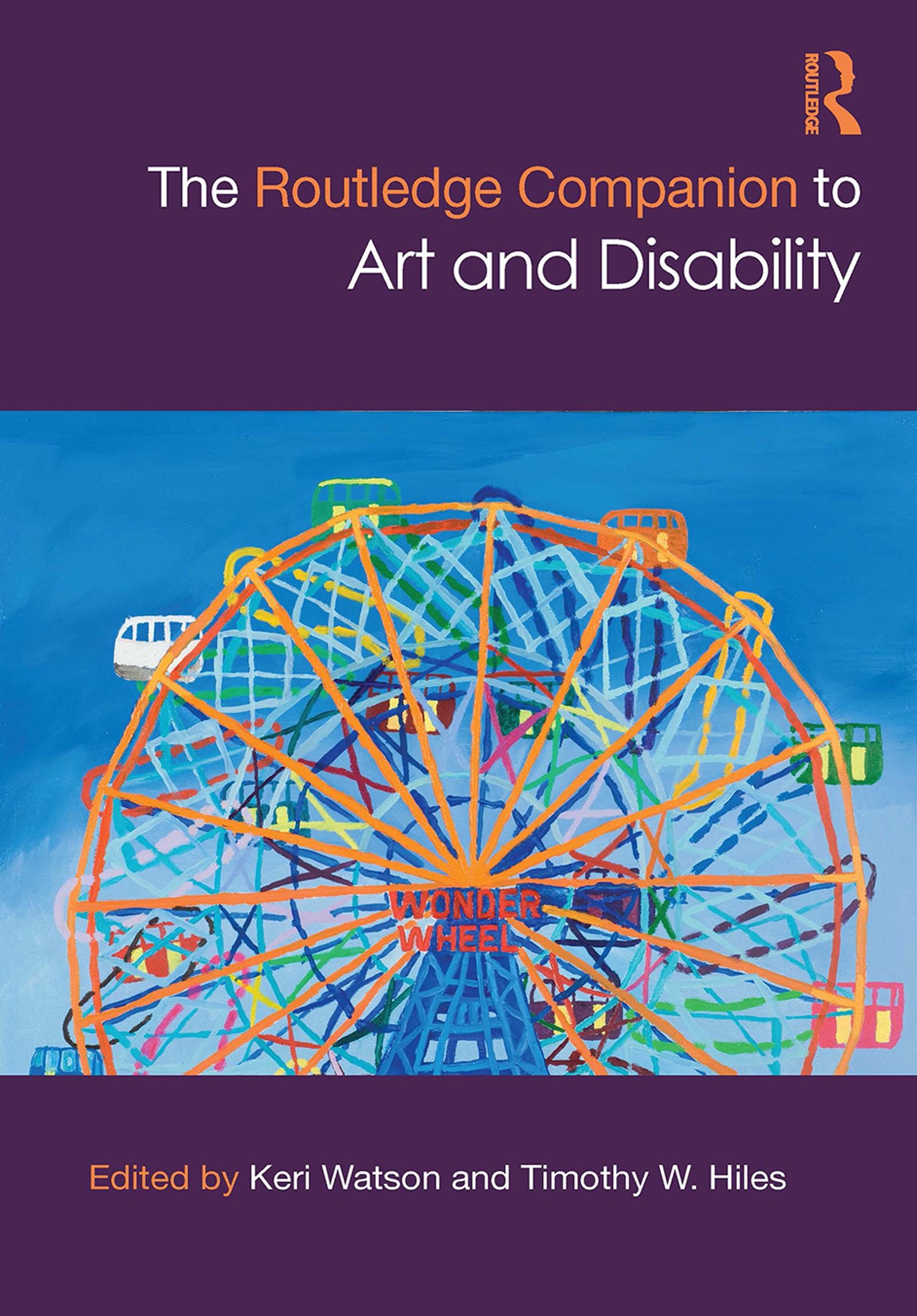
The Routledge Companion to Art and Disability explores disability in visual culture to uncover the ways in which bodily and cognitive differences are articulated physically and theoretically, and to demonstrate the ways in which disability is culturally constructed.
This companion is organized thematically and includes artists from across historical periods and cultures in order to demonstrate the ways in which disability is historically and culturally contingent. The book engages with questions such as: How are people with disabilities represented in art? How are notions of disability articulated in relation to ideas of normality, hybridity, and anomaly? How do artists use visual culture to affirm or subvert notions of the normative body? Contributors consider the changing role of disability in visual culture, the place of representations in society, and the ways in which disability studies engages with and critiques intersectional notions of gender, race, ethnicity, class, and sexuality.
This book will be particularly useful for scholars in art history, disability studies, visual culture, and museum studies.
Betal nemt med kort, Klarna, Apple Pay eller Google Pay. Ikke tilfreds? Du har altid 14 dages fortrydelsesret. Læs mere i vores vilkår. Har du spørgsmål, så send os en mail på hello@memmo.org.
Memmo gør det nemmere at studere – uanset hvor du er i verden. Hos os samler du dine kursusbøger og smarte studieværktøjer ét sted: resuméer, quizzer, podcasts og flashcards. Og så er der Ted, din studieven, der svarer på alt, du undrer dig over. Over 50 000 studerende studerer allerede her – bygget til at hjælpe dig med at lære hurtigere og stresse mindre.