
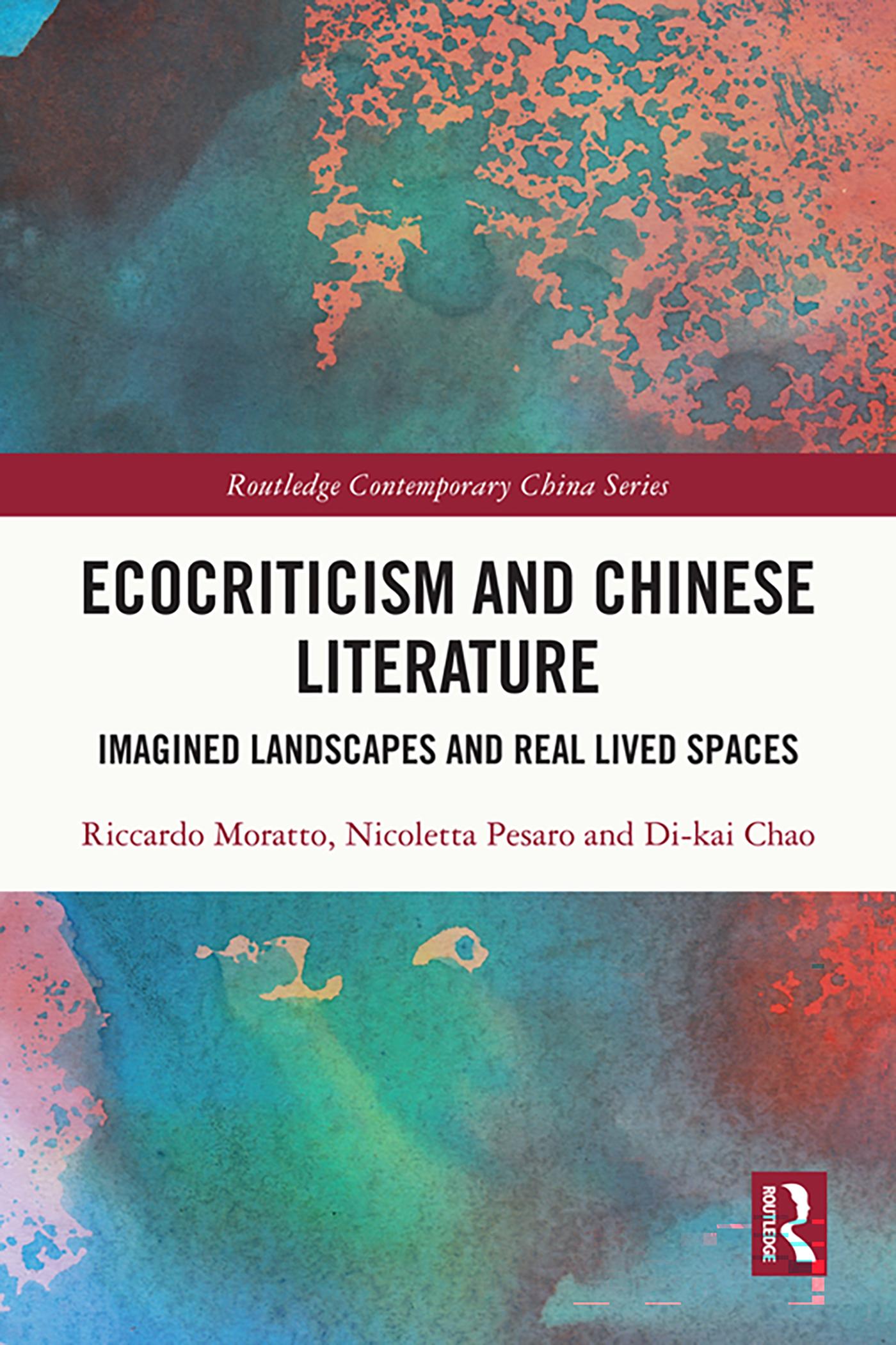
Focusing on ecocritical aspects throughout Chinese literature, particularly modern and contemporary Chinese literature, the contributors to this book examine the environmental and ecological dimensions of notions such as qing (情) and jing (境).
Chinese modern and contemporary environmental writing offers a unique aesthetic perspective toward the natural world. Such a perspective is mainly ecological and allows human subjects to take a benign and nonutilitarian attitude toward nature. The contributors to this book demonstrate how Chinese literary ecology tends toward an ecological-systemic holism from which all human behaviors should be closely examined. They do so by examining a range of writers and genres, including Liu Cixin’s science fiction, Wu Ming-yi’s environmental fiction, and Zhang Chengzhi’s historical narratives.
This book provides valuable insights for scholars and students looking to understand how Chinese literature conceptualizes the relationship between humanity and nature, as well as our role and position within the natural realm.
Betal nemt med kort, Klarna, Apple Pay eller Google Pay. Ikke tilfreds? Du har altid 14 dages fortrydelsesret. Læs mere i vores vilkår. Har du spørgsmål, så send os en mail på hello@memmo.org.
Memmo gør det nemmere at studere – uanset hvor du er i verden. Hos os samler du dine kursusbøger og smarte studieværktøjer ét sted: resuméer, quizzer, podcasts og flashcards. Og så er der Ted, din studieven, der svarer på alt, du undrer dig over. Over 50 000 studerende studerer allerede her – bygget til at hjælpe dig med at lære hurtigere og stresse mindre.