
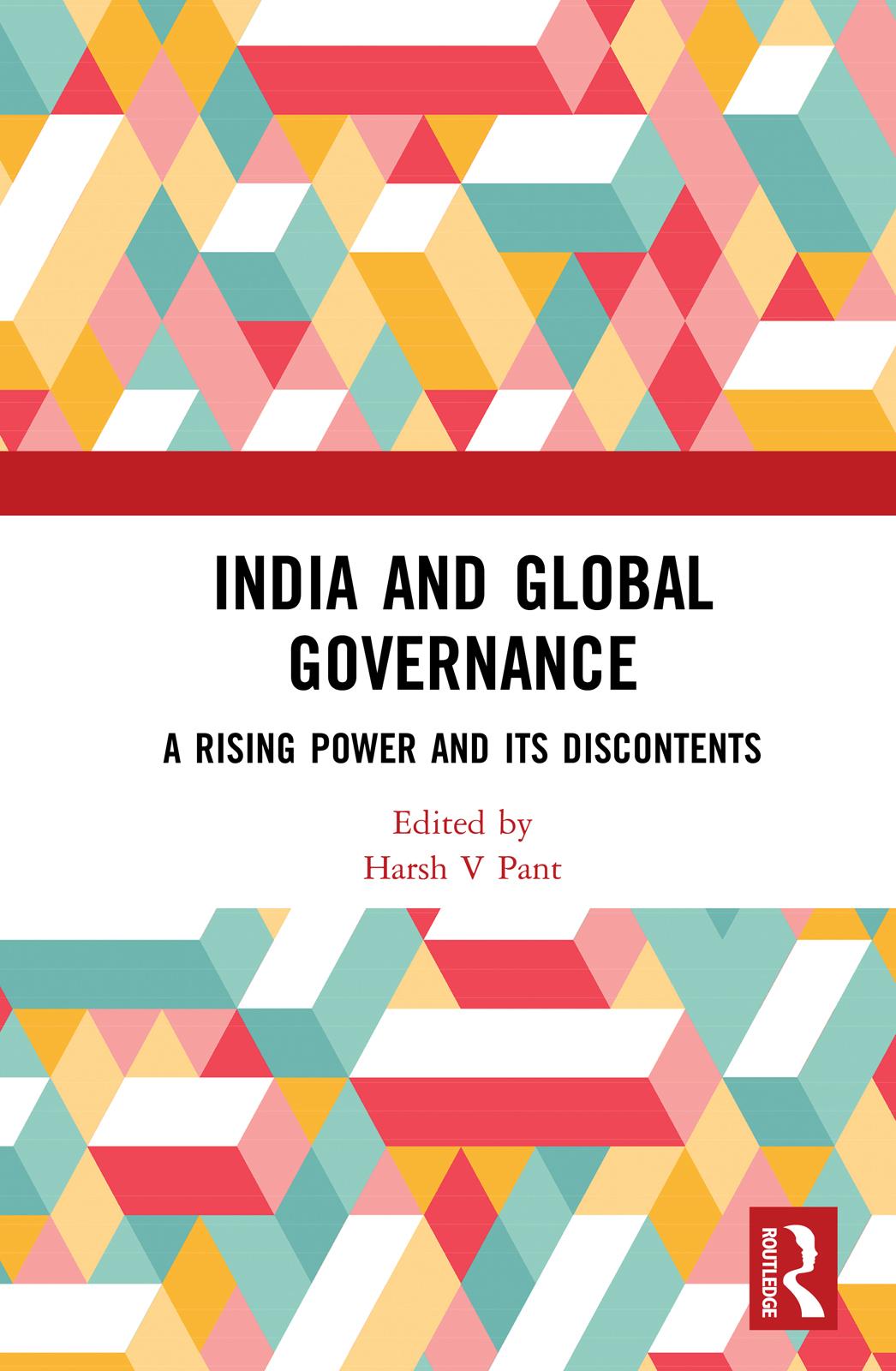
This volume explores India’s role in the global governance architecture post–Cold War. It shows how, with a rise in India’s capabilities, there is an expectation from its external interlocutors that New Delhi ought to play a larger global role. As Indian policymakers redefine their engagements in the global policy matrix, the chapters in the volume analyse India’s role as a challenger and a stakeholder in world politics; its uneasy relationship with Western liberal democracies; and its role in shaping new structures of global governance. The volume focuses on a host of critical issues, including nuclear policy, climate action politics, India’s bid for a permanent seat at the UN Security Council, humanitarian interventions, trade governance, democracy promotion, India’s engagement with other emerging powers in platforms such as the BRICS, the changing dynamics with its neighbours, and maritime governance.
A timely reimagining of global politics, this book will be of great interest to scholars and researchers of politics and international relations, climate change, military and strategic studies, economics, and South Asian studies.
Betal nemt med kort, Klarna, Apple Pay eller Google Pay. Ikke tilfreds? Du har altid 14 dages fortrydelsesret. Læs mere i vores vilkår. Har du spørgsmål, så send os en mail på hello@memmo.org.
Memmo gør det nemmere at studere – uanset hvor du er i verden. Hos os samler du dine kursusbøger og smarte studieværktøjer ét sted: resuméer, quizzer, podcasts og flashcards. Og så er der Ted, din studieven, der svarer på alt, du undrer dig over. Over 50 000 studerende studerer allerede her – bygget til at hjælpe dig med at lære hurtigere og stresse mindre.