
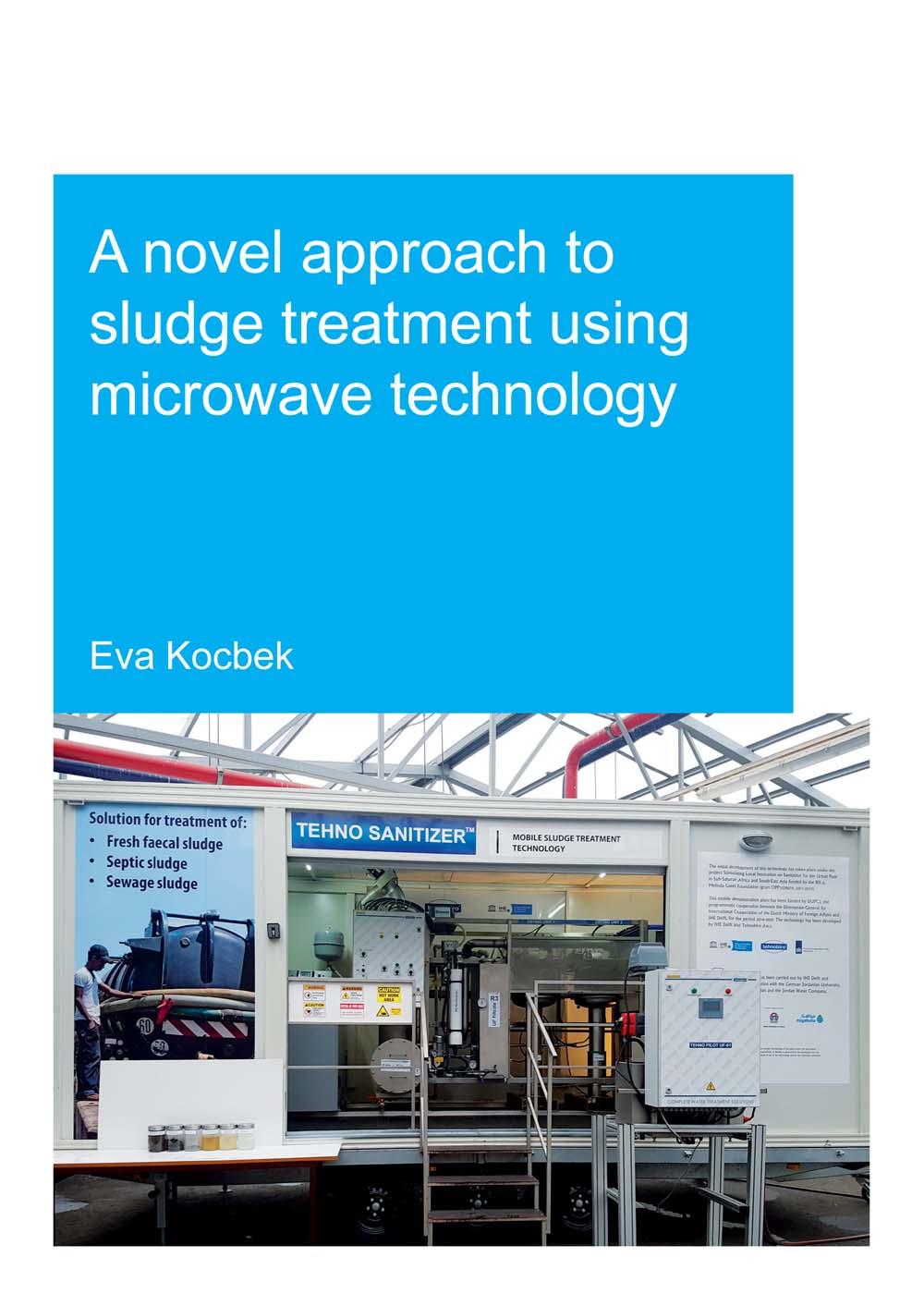
Sludge transportation costs can represent a large fraction of the expenses associated with municipal and faecal sludge management. These costs can be mitigated through the use of thermal drying approaches to reduce the sludge volume. This thesis described the application of a novel microwave-based pilot-scale unit as an alternative technology for the sanitisation and drying of sludge from municipal wastewater treatment plants and on-site sanitation facilities. The potential economic benefits of volumetric heating, moisture levelling, and increased liquid and vapour migration from the interior to the surface of the product underpins the increasing interest in the use of microwave technology during sludge treatment processes. According to the findings of this study, these factors lead to faster processing times, improved drying rates, and a reduced physical footprint. Furthermore, microwave technology operates as a standalone treatment unit. When coupled with mechanical dewatering techniques and membrane separation technology, it can increase the reliability of the technology employed in the treatment of sludge while recovering valuable resources through an agricultural or thermochemical application such as (co-) combustion. The results of this work demonstrate the strong feasibility of applying microwave-based technology within initiatives designed to protect the environment and safeguard public health.
Betal nemt med kort, Klarna, Apple Pay eller Google Pay. Ikke tilfreds? Du har altid 14 dages fortrydelsesret. Læs mere i vores vilkår. Har du spørgsmål, så send os en mail på hello@memmo.org.
Memmo gør det nemmere at studere – uanset hvor du er i verden. Hos os samler du dine kursusbøger og smarte studieværktøjer ét sted: resuméer, quizzer, podcasts og flashcards. Og så er der Ted, din studieven, der svarer på alt, du undrer dig over. Over 50 000 studerende studerer allerede her – bygget til at hjælpe dig med at lære hurtigere og stresse mindre.