
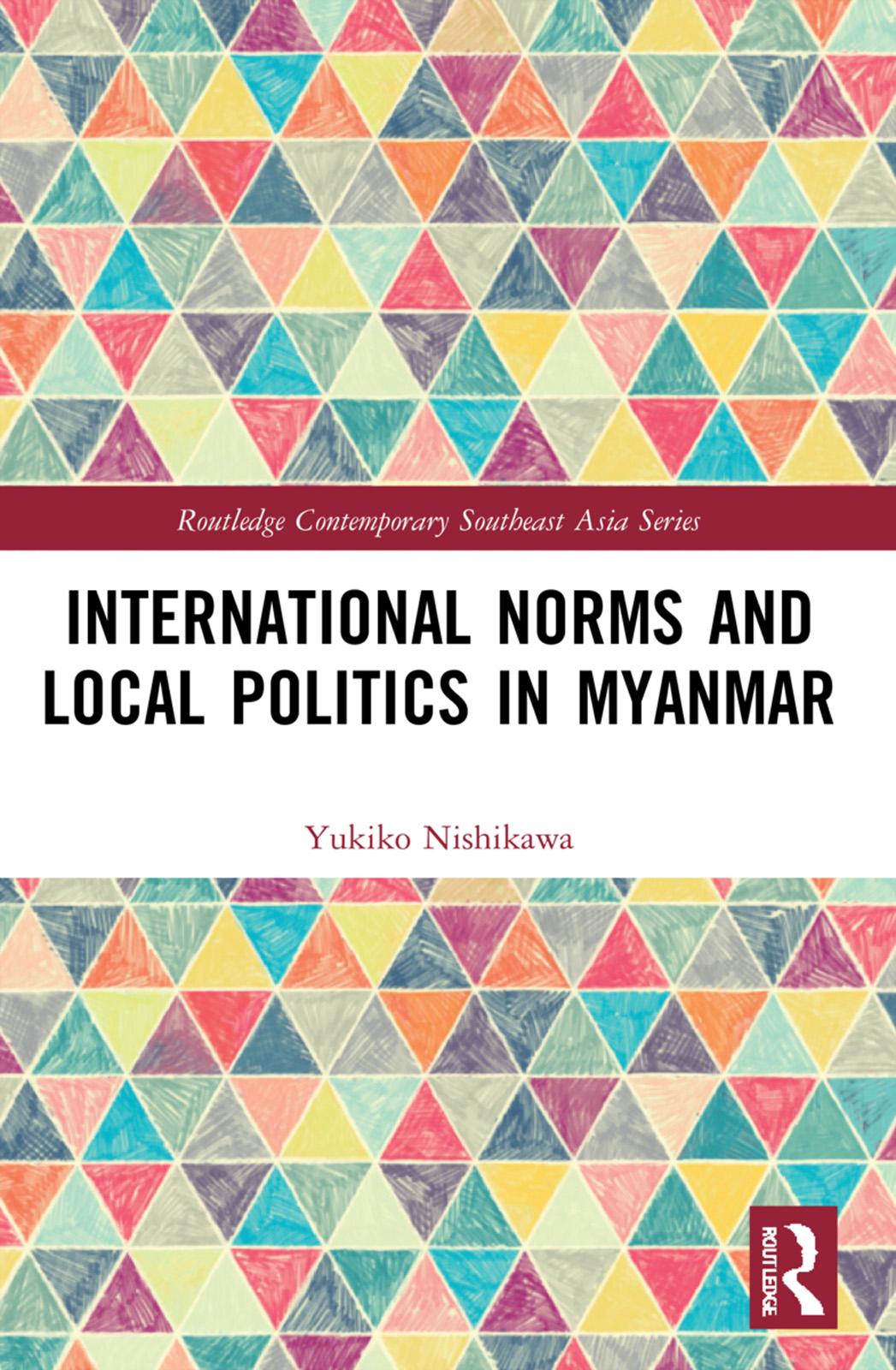
Nishikawa explores how international norms have been adopted in the local context in Myanmar to project a certain international image, while in fact the authorities are exploiting these norms to protect their own interests.
In the liberal international world order promoted since the end of the Cold War, democracy, rule of law and human rights have become key components in state and peace-building around the world. Many donor governments and international organisations have promoted them in their aid and assistance. However, the promotion of these international norms is based on a flawed understanding of sovereignty and the world. For this reason, the enforcement of these international norms in Myanmar not only fails to protect vulnerable people but also, in some instances, exacerbates the situation, thereby generating critical insecurity to the most vulnerable people.
A vital resource for scholars of Myanmar’s politics, as well as a valuable case study for International Relations scholars more broadly.
Betal nemt med kort, Klarna, Apple Pay eller Google Pay. Ikke tilfreds? Du har altid 14 dages fortrydelsesret. Læs mere i vores vilkår. Har du spørgsmål, så send os en mail på hello@memmo.org.
Memmo gør det nemmere at studere – uanset hvor du er i verden. Hos os samler du dine kursusbøger og smarte studieværktøjer ét sted: resuméer, quizzer, podcasts og flashcards. Og så er der Ted, din studieven, der svarer på alt, du undrer dig over. Over 50 000 studerende studerer allerede her – bygget til at hjælpe dig med at lære hurtigere og stresse mindre.