
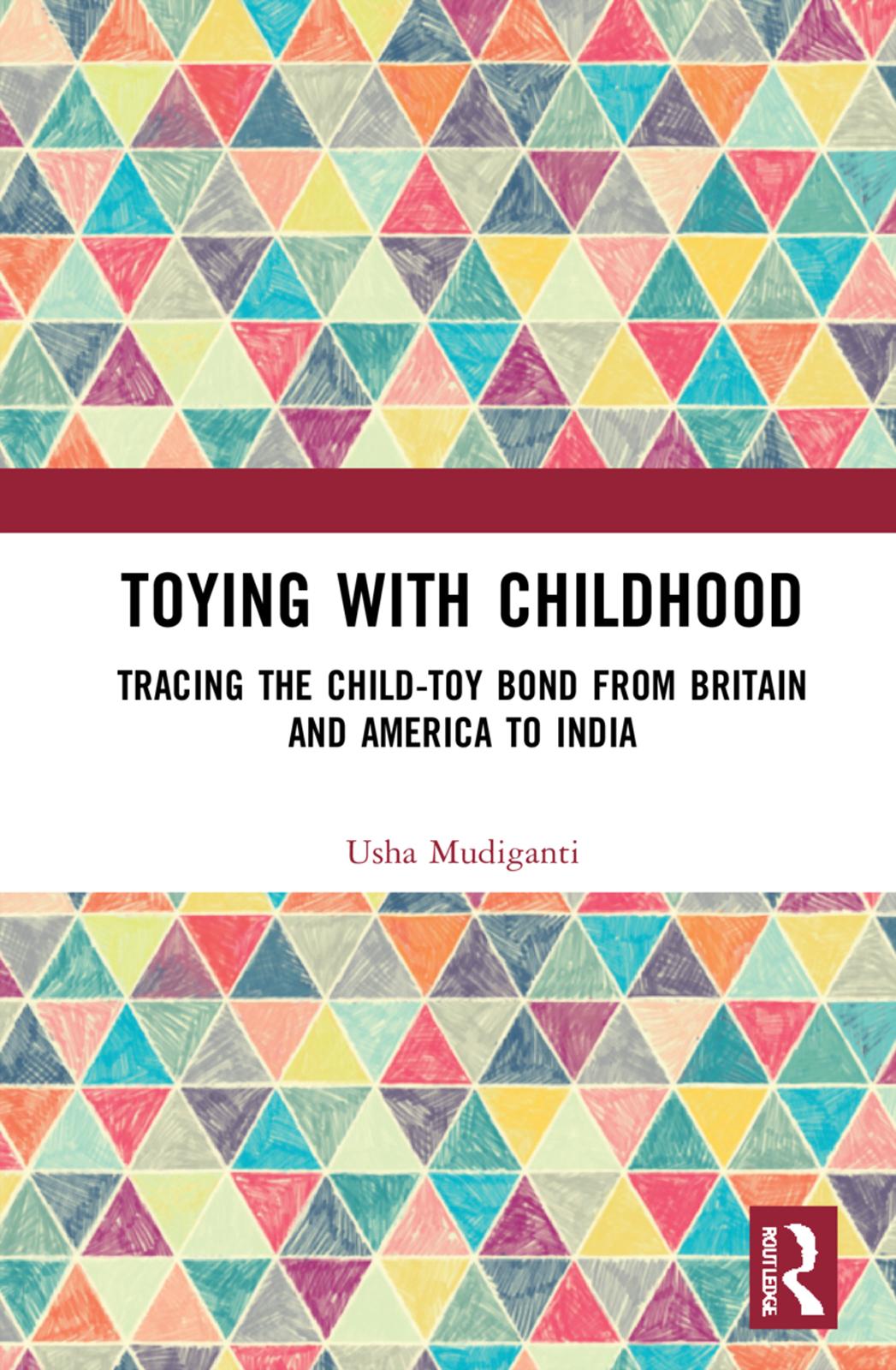
This book studies the dialectic relationship between the image of the child and the toy in literary depictions of childhood in 19th- and 20th- century Anglo-American fiction. Drawing from the psychoanalytic theories of Sigmund Freud, Anna Freud, D.W. Winnicott, and Sudhir Kakar, it analyses themes such as the heterogeneity of childhood and the construction of the ideals of childhood. It explores the linkages between the ideals of childhood in Britain and its travel to America and further dissemination in British India. It discusses the established tropes of childhood such as innocence, a formative period, the centrality of play, and the presence of a toy to argue that the mores of childhood are culturally constructed and lead to the reification of a child into an image of perfection. The author problematises the notion of essential innocence and discusses the repercussions of such stereotypes about childhood. The work also highlights parallels between the ideals of childhood established in 19th-century Britain and the portrayals of postcolonial Indian childhoods in 20th-century Indian English literature.
Toying with Childhood will be useful for students and researchers of education, childhood studies, psychology, sociology, literature, gender studies, and development studies. It will also appeal to general readers interested in cultural perceptions of childhood, literary depictions of children, and the works of Sigmund Freud.
Betal nemt med kort, Klarna, Apple Pay eller Google Pay. Ikke tilfreds? Du har altid 14 dages fortrydelsesret. Læs mere i vores vilkår. Har du spørgsmål, så send os en mail på hello@memmo.org.
Memmo gør det nemmere at studere – uanset hvor du er i verden. Hos os samler du dine kursusbøger og smarte studieværktøjer ét sted: resuméer, quizzer, podcasts og flashcards. Og så er der Ted, din studieven, der svarer på alt, du undrer dig over. Over 50 000 studerende studerer allerede her – bygget til at hjælpe dig med at lære hurtigere og stresse mindre.