
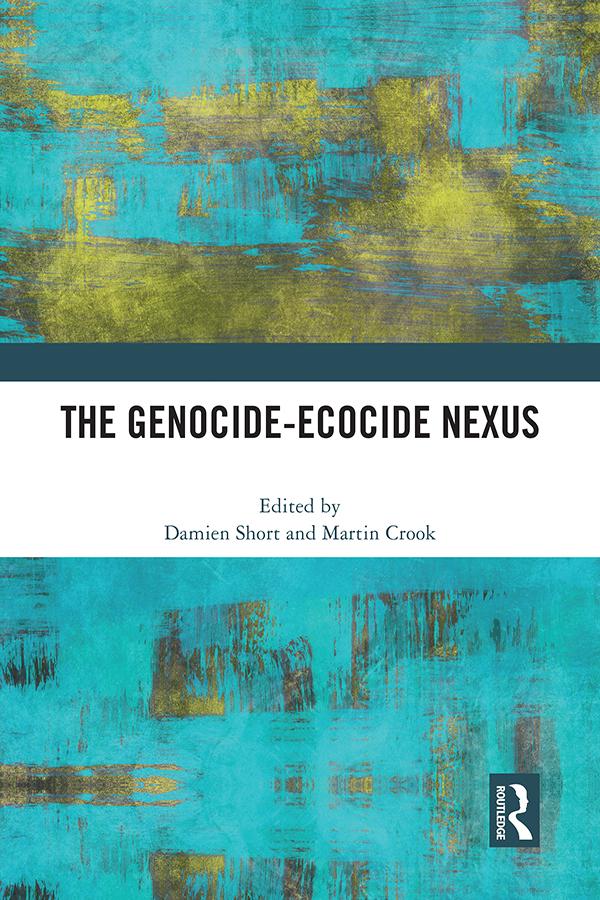
In a world gripped by an ever-worsening ecological crisis there are present and increasing genocidal pressures on many culturally distinct social groups, such as indigenous peoples. This is where the genocide-ecocide nexus presents itself.
The destruction of ecosystems, ecocide, can be a method of genocide if, for example, environmental destruction results in conditions of life that fundamentally threaten a social group's cultural and/or physical existence. Given the looming threat of runaway climate change, the attendant rapid extinction of species, destruction of habitats, ecological collapse and the self-evident dependency of the human race on our bio-sphere, ecocide (both "natural" and "manmade") will become a primary driver of genocide. Through nine chapters of cutting-edge research, this book examines specific case studies in geographical settings such as Iraq, Sudan, Nigeria and Brazil, to highlight and analyse the crucial connections and vectors of the genocide-ecocide nexus. This book will be of great value to scholars, students and researchers interested in the ecological crisis, Environmental Justice, the political economy of genocide and ecocide as well as environmental human rights.
The chapters in this book were originally published as a special issue of The Journal of Genocide Research.
Betal nemt med kort, Klarna, Apple Pay eller Google Pay. Ikke tilfreds? Du har altid 14 dages fortrydelsesret. Læs mere i vores vilkår. Har du spørgsmål, så send os en mail på hello@memmo.org.
Memmo gør det nemmere at studere – uanset hvor du er i verden. Hos os samler du dine kursusbøger og smarte studieværktøjer ét sted: resuméer, quizzer, podcasts og flashcards. Og så er der Ted, din studieven, der svarer på alt, du undrer dig over. Over 50 000 studerende studerer allerede her – bygget til at hjælpe dig med at lære hurtigere og stresse mindre.