
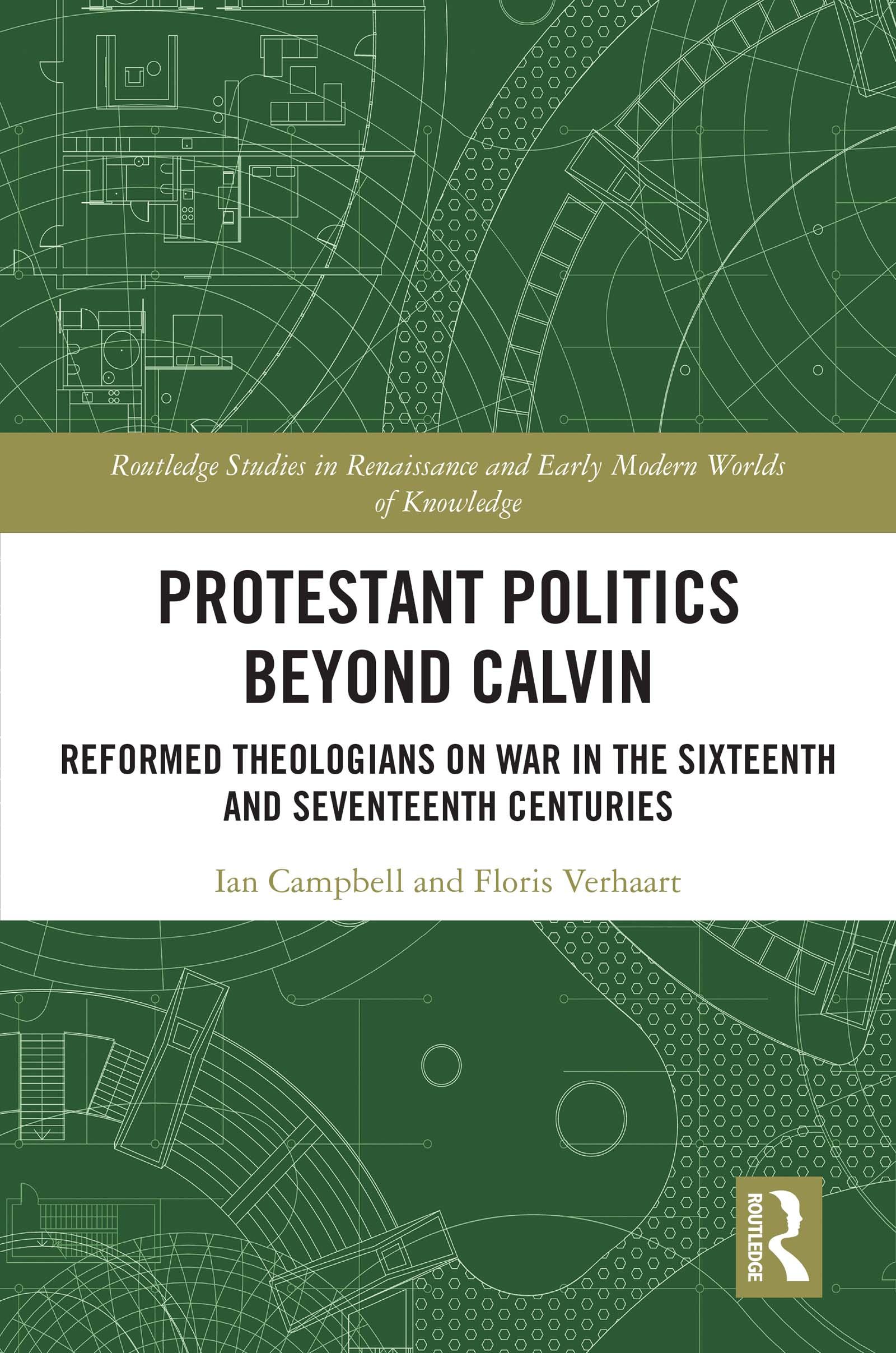
The Reformed (or Calvinist) universities of sixteenth and seventeenth-century Europe hosted rich, Latin-language conversations on the nature of politics, the powers of kings and magistrates, resistance, revolution, and religious warfare. Nevertheless, it is too often assumed that Reformed political thought did not develop beyond John Calvin’s Institutes of 1559. This book remedies this problem, presenting extracts from major Reformed theologians and intellectuals (including Peter Martyr Vermigli, Guillaume de Buc, David Pareus, Lambert Daneau, and Bartholomäus Keckermann) which demonstrate both continuity and change in Reformed political argument. These men taught in France, the Holy Roman Empire, the Low Countries, and England, between the 1540s and 1660s, but they were read in universities throughout the North Atlantic world into the eighteenth century. Should all political action be subject to God’s direct command? Were humans capable of using their own God-given reason to tell right from wrong? Was it ever just to resist tyrants? Was religious difference enough by itself to justify war? Their political doctrines often aroused the greatest controversy in their own time; this is generally the first time that these extracts from their works have been translated into English. These texts and translations are accompanied by an introduction placing these authors in the context of the great European religious wars, advice on further reading, and a full bibliography.
Betal nemt med kort, Klarna, Apple Pay eller Google Pay. Ikke tilfreds? Du har altid 14 dages fortrydelsesret. Læs mere i vores vilkår. Har du spørgsmål, så send os en mail på hello@memmo.org.
Memmo gør det nemmere at studere – uanset hvor du er i verden. Hos os samler du dine kursusbøger og smarte studieværktøjer ét sted: resuméer, quizzer, podcasts og flashcards. Og så er der Ted, din studieven, der svarer på alt, du undrer dig over. Over 50 000 studerende studerer allerede her – bygget til at hjælpe dig med at lære hurtigere og stresse mindre.