
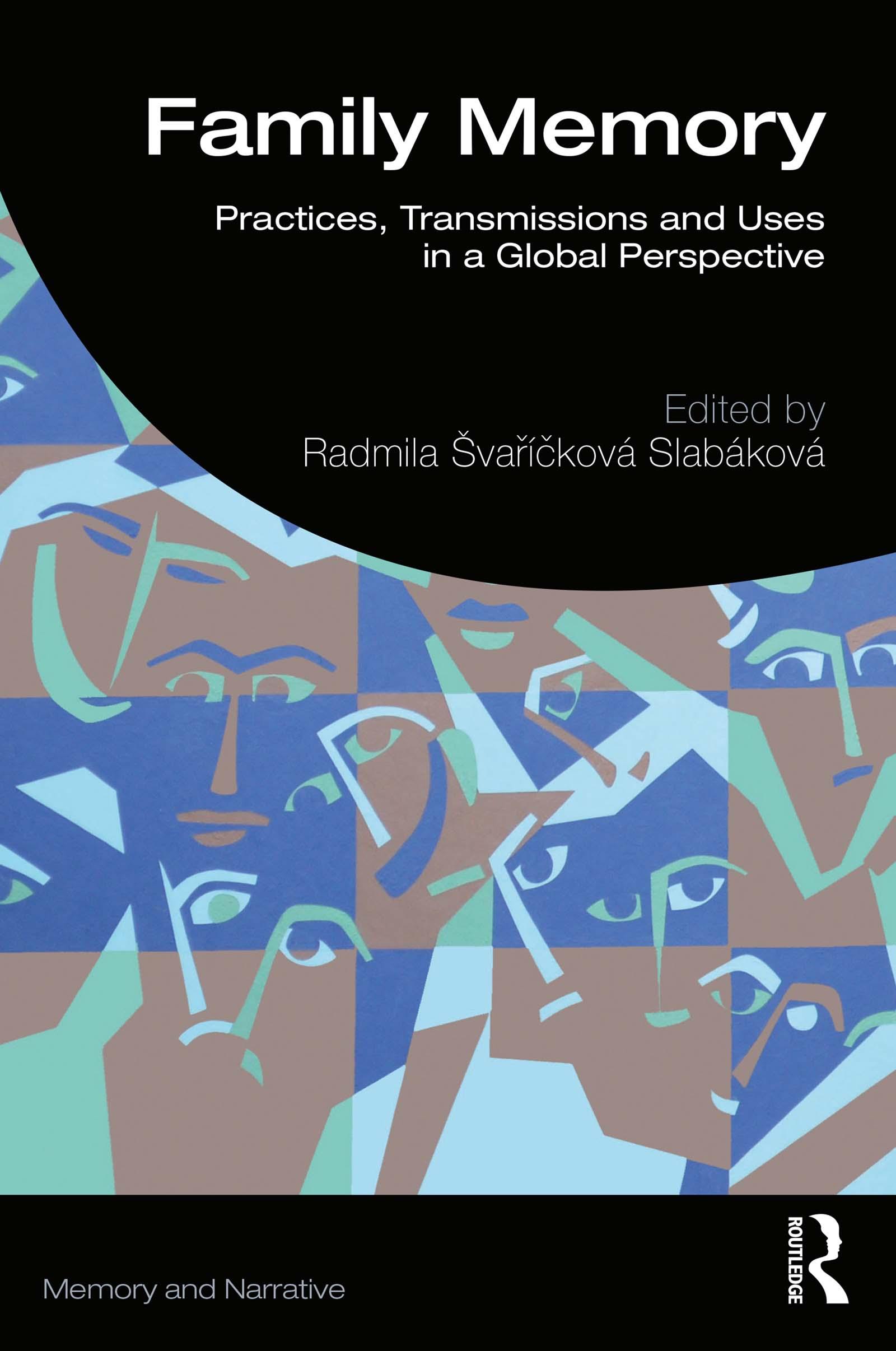
In Family Memory: Practices, Transmissions and Uses in a Global Perspective, researchers from five different continents explore the significance of family memory as an analytical tool and a research concept.
Family memory is the most important memory community. This volume illustrates the range and power of family memories, often neglected by memory studies dealing with larger mnemonic entities. This book highlights the potential of family memory research for understanding societies’past and present and the need for a more comprehensive and systematic use of family memories. The contributors explain how family memories can be a valuable resource across a range of settings pertaining to individual and collective identities, national memories, intergenerational transmission processes and migration, transnational and diasporic studies. This volume presents the past, present and future of family memory as a prospective field of memory studies and the role of family memory in intergenerational transmission of social and political values. Family memory of violent events and genocide is also looked at, with discussions of the Armenian Genocide, Russian Revolution and Rwandan Genocide.
This book will be an important read for cultural and oral historians; family historians; public historians; researchers in narrative studies, psychology, politics and international studies.
Betal nemt med kort, Klarna, Apple Pay eller Google Pay. Ikke tilfreds? Du har altid 14 dages fortrydelsesret. Læs mere i vores vilkår. Har du spørgsmål, så send os en mail på hello@memmo.org.
Memmo gør det nemmere at studere – uanset hvor du er i verden. Hos os samler du dine kursusbøger og smarte studieværktøjer ét sted: resuméer, quizzer, podcasts og flashcards. Og så er der Ted, din studieven, der svarer på alt, du undrer dig over. Over 50 000 studerende studerer allerede her – bygget til at hjælpe dig med at lære hurtigere og stresse mindre.