
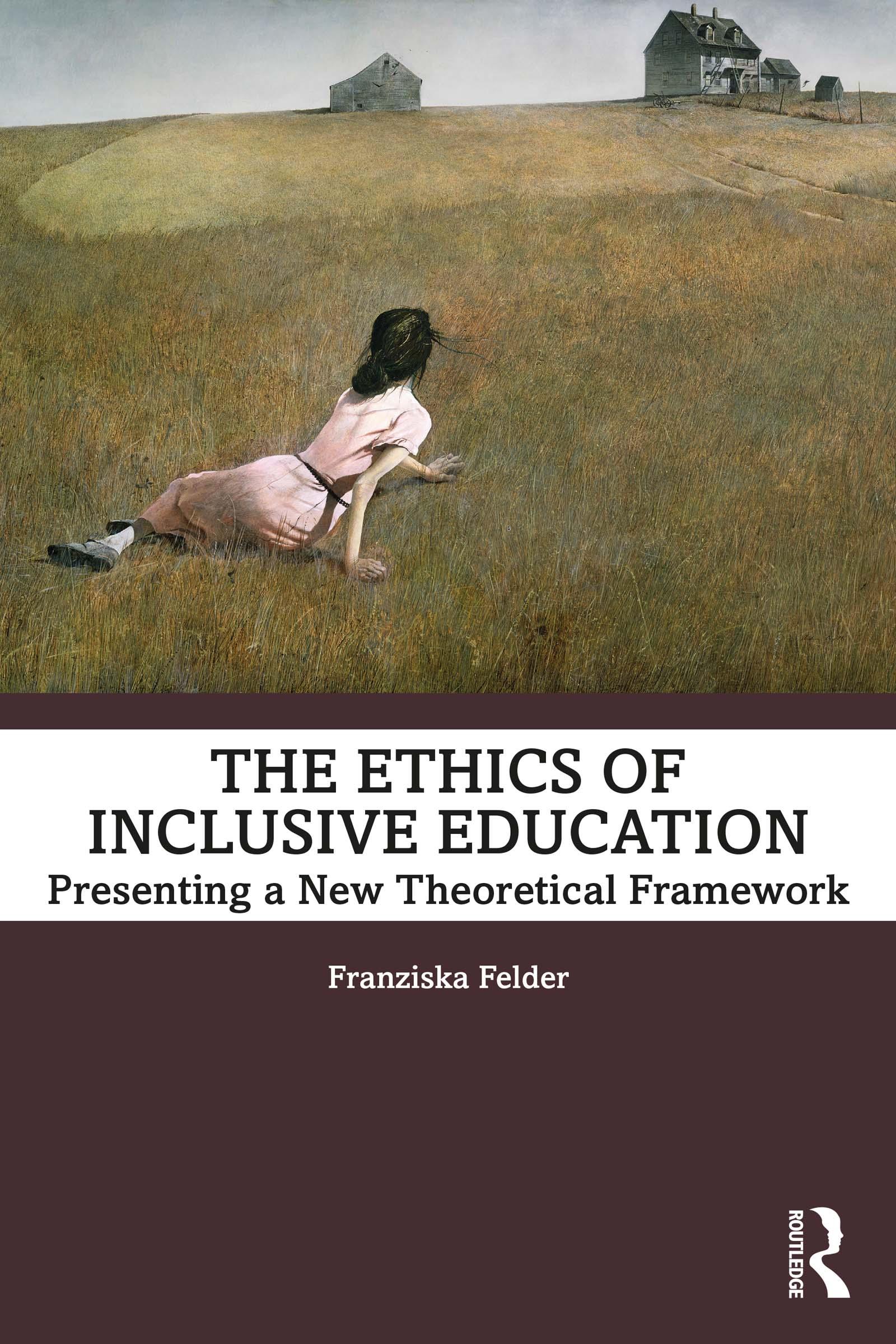
The Ethics of Inclusive Education clarifies the idea of inclusion and its normative content, and presents a coherent theoretical framework for inclusion and inclusive education. It serves as one of the first extended philosophical defenses in the field of inclusive education that goes beyond a simple assertion of educational value.
Integrating perspectives from the history, sociology and psychology of inclusive education, this book develops a holistic concept of inclusion, while clearly and systematically examining the ethical-normative content of inclusive education. It also offers:
- an interdisciplinary analysis of inclusion and inclusive schooling, ranging from historical to sociological analysis of their predecessors and preconditions, to the investigation of their philosophical and educational content,
- an in-depth analysis of the moral significance of exclusion, the value of inclusion and inclusive education from an analytical point of view, and
- practice-oriented investigations of the individual and social conditions for inclusion and inclusive education.
The Ethics of Inclusive Education serves researchers, practitioners and politicians, to make key educational decisions about how to understand, explore or realize inclusive educational aims, especially with respect to disability and special needs.
Betal nemt med kort, Klarna, Apple Pay eller Google Pay. Ikke tilfreds? Du har altid 14 dages fortrydelsesret. Læs mere i vores vilkår. Har du spørgsmål, så send os en mail på hello@memmo.org.
Memmo gør det nemmere at studere – uanset hvor du er i verden. Hos os samler du dine kursusbøger og smarte studieværktøjer ét sted: resuméer, quizzer, podcasts og flashcards. Og så er der Ted, din studieven, der svarer på alt, du undrer dig over. Over 50 000 studerende studerer allerede her – bygget til at hjælpe dig med at lære hurtigere og stresse mindre.