
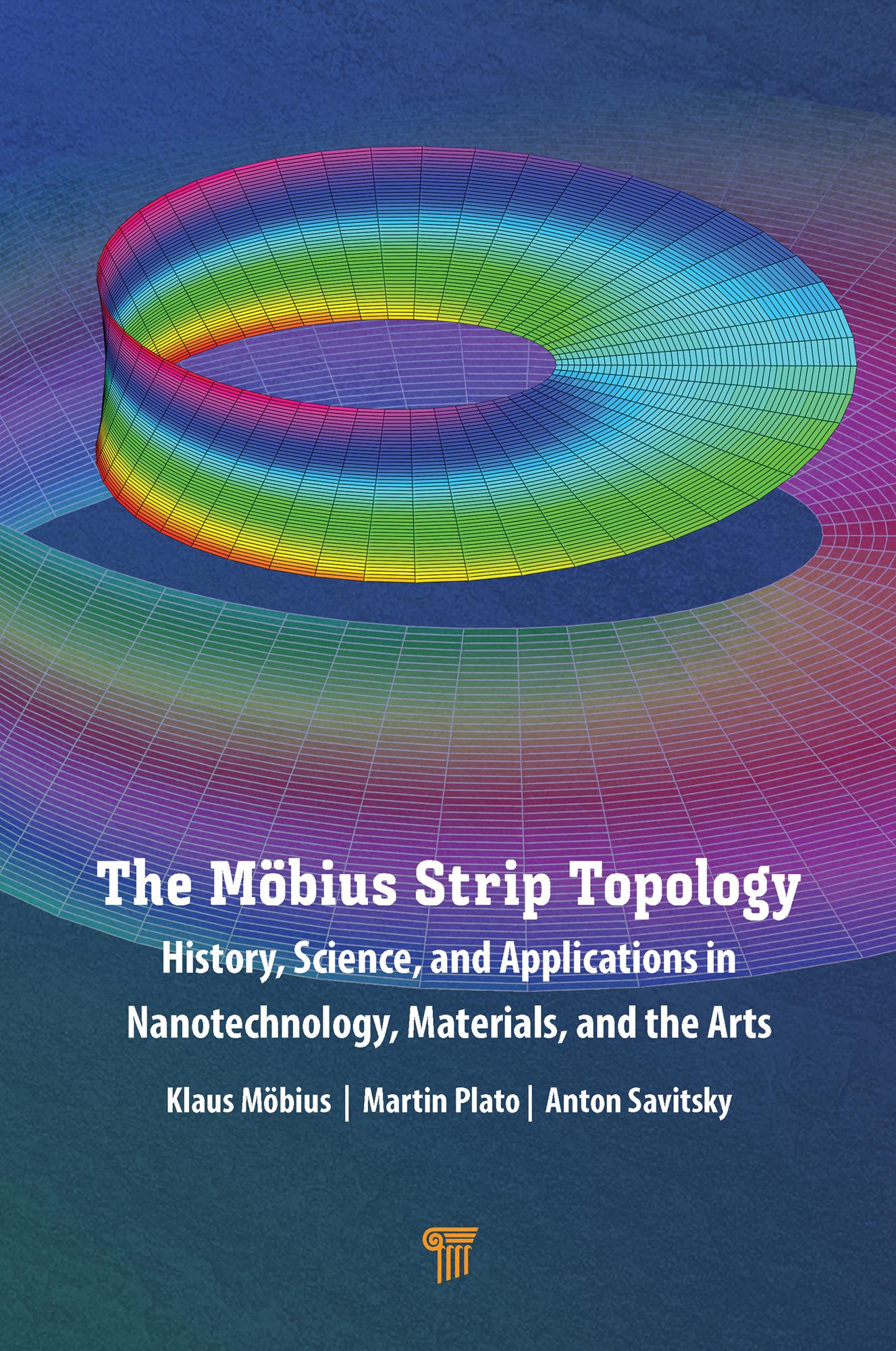
In the 19th century, pure mathematics research reached a climax in Germany, and Carl Friedrich Gauss (1777–1855) was an epochal example. August Ferdinand Möbius (1790–1868) was his doctoral student whose work was profoundly influenced by him. In the 18th century, it had been mostly the French school of applied mathematics that enabled the rapid developments of science and technology in Europe. How could this shift happen? It can be argued that the major reasons were the devastating consequences of the Napoleonic Wars in Central Europe, leading to the total defeat of Prussia in 1806. Immediately following, far-reaching reforms of the entire state system were carried out in Prussia and other German states, also affecting the educational system. It now guaranteed freedom of university teaching and research. This attracted many creative people with new ideas enabling the “golden age” of pure mathematics and fundamental theory in physical sciences.
Möbius’ legacy reaches far into today’s sciences, arts, and architecture. The famous one-sided Möbius strip is a paradigmatic example of the ongoing fascination with mathematical topology. This is the first book to present numerous detailed case studies on Möbius topology in science and the humanities. It is written for those who believe in the power of ideas in our culture, experts and laymen alike.
Betal nemt med kort, Klarna, Apple Pay eller Google Pay. Ikke tilfreds? Du har altid 14 dages fortrydelsesret. Læs mere i vores vilkår. Har du spørgsmål, så send os en mail på hello@memmo.org.
Memmo gør det nemmere at studere – uanset hvor du er i verden. Hos os samler du dine kursusbøger og smarte studieværktøjer ét sted: resuméer, quizzer, podcasts og flashcards. Og så er der Ted, din studieven, der svarer på alt, du undrer dig over. Over 50 000 studerende studerer allerede her – bygget til at hjælpe dig med at lære hurtigere og stresse mindre.