
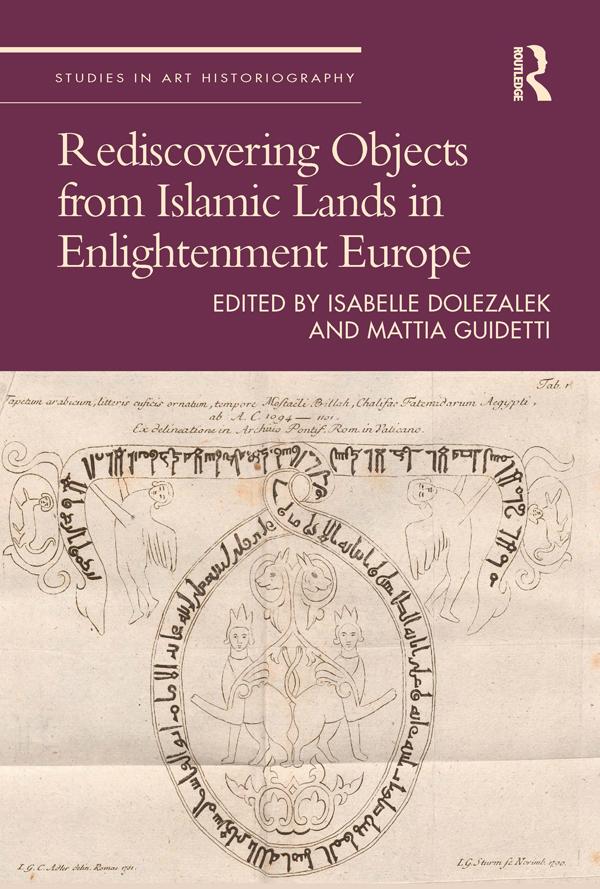
This book argues that the provenance of early modern and medieval objects from Islamic lands was largely forgotten until the "long" eighteenth century, when the first efforts were made to reconnect them with the historical contexts in which they were produced.
For the first time, these Islamicate objects were read, studied and classified – and given a new place in history. Freed by scientific interest, they were used in new ways and found new homes, including in museums. More generally, the process of "rediscovery" opened up the prehistory of the discipline of Islamic art history and had a significant impact on conceptions of cultural boundaries, differences and identity.
The book will be of interest to scholars working in the history of art, the art of the Islamic world, early modern history and art historiography.
Betal nemt med kort, Klarna, Apple Pay eller Google Pay. Ikke tilfreds? Du har altid 14 dages fortrydelsesret. Læs mere i vores vilkår. Har du spørgsmål, så send os en mail på hello@memmo.org.
Memmo gør det nemmere at studere – uanset hvor du er i verden. Hos os samler du dine kursusbøger og smarte studieværktøjer ét sted: resuméer, quizzer, podcasts og flashcards. Og så er der Ted, din studieven, der svarer på alt, du undrer dig over. Over 50 000 studerende studerer allerede her – bygget til at hjælpe dig med at lære hurtigere og stresse mindre.