
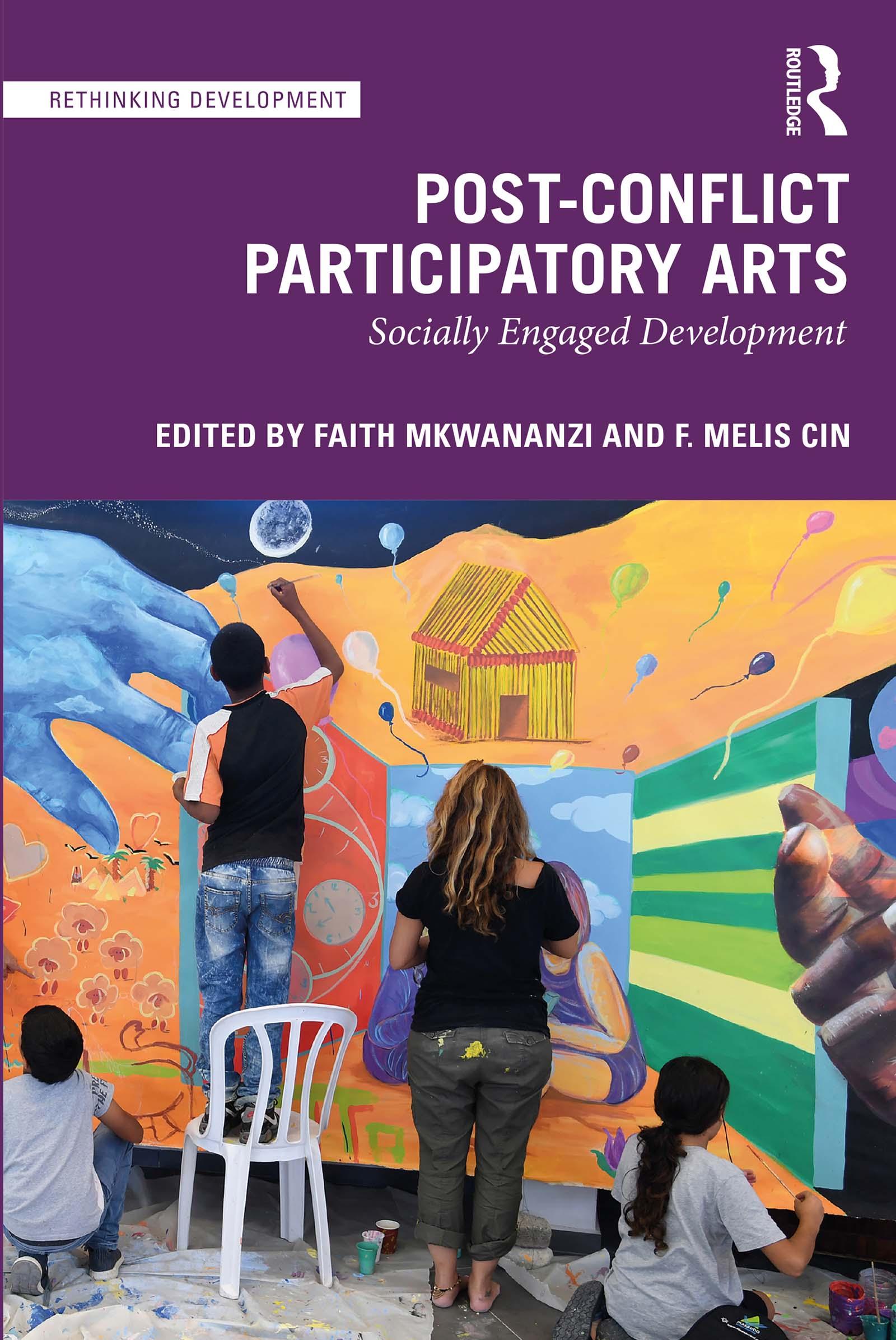
This book investigates the power of art to enhance human development and to initiate positive social change for individuals and societies recovering from conflict.
Interventions aimed at reinforcing social justice and bringing communities together after conflict are often accused of being top-down, or failing to consider all groups and contexts within a society. The use of participatory arts can help to address these challenges by fostering community engagement, social cohesion, influencing public policy, and ultimately, advancing social justice. Arts-based methods can be particularly effective at reaching youth communities, providing voice and political agency to young people who are often not given a platform. Situated at the intersection of participatory arts, social and epistemic justice, this book brings together case studies from across the world to reflect on best practice for the use of bottom-up, participatory, co-produced, and co-designed arts processes in conflict settings.
This book provides an important guide to the role that arts can play in addressing epistemic injustice and contributing to social justice and human development. As such, it will be of interest to international development and arts practitioners, policy makers, and to students and researchers across participatory arts, youth studies, international development, social justice, and peace and conflict studies.
Betal nemt med kort, Klarna, Apple Pay eller Google Pay. Ikke tilfreds? Du har altid 14 dages fortrydelsesret. Læs mere i vores vilkår. Har du spørgsmål, så send os en mail på hello@memmo.org.
Memmo gør det nemmere at studere – uanset hvor du er i verden. Hos os samler du dine kursusbøger og smarte studieværktøjer ét sted: resuméer, quizzer, podcasts og flashcards. Og så er der Ted, din studieven, der svarer på alt, du undrer dig over. Over 50 000 studerende studerer allerede her – bygget til at hjælpe dig med at lære hurtigere og stresse mindre.