
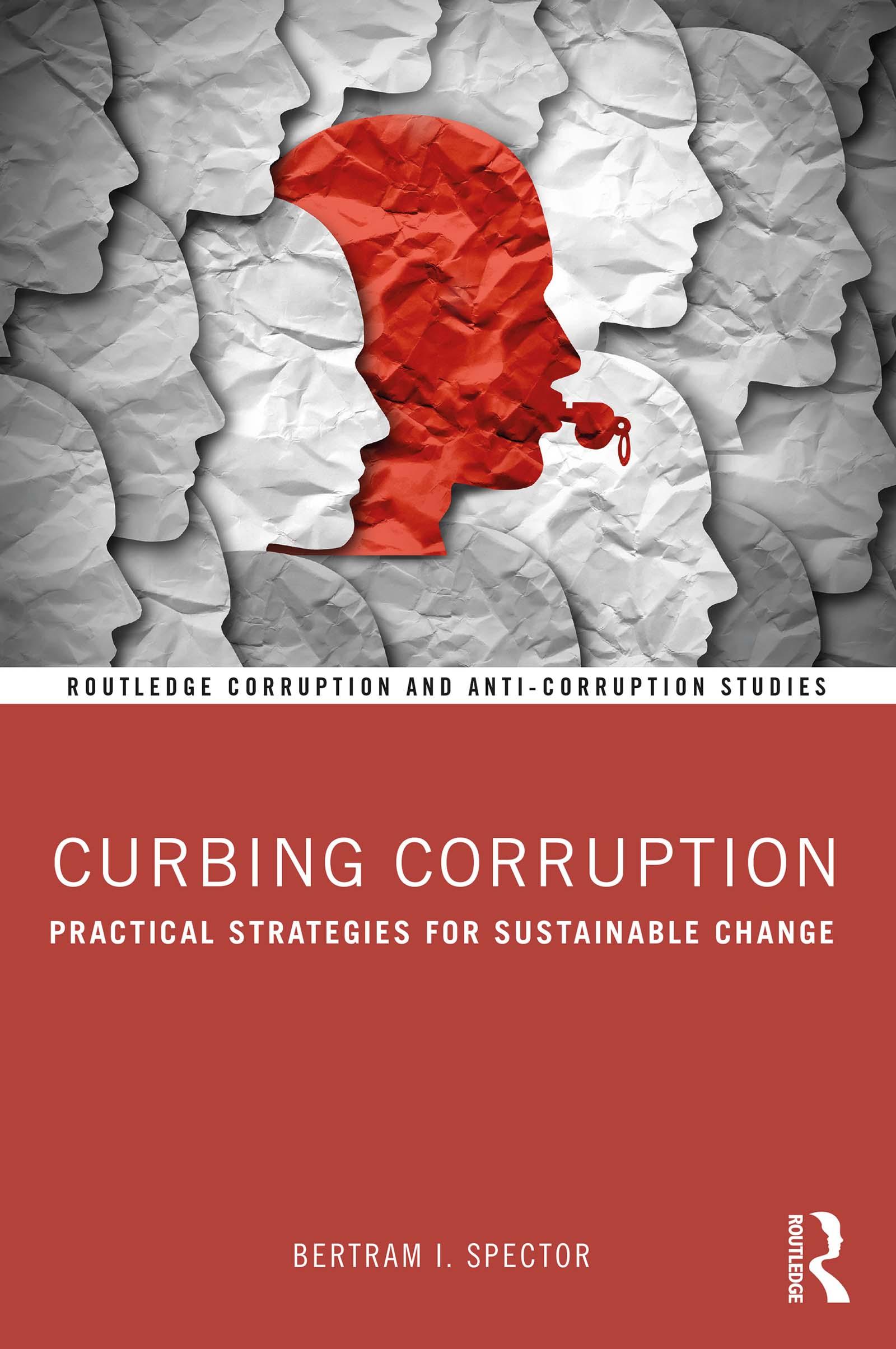
Many anti-corruption efforts have had only a minimal effect on curbing the problem of corruption. This book explains why that is, and shows readers what works in the real world in the fight against corruption, and why.
Counter-corruption initiatives often focus on the legal, institutional, and contextual factors that facilitate corrupt behavior, but these have had only nominal impacts, because most of these reforms can be circumvented by government officials, powerful citizens, and business people who are relentless in their quest for self-interest. This book argues that instead, we should target the key individual and group drivers of corrupt behavior and, through them, promote sustainable behavioral change. Drawing on over 25 years of practical experience planning, designing, and implementing anti-corruption programs in over 40 countries, as well as a wealth of insights from social psychological, ethical, and negotiation research, this book identifies innovative tools that target these core human motivators of corruption, with descriptions of pilot tests that show how they can work in practice.
Anti-corruption is again becoming a priority issue, prompted by the emergence of more authoritarian regimes, and the public scrutiny of government responses to the COVID-19 pandemic. Straddling theory and practice, this book is the perfect guide to what works and what doesn’t, and will be valuable for policymakers, NGOs, development practitioners, and corruption studies students and researchers.
Betal nemt med kort, Klarna, Apple Pay eller Google Pay. Ikke tilfreds? Du har altid 14 dages fortrydelsesret. Læs mere i vores vilkår. Har du spørgsmål, så send os en mail på hello@memmo.org.
Memmo gør det nemmere at studere – uanset hvor du er i verden. Hos os samler du dine kursusbøger og smarte studieværktøjer ét sted: resuméer, quizzer, podcasts og flashcards. Og så er der Ted, din studieven, der svarer på alt, du undrer dig over. Over 50 000 studerende studerer allerede her – bygget til at hjælpe dig med at lære hurtigere og stresse mindre.