
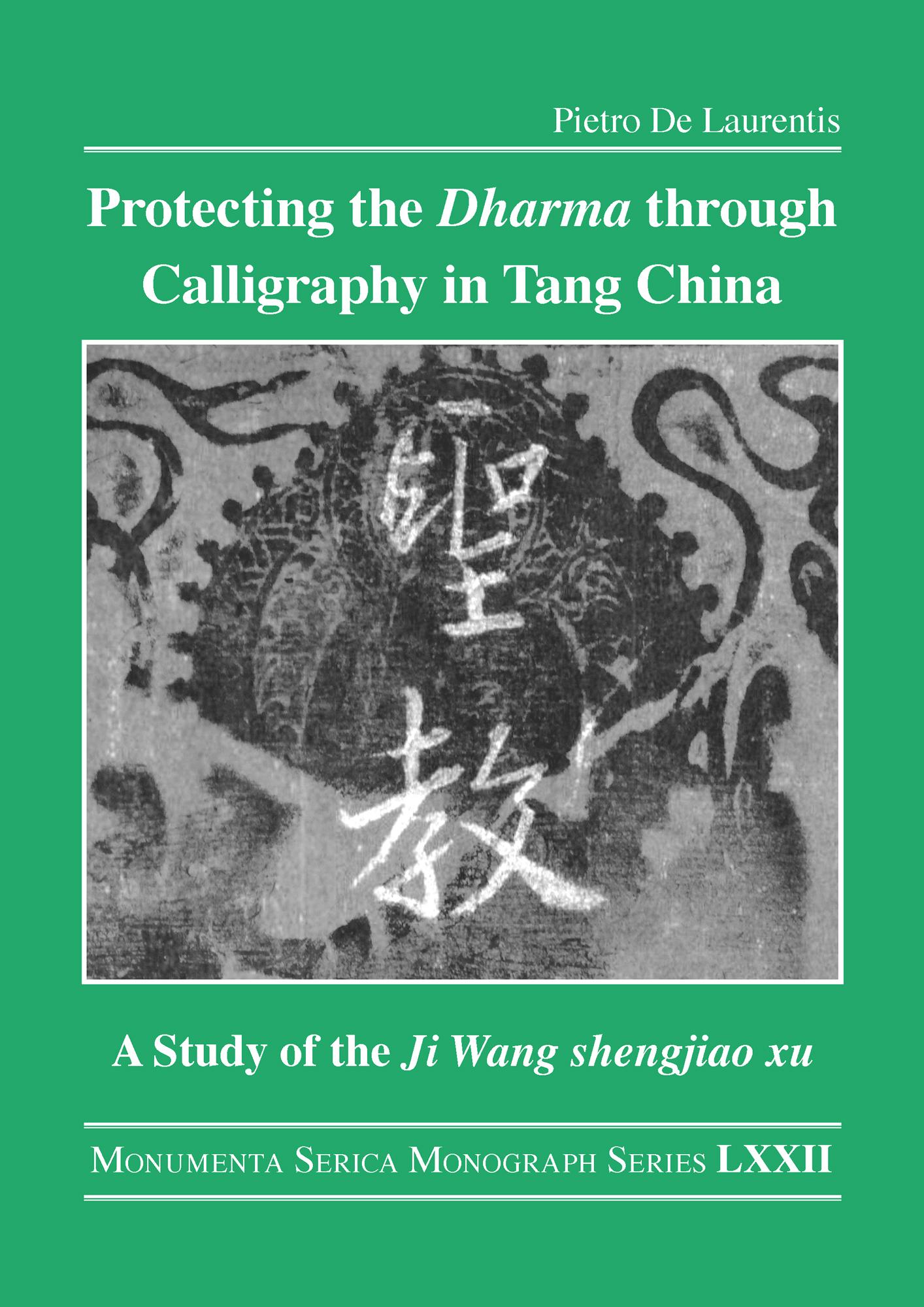
This is a study of the earliest and finest collated inscription in the history of Chinese calligraphy, the Ji Wang shengjiao xu 集王聖教序 (Preface to the Sacred Teaching Scriptures Translated by Xuanzang in Wang Xizhi’s Collated Characters), which was erected on January 1, 673. The stele records the two texts written by the Tang emperors Taizong (599–649) and Gaozong (628–683) in honor of the monk Xuanzang (d. 664) and the Buddhist scripture Xin jing (Heart Sutra), collated in the semi-cursive characters of the great master of Chinese calligraphy, Wang Xizhi (303–361). It is thus a Buddhist inscription that combines Buddhist authority, political power, and artistic charm in one single monument. The present book reconstructs the multifaceted context in which the stele was devised, aiming at highlighting the specific role calligraphy played in the propagation and protection of Buddhism in medieval China.
Betal nemt med kort, Klarna, Apple Pay eller Google Pay. Ikke tilfreds? Du har altid 14 dages fortrydelsesret. Læs mere i vores vilkår. Har du spørgsmål, så send os en mail på hello@memmo.org.
Memmo gør det nemmere at studere – uanset hvor du er i verden. Hos os samler du dine kursusbøger og smarte studieværktøjer ét sted: resuméer, quizzer, podcasts og flashcards. Og så er der Ted, din studieven, der svarer på alt, du undrer dig over. Over 50 000 studerende studerer allerede her – bygget til at hjælpe dig med at lære hurtigere og stresse mindre.