
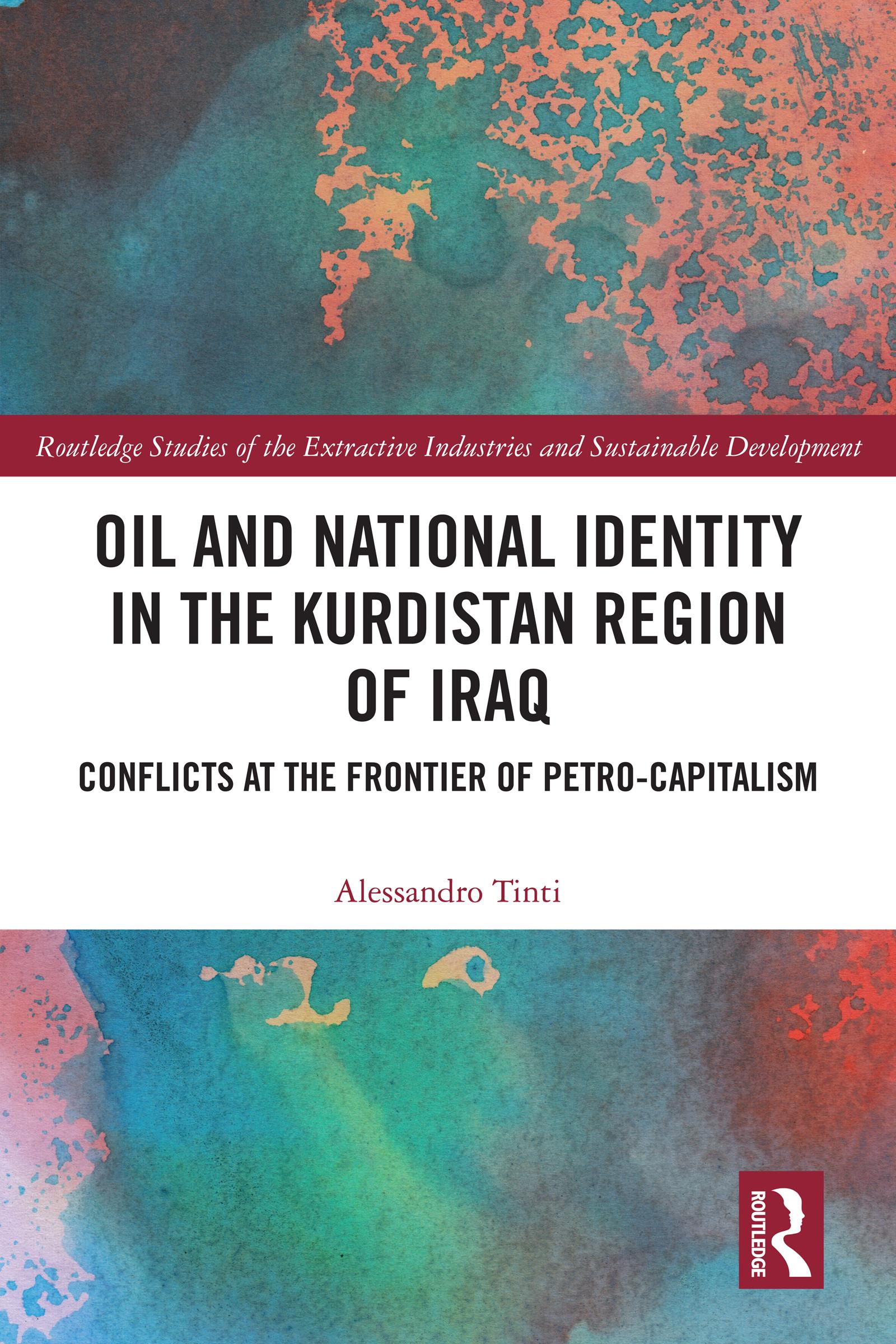
Examining the interplay between the oil economy and identity politics using the Kurdistan Region of Iraq as a case study, this book tells the untold story of how extractivism in the Kurdish autonomous region is interwoven in a mosaic of territorial disputes, simmering ethnic tensions, dynastic rule, party allegiances, crony patronage, and divergent visions about nature.
Since the ousting of Saddam Hussein, the de-facto borders of the Kurdistan Region of Iraq have repeatedly changed, with energy interests playing a major role in such processes of territorialisation. However, relatively little research exists on the topic. This book provides a timely, empirical analysis of the intersections between extractive industries, oil imaginaries, and identity formation in one of the most coveted energy frontiers worldwide. It shines a light on relations between the global production networks of petro-capitalism and extractive localities. Besides the strained federal relationship with the Iraqi central government, the transformative effects the petroleum industry has had on Kurdish society are also explored in depth. Moreover, the book fills a gap in the literature on Kurdish Studies, which has devoted scant attention to energy-related issues in the re-imagination of Kurdish self-determination.
This book will be of great interest to students and scholars of the extractive industries, energy studies, conflict studies, Middle Eastern politics, and political ecology.
Betal nemt med kort, Klarna, Apple Pay eller Google Pay. Ikke tilfreds? Du har altid 14 dages fortrydelsesret. Læs mere i vores vilkår. Har du spørgsmål, så send os en mail på hello@memmo.org.
Memmo gør det nemmere at studere – uanset hvor du er i verden. Hos os samler du dine kursusbøger og smarte studieværktøjer ét sted: resuméer, quizzer, podcasts og flashcards. Og så er der Ted, din studieven, der svarer på alt, du undrer dig over. Over 50 000 studerende studerer allerede her – bygget til at hjælpe dig med at lære hurtigere og stresse mindre.