
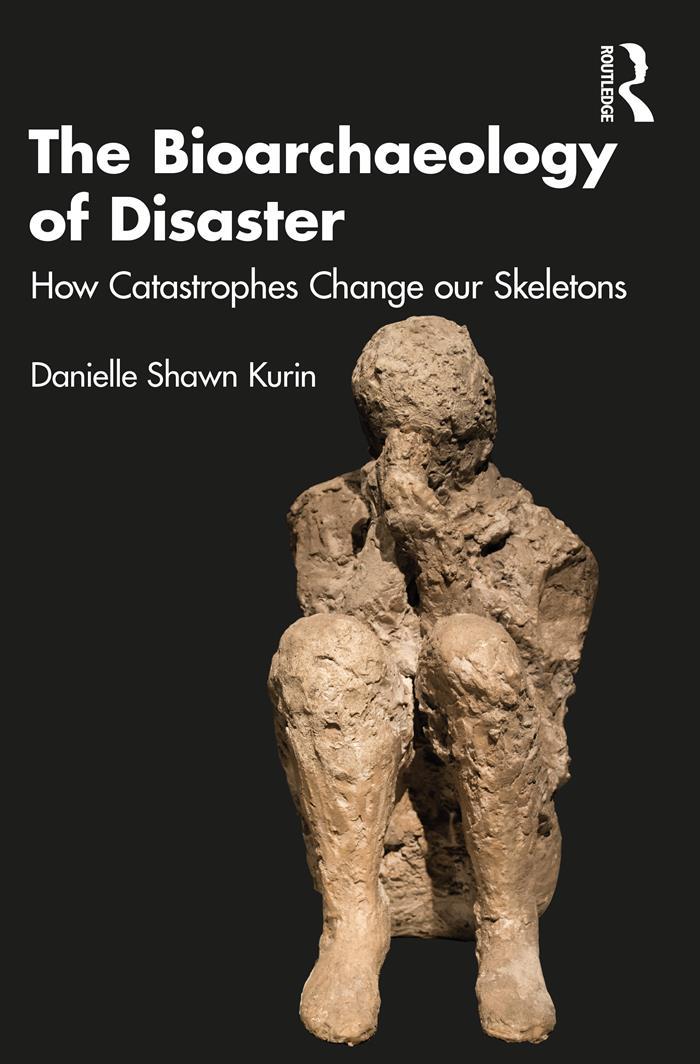
The Bioarchaeology of Disaster examines two dozen disasters occurring around the world over the past 2000 years, ranging from natural and environmental disasters to human conflict and warfare, from epidemics to those of social marginalization—all from a bioarchaeological and forensic anthropological perspective.
Each case study provides the social, cultural, historical and ecological context of the disaster and then analyzes evidence of human and related remains in order to better understand the identities of victims, the means, processes, and extent of deaths and injuries. The methods used by specialists to interpret evidence and disagreements among experts are also addressed. It will be helpful in understanding the circumstances of a range of disasters and the multidisciplinary ways in which bioarchaeologists employ empirical methods and analytic frameworks to interpret their impacts and consequences.
The book is intended for those in the social and biological sciences, particularly archaeology, forensics, history and ethnography. It will also be of interest to those in medical history and epidemiology, ecological studies, and those involved in disaster response, law enforcement and human rights work.
Betal nemt med kort, Klarna, Apple Pay eller Google Pay. Ikke tilfreds? Du har altid 14 dages fortrydelsesret. Læs mere i vores vilkår. Har du spørgsmål, så send os en mail på hello@memmo.org.
Memmo gør det nemmere at studere – uanset hvor du er i verden. Hos os samler du dine kursusbøger og smarte studieværktøjer ét sted: resuméer, quizzer, podcasts og flashcards. Og så er der Ted, din studieven, der svarer på alt, du undrer dig over. Over 50 000 studerende studerer allerede her – bygget til at hjælpe dig med at lære hurtigere og stresse mindre.