
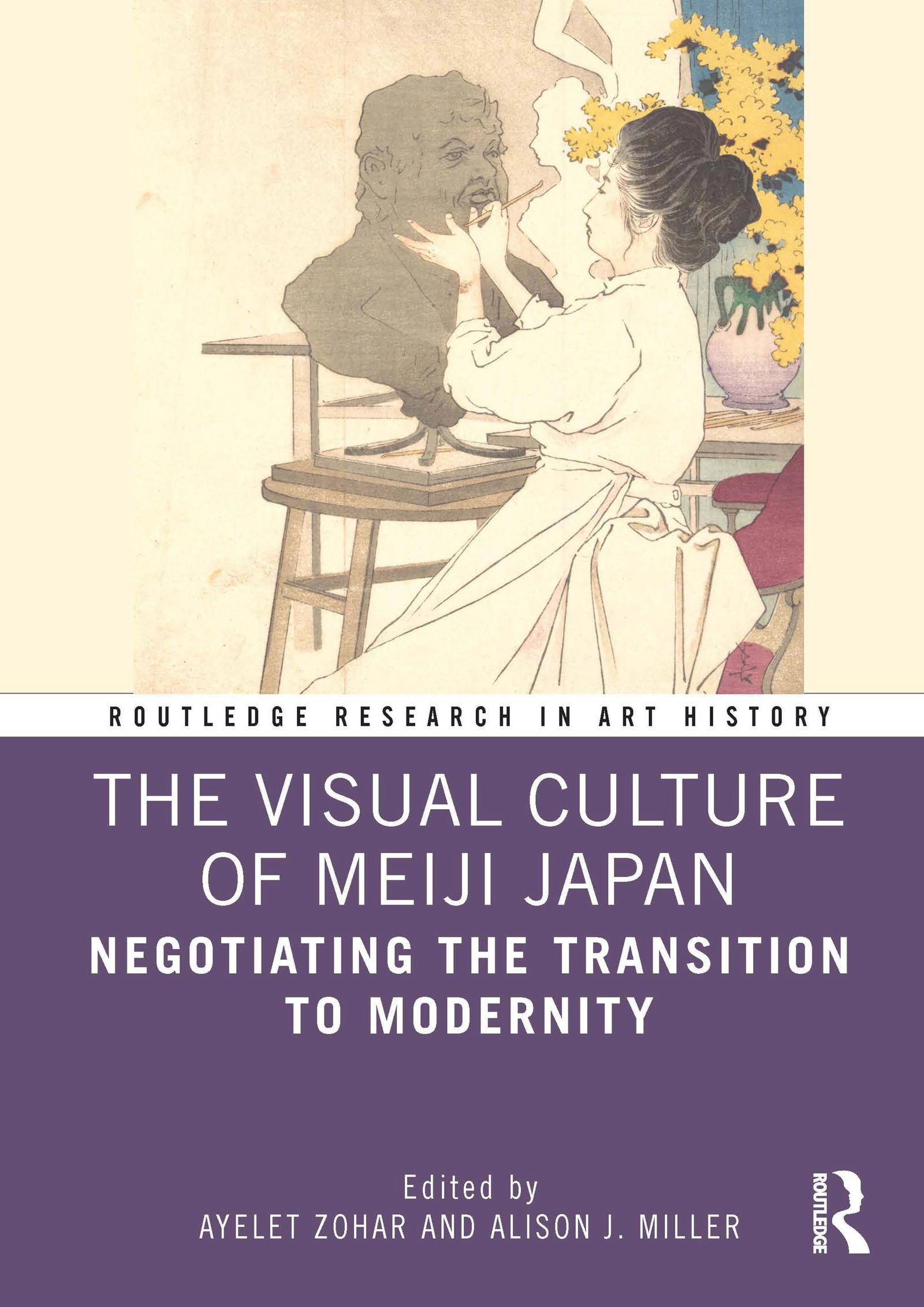
This volume examines the visual culture of Japan’s transition to modernity, from 1868 to the first decades of the twentieth century.
Through this important moment in Japanese history, contributors reflect on Japan’s transcultural artistic imagination vis-a-vis the discernment, negotiation, assimilation, and assemblage of diverse aesthetic concepts and visual pursuits. The collected chapters show how new cultural notions were partially modified and integrated to become the artistic methods of modern Japan, based on the hybridization of major ideologies, visualities, technologies, productions, formulations, and modes of representation. The book presents case studies of creative transformation demonstrating how new concepts and methods were perceived and altered to match views and theories prevalent in Meiji Japan, and by what means different practitioners negotiated between their existing skills and the knowledge generated from incoming ideas to create innovative modes of practice and representation that reflected the specificity of modern Japanese artistic circumstances.
The book will be of interest to scholars working in art history, Japanese studies, Asian studies, and Japanese history, as well as those who use approaches and methods related to globalization, cross-cultural studies, transcultural exchange, and interdisciplinary studies.
Betal nemt med kort, Klarna, Apple Pay eller Google Pay. Ikke tilfreds? Du har altid 14 dages fortrydelsesret. Læs mere i vores vilkår. Har du spørgsmål, så send os en mail på hello@memmo.org.
Memmo gør det nemmere at studere – uanset hvor du er i verden. Hos os samler du dine kursusbøger og smarte studieværktøjer ét sted: resuméer, quizzer, podcasts og flashcards. Og så er der Ted, din studieven, der svarer på alt, du undrer dig over. Over 50 000 studerende studerer allerede her – bygget til at hjælpe dig med at lære hurtigere og stresse mindre.