
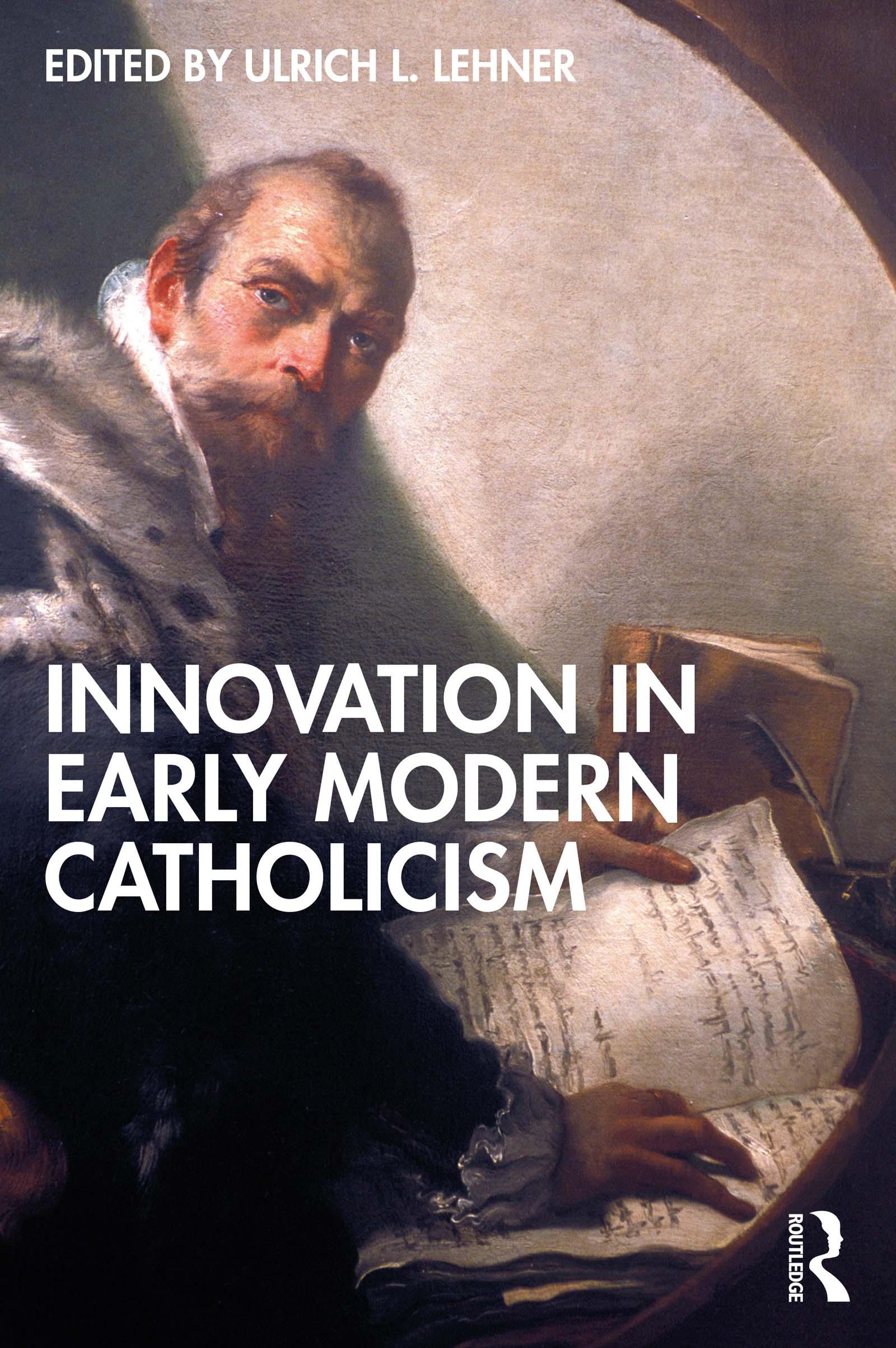
This volume demonstrates that the Catholic rhetoric of tradition disguised both novelties and creative innovations between 1550 and 1700.
Innovation in Early Modern Catholicism reveals that the period between 1550 and 1700 emerged as an intellectually vibrant atmosphere, shaped by the tensions between personal creativity and magisterial authority. The essays explore ideas about grace, physical predetermination, freedom, and probabilism in order to show how the rhetoric of innovation and tradition can be better understood. More importantly, contributors illustrate how disintegrated historiographies, which often excluded Catholicism as a source of innovation, can be overcome. Not only were new systems of metaphysics crafted in the early modern period, but so too was a new conceptual language to deal with the pressing problems of human freedom and grace, natural law, and Marian piety. Overall, the volume shines significant light on hitherto neglected or misunderstood traits in the understanding of early modern Catholic culture.
Re-presenting early modern Catholicism more crucially than any other currently available study, Innovation in Early Modern Catholicism is a useful tool for advanced undergraduates, postgraduates, and scholars in the fields of philosophy, early modern studies, and the history of theology.
Betal nemt med kort, Klarna, Apple Pay eller Google Pay. Ikke tilfreds? Du har altid 14 dages fortrydelsesret. Læs mere i vores vilkår. Har du spørgsmål, så send os en mail på hello@memmo.org.
Memmo gør det nemmere at studere – uanset hvor du er i verden. Hos os samler du dine kursusbøger og smarte studieværktøjer ét sted: resuméer, quizzer, podcasts og flashcards. Og så er der Ted, din studieven, der svarer på alt, du undrer dig over. Over 50 000 studerende studerer allerede her – bygget til at hjælpe dig med at lære hurtigere og stresse mindre.