
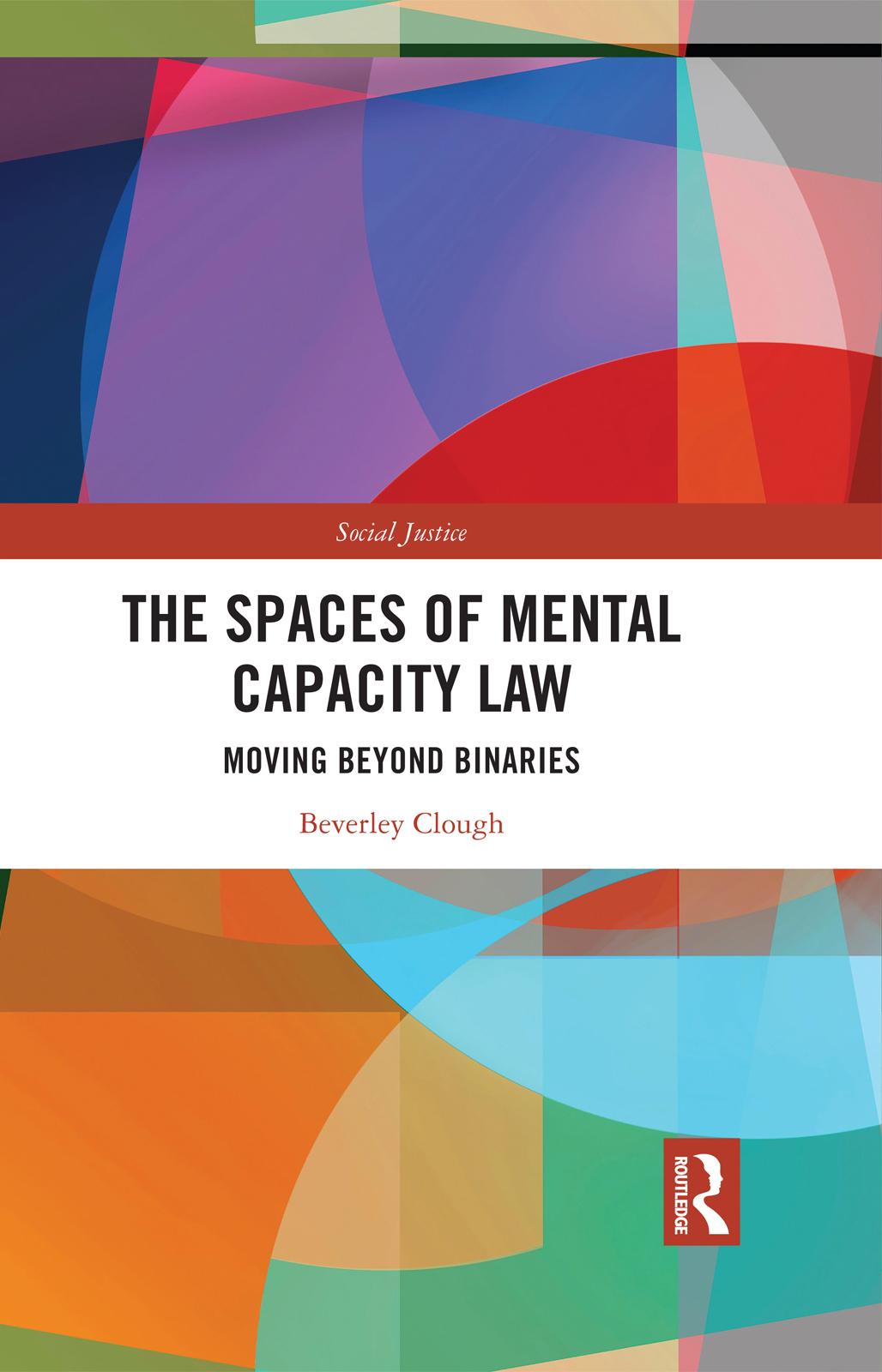
This book explores the conceptual spaces and socio-legal context which mental capacity laws inhabit. It will be seen that these norms are created and reproduced through the binaries that pervade mental capacity laws in liberal legal jurisdictions- such as capacity/incapacity; autonomy/paternalism; empowerment/protection; carer/cared-for; disabled/non-disabled; public/private. Whilst on one level the book demonstrates the pervasive reach of laws questioning individuals mental capacity, within and beyond the medical context which it is most commonly associated with, at a deeper and perhaps more important level it challenges the underlying norms and assumptions underpinning the very idea of mental capacity, and reflects outwards on the transformative potential of these realisations for other areas of law. In doing so, whilst the book offers lessons for mental capacity law scholarship in terms of reform efforts at both domestic and internationals levels, it also offers ways to develop our understandings of a range of linked legal, policy and theoretical concepts. In so doing, it offers new critical vantage points for both legal critique and conceptual change beyond mental capacity law.
The book will be of interest to researchers in mental capacity law, disability law and socio-legal studies as well as critical geographers and disability studies scholars.
Betal nemt med kort, Klarna, Apple Pay eller Google Pay. Ikke tilfreds? Du har altid 14 dages fortrydelsesret. Læs mere i vores vilkår. Har du spørgsmål, så send os en mail på hello@memmo.org.
Memmo gør det nemmere at studere – uanset hvor du er i verden. Hos os samler du dine kursusbøger og smarte studieværktøjer ét sted: resuméer, quizzer, podcasts og flashcards. Og så er der Ted, din studieven, der svarer på alt, du undrer dig over. Over 50 000 studerende studerer allerede her – bygget til at hjælpe dig med at lære hurtigere og stresse mindre.