
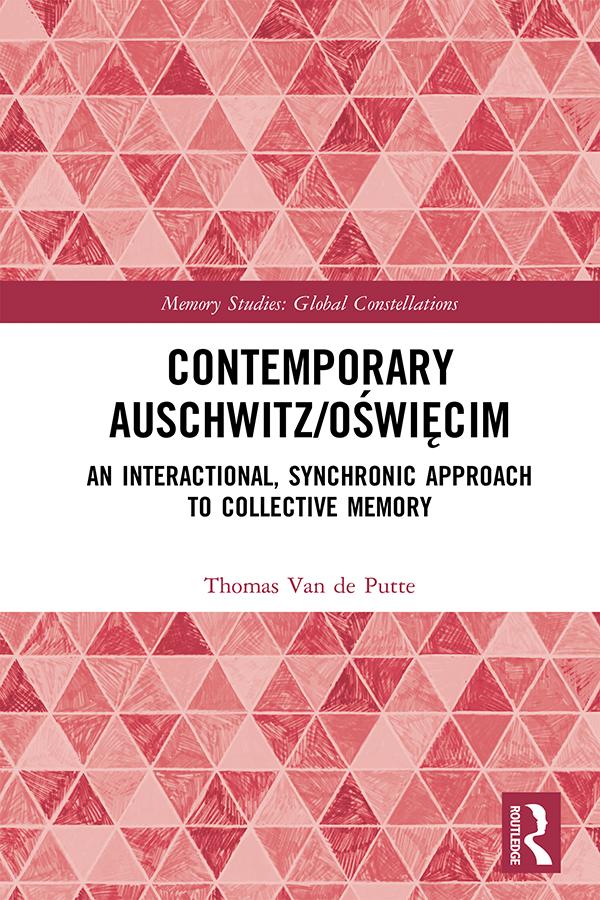
This book presents an innovative theoretical and empirical approach to the present attributions of meaning to the past. Based on the author’s fieldwork in the contemporary Polish town of Oświęcim – Auschwitz, in German – it observes the manner in which residents remember and narrate the past of their town, drawing on theoretical perspectives from the work of figures such as George Herbert Mead and Erving Goffman. With attention to narratives concerning pre-war Catholic–Jewish coexistence, wartime Nazi occupation, the Holocaust and post-war Communist Poland, the author explores the complementary, fluid and contradictory nature of meaning-making processes in various contemporary interactional contexts, both online and offline. As such, it will appeal to social scientists with interests in memory studies, the Holocaust and interactional sociology.
Betal nemt med kort, Klarna, Apple Pay eller Google Pay. Ikke tilfreds? Du har altid 14 dages fortrydelsesret. Læs mere i vores vilkår. Har du spørgsmål, så send os en mail på hello@memmo.org.
Memmo gør det nemmere at studere – uanset hvor du er i verden. Hos os samler du dine kursusbøger og smarte studieværktøjer ét sted: resuméer, quizzer, podcasts og flashcards. Og så er der Ted, din studieven, der svarer på alt, du undrer dig over. Over 50 000 studerende studerer allerede her – bygget til at hjælpe dig med at lære hurtigere og stresse mindre.