
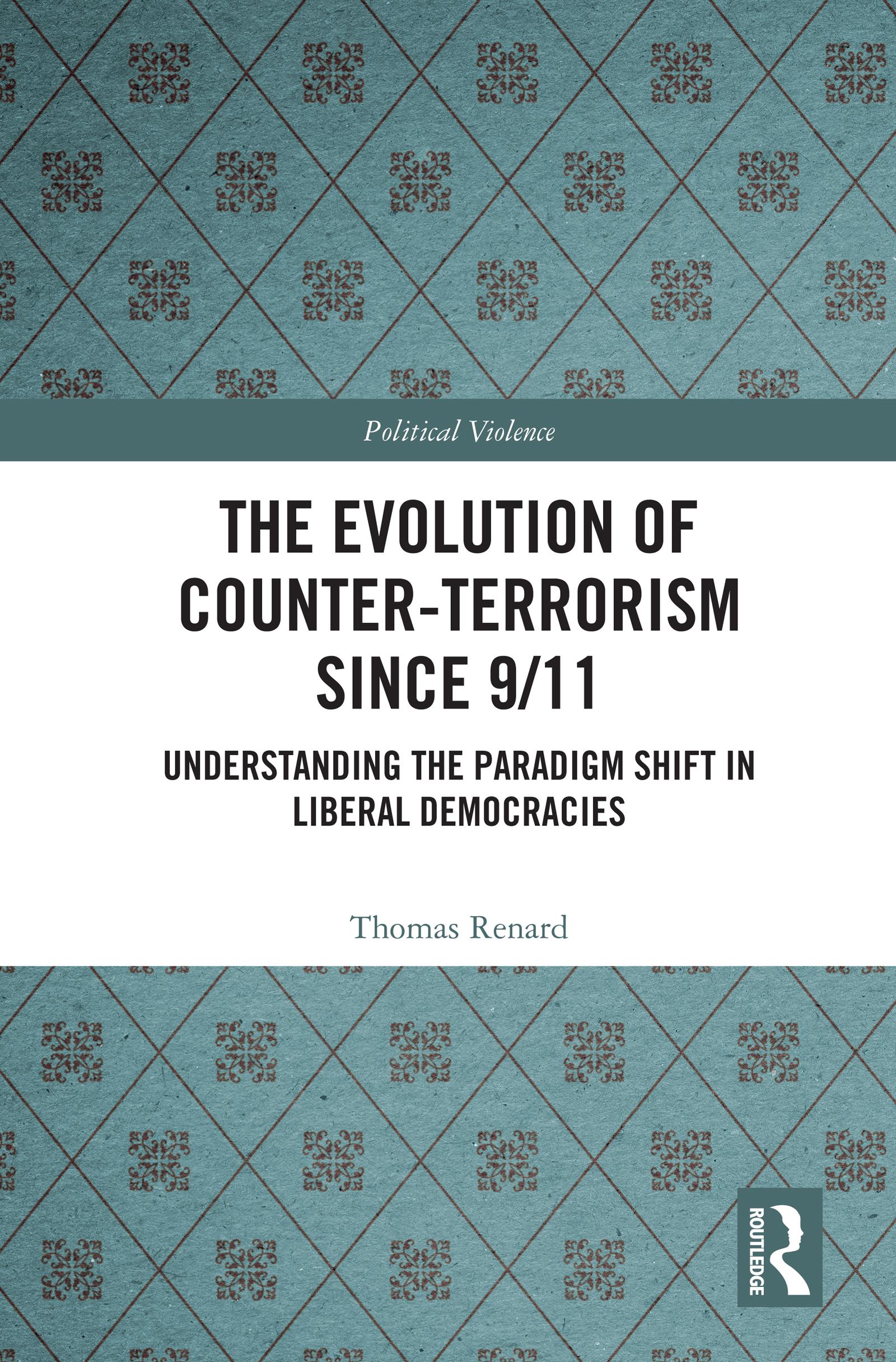
This book examines the evolution of counter-terrorism (CT) policies in liberal democracies since 2001, with a specific focus on the case of Belgium.
What is counter-terrorism (CT)? While the answer to this question may seem self-evident, it has become quite complicated to define the contours of a field that has expanded dramatically in the two decades since the 9/11 attacks. The development of "softer" policies, dealing with the prevention of radicalisation, has blurred the limits of CT.
Through the use of public policy theory and an in-depth case study on Belgium, the book identifies the key factors influencing CT policy-making, both domestically and internationally, and offers an explanation for the development of a more comprehensive CT agenda across Europe. It provides an innovative theoretical approach and is also based on extensive interviews with key counter-terrorism officials and analysis of key policy documents. The book concludes by identifying some key drivers of change and offers an embryonic theory of CT policy-making.
The book will be of much interest to students and practitioners of counter-terrorism, radicalisation, European politics and security studies.
Betal nemt med kort, Klarna, Apple Pay eller Google Pay. Ikke tilfreds? Du har altid 14 dages fortrydelsesret. Læs mere i vores vilkår. Har du spørgsmål, så send os en mail på hello@memmo.org.
Memmo gør det nemmere at studere – uanset hvor du er i verden. Hos os samler du dine kursusbøger og smarte studieværktøjer ét sted: resuméer, quizzer, podcasts og flashcards. Og så er der Ted, din studieven, der svarer på alt, du undrer dig over. Over 50 000 studerende studerer allerede her – bygget til at hjælpe dig med at lære hurtigere og stresse mindre.