
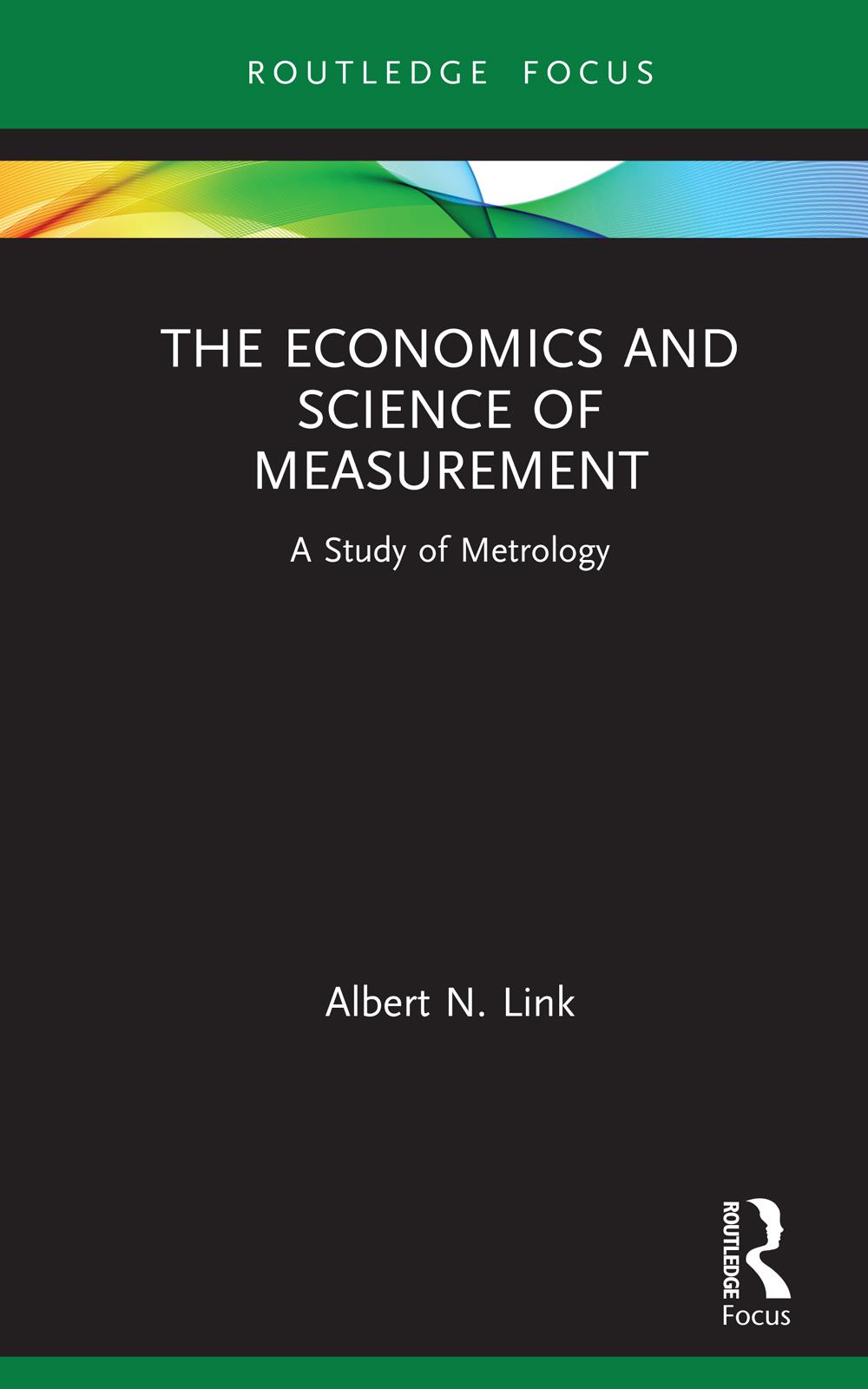
Metrology is the study of measurement science. Although classical economists have emphasized the importance of measurement per se, the majority of economics-based writings on the topic have taken the form of government reports related to the activities of specific national metrology laboratories. This book is the first systematic study of measurement activity at a national metrology laboratory, and the laboratory studied is the U.S. National Institute of Standards and Technology (NIST) within the U.S. Department of Commerce.
The primary objective of the book is to emphasize for academic and policy audiences the economic importance of measurement not only as an area of study but also as a tool for sustaining technological advancement as an element of economic growth. Toward this goal, the book offers an overview of the economic benefits and consequences of measurement standards; an argument for public sector support of measurement standards; a historical perspective of the measurement activities at NIST; an empirical analysis of one particular measurement activity at NIST, namely calibration testing; and a roadmap for future research on the economics of metrology.
Betal nemt med kort, Klarna, Apple Pay eller Google Pay. Ikke tilfreds? Du har altid 14 dages fortrydelsesret. Læs mere i vores vilkår. Har du spørgsmål, så send os en mail på hello@memmo.org.
Memmo gør det nemmere at studere – uanset hvor du er i verden. Hos os samler du dine kursusbøger og smarte studieværktøjer ét sted: resuméer, quizzer, podcasts og flashcards. Og så er der Ted, din studieven, der svarer på alt, du undrer dig over. Over 50 000 studerende studerer allerede her – bygget til at hjælpe dig med at lære hurtigere og stresse mindre.