
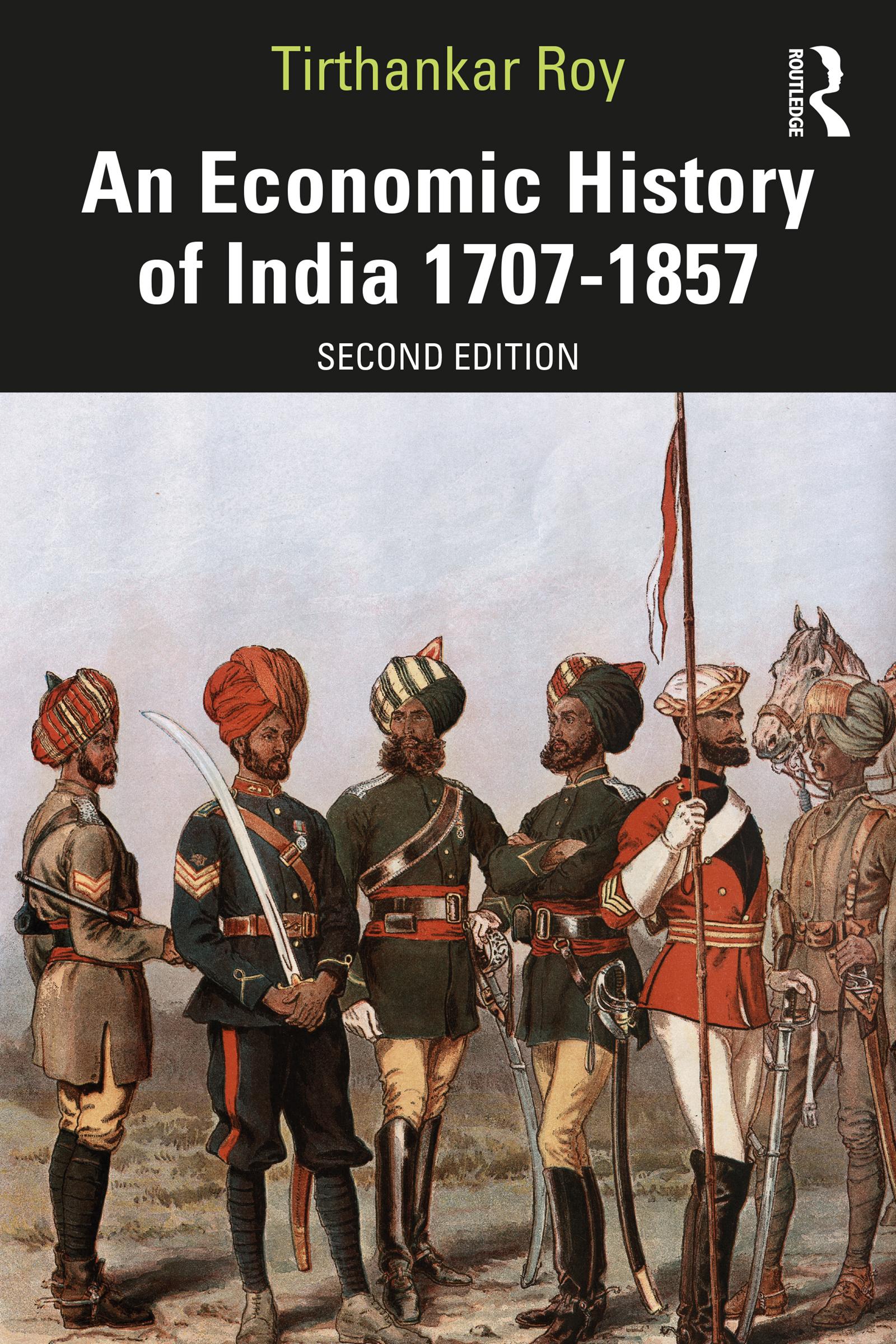
This new edition of An Economic History of Early Modern India extends the timespan of the analysis to incorporate further research. This allows for a more detailed discussion of the rise of the British Empire in South Asia and gives a fuller context for the historiography.
In the years between the death of the emperor Aurangzeb (1707) and the Great Rebellion (1857), the Mughal Empire and the states that rose from its ashes declined in wealth and power, and a British Empire emerged in South Asia. This book asks three key questions about the transition. Why did it happen? What did it mean? How did it shape economic change? The book shows that during these years, a merchant-friendly regime among warlord-ruled states emerged and state structure transformed to allow taxes and military capacity to be held by one central power, the British East India Company. The author demonstrates that the fall of warlord-ruled states and the empowerment of the merchant, in consequence, shaped the course of Indian and world economic history.
Reconstructing South Asia’s transition, starting with the Mughal Empire’s collapse and ending with the great rebellion of 1857, this book is the first systematic account of the economic history of early modern India. It is an essential reference for students and scholars of Economics and South Asian History.
Betal nemt med kort, Klarna, Apple Pay eller Google Pay. Ikke tilfreds? Du har altid 14 dages fortrydelsesret. Læs mere i vores vilkår. Har du spørgsmål, så send os en mail på hello@memmo.org.
Memmo gør det nemmere at studere – uanset hvor du er i verden. Hos os samler du dine kursusbøger og smarte studieværktøjer ét sted: resuméer, quizzer, podcasts og flashcards. Og så er der Ted, din studieven, der svarer på alt, du undrer dig over. Over 50 000 studerende studerer allerede her – bygget til at hjælpe dig med at lære hurtigere og stresse mindre.