
In the 1980s, U.S. officials adopted tax and monetary policies that channeled huge new resources into Wall Street, which fueled a stock market boom. To increase profits and payouts to investors as stock prices soared, corporate managers consolidated businesses, outsourced manufacturing to low-wage countries, and adopted new technologies to increase productivity. Government officials then facilitated mergers and negotiated free trade agreements to speed the process of globalization. Wall Street became an engine of capital accumulation and a force for global change.
These developments resulted in massive job losses and stagnant wages for most Americans. Meanwhile, tax cuts and the stock market boom created vast new wealth for the rich, and the top 10 percent seized 50 percent of all income in the United States. The result was growing economic inequality.
During the decades that followed, globalization triggered regional economic crises, toppled governments, transformed societies, galvanized economic development in China, and created new forms of wealth and inequality around the world. Then in 2008, a financial crisis rooted in Wall Street triggered the Great Recession, wrecked the legitimacy of globalization as a development strategy, and unleashed populist or "restrictionist" social movements and political parties that challenged globalization and attacked its economic and political foundations.
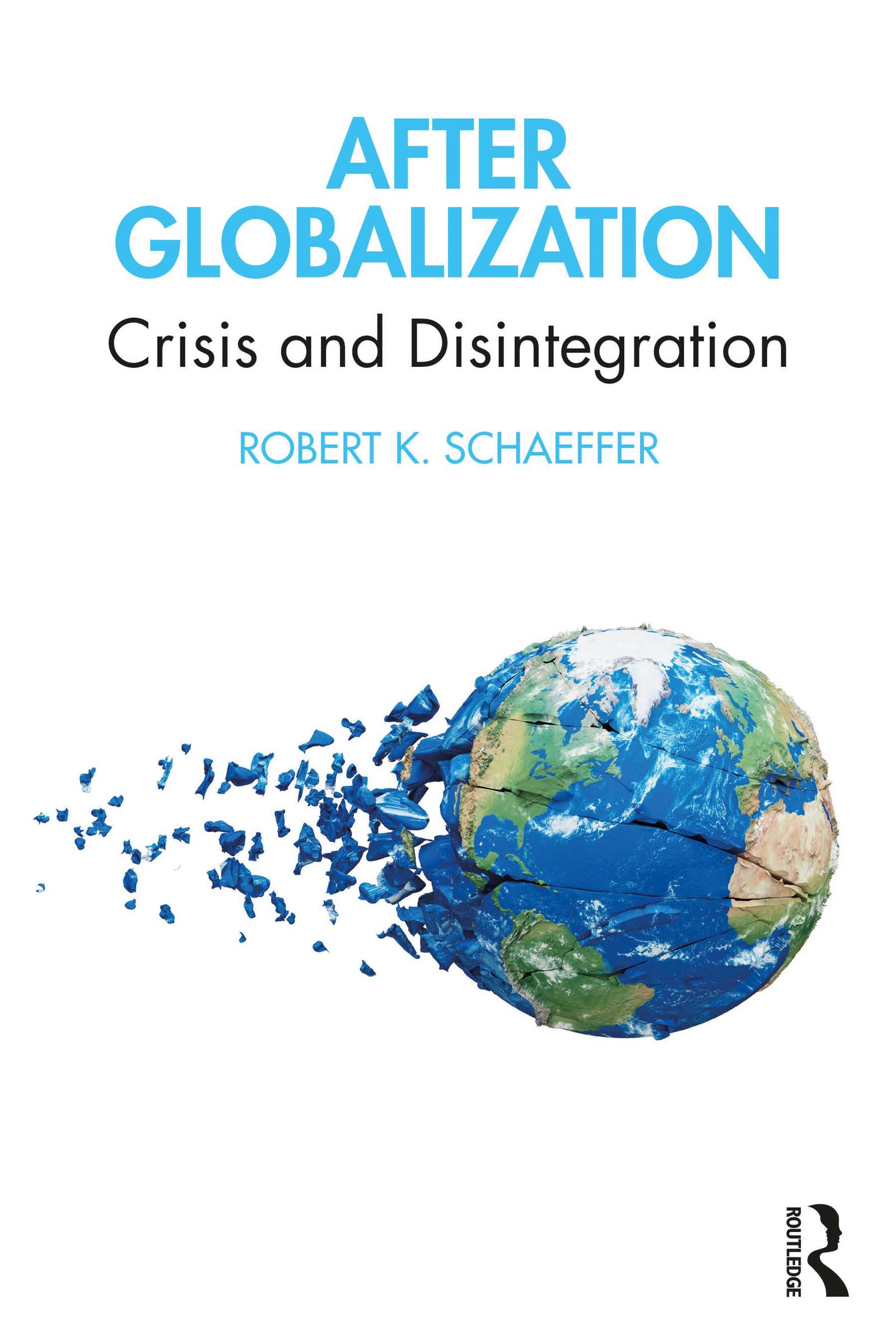
This book examines the origins of globalization in the 1980s, the developments that triggered the Great Recession, and the political and economic forces that contributed to the disintegration of globalization as a force for change in the modern world. After Globalization explains what happened—and what comes next.
Betal nemt med kort, Klarna, Apple Pay eller Google Pay. Ikke tilfreds? Du har altid 14 dages fortrydelsesret. Læs mere i vores vilkår. Har du spørgsmål, så send os en mail på hello@memmo.org.
Memmo gør det nemmere at studere – uanset hvor du er i verden. Hos os samler du dine kursusbøger og smarte studieværktøjer ét sted: resuméer, quizzer, podcasts og flashcards. Og så er der Ted, din studieven, der svarer på alt, du undrer dig over. Over 50 000 studerende studerer allerede her – bygget til at hjælpe dig med at lære hurtigere og stresse mindre.