
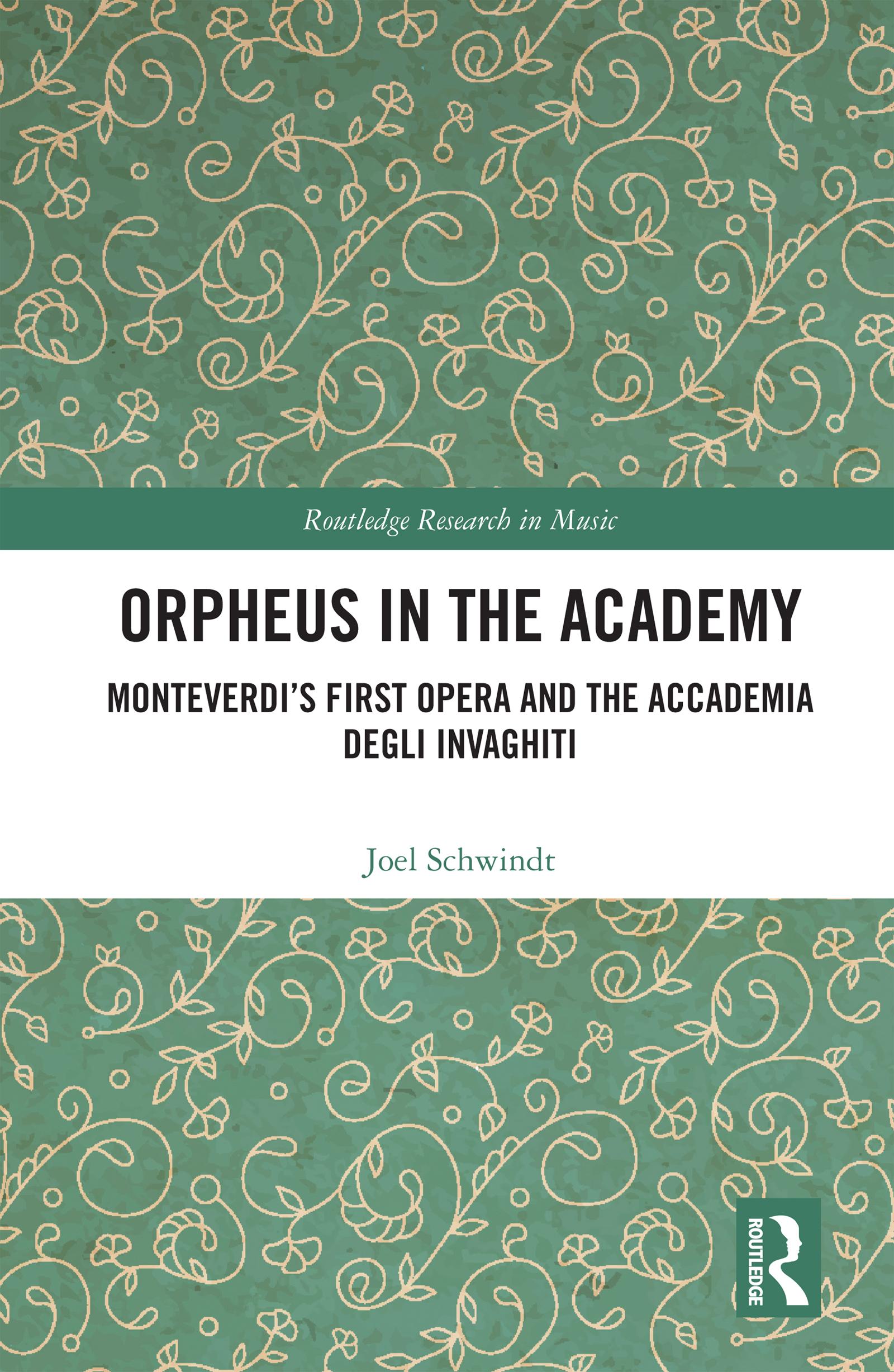
This book introduces a new perspective on Claudio Monteverdi's Orfeo (1607), a work widely regarded as the 'first great opera', by exploring the influence of the Mantuan Accademia deglia Invaghiti, the group which hosted the opera’s performance, and to which the libretto author, Alessandro Striggio the Younger, belonged. Arguing that the Invaghiti played a key role in shaping the development of Orfeo, the author explores the philosophical underpinnings of the Invaghiti and Italian academies of the era. Drawing on new primary sources, he shows how the Invaghiti’s ideas about literature, dramaturgy, music, gender, and aesthetics were engaged and contested in the creation and staging of Orfeo. Relevant to researchers of music history, performance, and Renaissance and Baroque Italy, this study sheds new light on Monteverdi’s opera as an intellectual and philosophical work.
Betal nemt med kort, Klarna, Apple Pay eller Google Pay. Ikke tilfreds? Du har altid 14 dages fortrydelsesret. Læs mere i vores vilkår. Har du spørgsmål, så send os en mail på hello@memmo.org.
Memmo gør det nemmere at studere – uanset hvor du er i verden. Hos os samler du dine kursusbøger og smarte studieværktøjer ét sted: resuméer, quizzer, podcasts og flashcards. Og så er der Ted, din studieven, der svarer på alt, du undrer dig over. Over 50 000 studerende studerer allerede her – bygget til at hjælpe dig med at lære hurtigere og stresse mindre.