
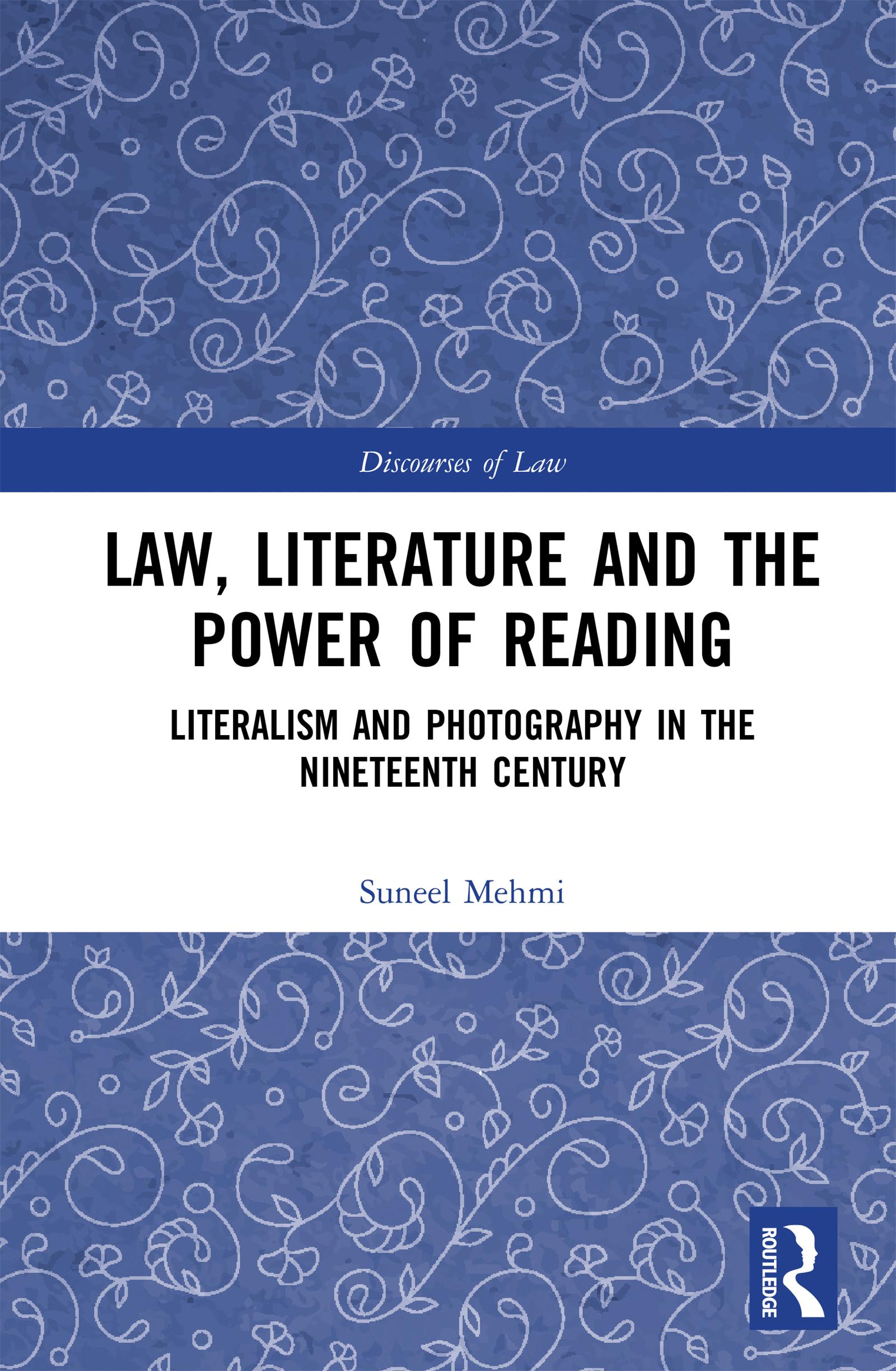
At the intersection of law, literature and history, this book interrogates how a dominant contemporary idea of law emerged out of specific ideas of reading in the nineteenth century. Reading shapes our identities. How we read shapes who we are. Reading also shapes our conceptions of what the law is, because the law is also a practice of reading. Focusing on the works of key Victorian writers closely associated with legal practice, this book addresses the way in which the identity of the reader of law has been modelled on the identity of the political elite. At the same time, it shows how other readers of law have been marginalised. The book thus shows how a construction of the law has emerged from the ordering of a power that discriminates between different readers and readings. More specifically, and in response to the emerging media of photography – and, with it, potentially subversive ideas of exposure and visibility – the book shows that there have been dominant, hidden and unrecognised guides to legal reading and to legal thought. And in making these visible, the book also aims to make them contestable. This secret history of law will appeal to legal historians, legal theorists, those working at the intersection of law and literature and others with interests in law and the visual.
Betal nemt med kort, Klarna, Apple Pay eller Google Pay. Ikke tilfreds? Du har altid 14 dages fortrydelsesret. Læs mere i vores vilkår. Har du spørgsmål, så send os en mail på hello@memmo.org.
Memmo gør det nemmere at studere – uanset hvor du er i verden. Hos os samler du dine kursusbøger og smarte studieværktøjer ét sted: resuméer, quizzer, podcasts og flashcards. Og så er der Ted, din studieven, der svarer på alt, du undrer dig over. Over 50 000 studerende studerer allerede her – bygget til at hjælpe dig med at lære hurtigere og stresse mindre.
Du kan måske også lide
Køb bogen0