
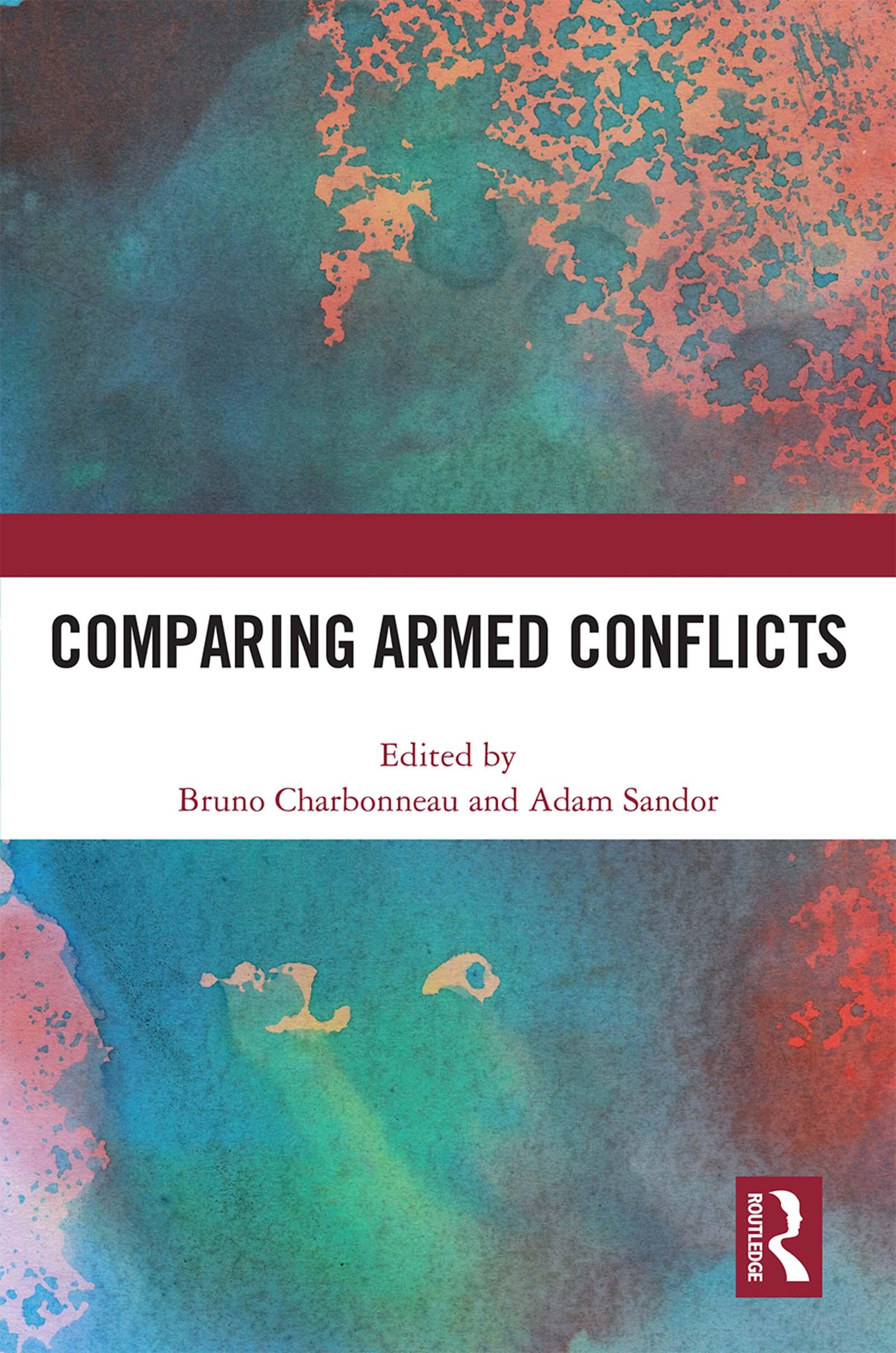
Comparing armed conflicts primes the production of categories that, when mobilized, can alter the trajectories of the conflicts. Considering the political dynamism of spaces of conflict and intervention, and that practitioners regularly seek out academic expertise, this book discusses the possibilities and limits of comparative approaches to understanding armed conflict and intervention.
Capacity-building experts, development workers, international organizations, and diplomats use their previous experiences and bring them into new contexts to understand and respond to their environment. Conflict actors can also make comparisons to buttress their political position in negotiations, consolidate their control over fighters, and as calls for transnational rebel solidarity. The use of such comparisons is an inherently political move and it has an impact on the production of scientific knowledge, on conflict dynamics themselves, and on the formulation and implementation of conflict management policy: comparison is inherently a practice of order-making. While there are important epistemological and methodological stakes associated with researchers engaging in comparison, there are also important productive effects connected to the research avenues taken.
The chapters in this book were originally published in the Civil Wars.
Betal nemt med kort, Klarna, Apple Pay eller Google Pay. Ikke tilfreds? Du har altid 14 dages fortrydelsesret. Læs mere i vores vilkår. Har du spørgsmål, så send os en mail på hello@memmo.org.
Memmo gør det nemmere at studere – uanset hvor du er i verden. Hos os samler du dine kursusbøger og smarte studieværktøjer ét sted: resuméer, quizzer, podcasts og flashcards. Og så er der Ted, din studieven, der svarer på alt, du undrer dig over. Over 50 000 studerende studerer allerede her – bygget til at hjælpe dig med at lære hurtigere og stresse mindre.