
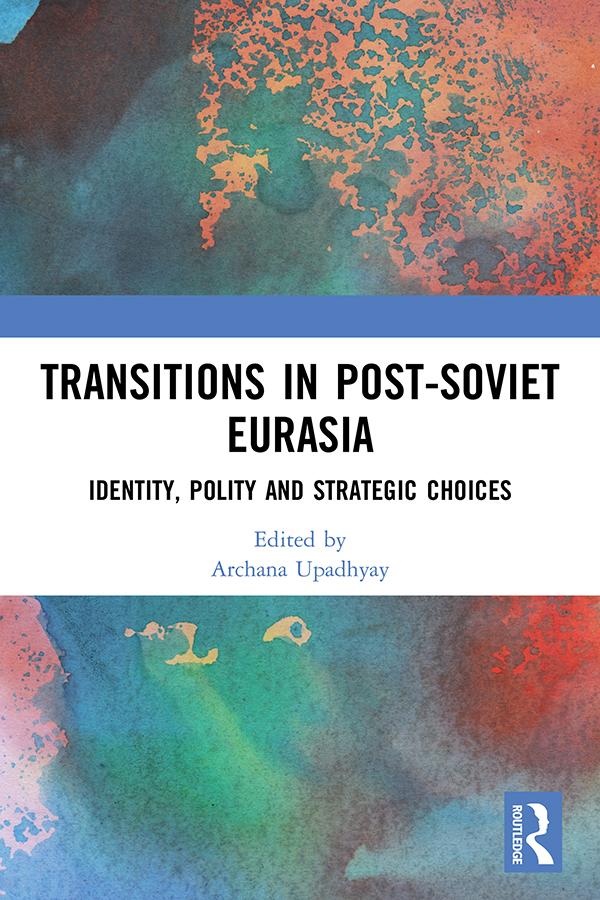
This book discusses the ideological and historical relevance of the term ‘Eurasia’ as a concept in the global geopolitical and ethno-cultural discourse. It focuses on the contested meanings attached to the idea and traces its historical evolution and interpretations.
The volume examines the contours and characteristics of power politics in the Eurasian landscape by exploring the dynamics of the contending and competing interests that have come to occupy the region, particularly in the aftermath of the disintegration of the Soviet Union. It further examines the multiple narratives that define the socio-political realities of the region and also the policies of the state actors involved, by reflecting upon the multifaceted dimensions of the Eurasian issues. These include nation building strategies, identity, ethnic conflicts, security, democratization, globalization, international migration, climate change and energy extraction. The geopolitical and civilizational aspects of Eurasianism, in which Russia occupies a pivotal geo-political place creates both opportunities and anxieties for other stakeholders in the region. The book also holistically analyses the developmental dimensions of the post-Soviet space and ‘Eurasianism’ as a concept and political practice in domestic, regional and global affairs.
The book also analyses the developmental dimensions of the post-Soviet space and ‘Eurasianism’ as a concept and political practice in domestic, regional and global affairs.
Betal nemt med kort, Klarna, Apple Pay eller Google Pay. Ikke tilfreds? Du har altid 14 dages fortrydelsesret. Læs mere i vores vilkår. Har du spørgsmål, så send os en mail på hello@memmo.org.
Memmo gør det nemmere at studere – uanset hvor du er i verden. Hos os samler du dine kursusbøger og smarte studieværktøjer ét sted: resuméer, quizzer, podcasts og flashcards. Og så er der Ted, din studieven, der svarer på alt, du undrer dig over. Over 50 000 studerende studerer allerede her – bygget til at hjælpe dig med at lære hurtigere og stresse mindre.