
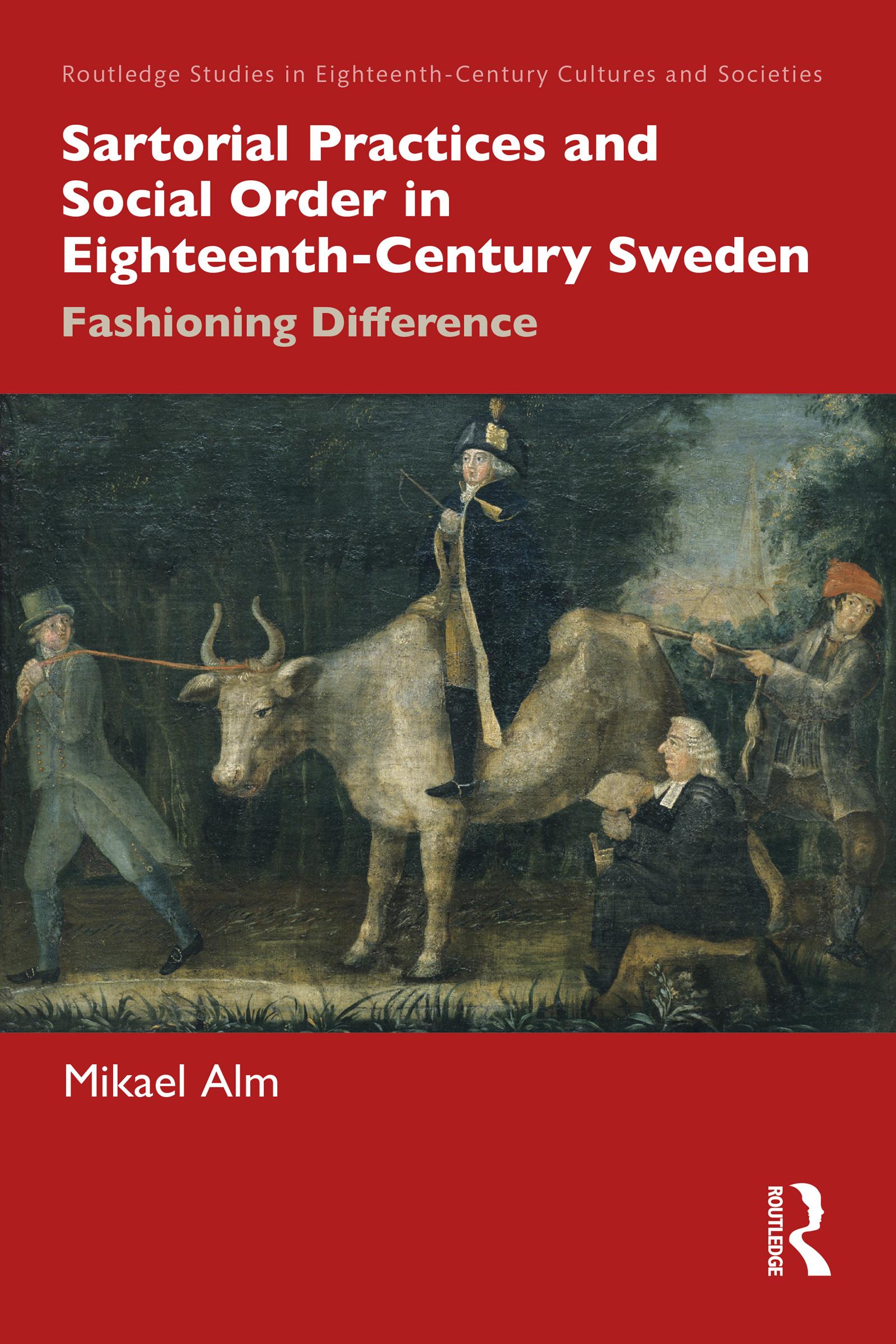
The interplay between clothes and social order in early modern societies is well known. Differences in dress and hierarchies of appearances coincided with and structured social hierarchies and notions of difference. However, clothes did not merely reproduce set social patterns. They were agents of change, actively used by individuals and groups to make claims and transgress formal boundaries. This was not least the case for the revolutionary decades of the late eighteenth century, the period in focus of this book. Unlike previous studies on sumptuary laws and other legal actions taken by governments and formal power holders, this book offers a broader and more everyday perspective on late eighteenth-century sartorial discourse. In 1773, there was a publicly announced prize competition on the advantages and disadvantages of a national dress in Sweden. Departing from the submitted replies, the study opens a window onto the sartorial world. Several fields of cultural history are brought together: social culture in terms of order, hierarchies, and notions of difference; sartorial culture with contemporary views on dress and moral aspects of sartorial practices; and visual culture in terms of sartorial means of making a difference and the emphasis on the necessity of a legible social order.
Betal nemt med kort, Klarna, Apple Pay eller Google Pay. Ikke tilfreds? Du har altid 14 dages fortrydelsesret. Læs mere i vores vilkår. Har du spørgsmål, så send os en mail på hello@memmo.org.
Memmo gør det nemmere at studere – uanset hvor du er i verden. Hos os samler du dine kursusbøger og smarte studieværktøjer ét sted: resuméer, quizzer, podcasts og flashcards. Og så er der Ted, din studieven, der svarer på alt, du undrer dig over. Over 50 000 studerende studerer allerede her – bygget til at hjælpe dig med at lære hurtigere og stresse mindre.